BUSINESS LOAN
How to Choose the Best Location for Your Business
Choosing the best location for your business can have a major impact on visibility, customer...
Learn More


 June 4, 2026
Access to affordable financing can make a significant difference in the growth and stability of a business. Whether you’re launching a startup, expanding operations, purchasing equipment, or managing cash flow, securing a business loan with a lower interest rate can save thousands of dollars over the life of the loan.
Many business owners focus primarily on getting approved, but the interest rate attached to a loan is just as important. A lower rate means lower monthly payments, reduced borrowing costs, and more capital available to reinvest in your business.
In this article, we’ll explore practical strategies that can help you qualify for better loan terms, improve your negotiating position, and increase your chances of obtaining financing at the most competitive rates available.
Interest rates directly affect the total cost of borrowing. Even a small difference in percentage points can have a major impact over several years.
For example, a $100,000 loan with a 7% interest rate will cost substantially less over time than the same loan at 11%.
Lower rates can provide several benefits:
Because of these advantages, business owners should invest time in preparing for the loan process before submitting an application.
Before comparing interest rates, it’s important to understand the different financing products available.
For a deeper understanding of financing products, explore the various business loan options available to growing companies and how they align with different business goals.
Term loans provide a lump sum of money that is repaid over a fixed period.
They are commonly used for:
Because they often have predictable repayment schedules, lenders may offer competitive interest rates to qualified borrowers.
Loans backed by the U.S. Small Business Administration often feature lower rates and longer repayment terms.
These loans typically require more documentation but can provide substantial savings compared to traditional financing.
A line of credit allows businesses to borrow funds as needed up to a predetermined limit.
Interest is charged only on the amount used, making it a flexible financing option.
Businesses purchasing machinery, vehicles, or specialized equipment may qualify for equipment loans, where the equipment itself serves as collateral.
One of the most important factors lenders evaluate is creditworthiness.
Businesses with strong credit profiles typically receive better offers and lower interest rates.
Maintaining excellent financial habits and following proven methods for keeping your credit score in good standing over time can significantly improve your financing options.
Check both personal and business credit reports before applying.
Look for:
Correcting inaccuracies may improve your score before lenders review your application.
Lower debt levels demonstrate responsible financial management.
Whenever possible:
Lenders often view lower debt obligations as a sign of lower risk.
Late payments can negatively impact credit scores and lender confidence.
Establish systems to ensure all obligations are paid on time.
Lenders want evidence that your company can comfortably repay borrowed funds.
Strong financial documentation can help justify lower interest rates.
Stable and predictable revenue streams reduce perceived lending risk.
Focus on:
Businesses with reliable cash flow often receive more favorable financing offers.
Healthy profitability demonstrates operational efficiency.
Review expenses regularly and identify opportunities to reduce unnecessary costs.
Cash flow is one of the most closely reviewed metrics during underwriting.
Consistent positive cash flow signals financial stability and strengthens your loan application.
A well-organized application shows lenders that you’re serious, prepared, and capable of managing financing responsibly.
Businesses that understand what lenders evaluate when reviewing business loan eligibility often position themselves more effectively during the application process.
Most lenders request:
| Document | Purpose |
|---|---|
| Tax Returns | Verify income history |
| Profit & Loss Statements | Measure profitability |
| Balance Sheets | Evaluate financial strength |
| Bank Statements | Assess cash flow |
| Business Licenses | Verify operations |
| Debt Schedules | Review existing obligations |
Providing complete and accurate documentation can accelerate approval and strengthen negotiations.
A detailed business plan demonstrates vision, planning, and operational competence.
Lenders often want to see:
Developing a structured monthly business planning process that tracks growth goals and performance can help showcase your company’s long-term direction.
One of the biggest mistakes business owners make is accepting the first financing offer they receive.
Different lenders use different underwriting models, resulting in significantly different rates.
Banks often provide the lowest rates but may have stricter qualification requirements.
Credit unions may offer competitive rates and more personalized service.
Online lenders typically provide faster approvals and streamlined applications.
While rates may vary, competition among online lenders often creates opportunities for borrowers with strong qualifications.
Some institutions specialize in SBA lending and may provide better guidance throughout the process.
Many business owners don’t realize that loan terms can often be negotiated.
If multiple lenders approve your application, use those offers as leverage.
Lenders may reduce rates or fees to earn your business.
Ask lenders whether improved financial documentation could qualify you for a better rate.
Sometimes updated financials can lead to revised terms.
Additional terms may also affect total borrowing costs.
Consider negotiating:
Relationship banking can provide long-term benefits.
Businesses with established banking relationships may receive:
Keeping operating accounts with a lender helps establish credibility.
Don’t wait until you need financing to interact with your bank.
Periodic communication helps lenders understand your business and future goals.
Banks are more likely to support businesses that consistently demonstrate growth and responsible financial management.
Secured loans generally carry lower interest rates because lenders face less risk.
Common collateral includes:
While collateral can improve loan terms, carefully evaluate the risks before pledging business assets.
Professional guidance can help identify financing opportunities that business owners might overlook.
Seeking expert insight into effective business financing strategies that support growth and cash flow management can improve both approval odds and loan terms.
Financial professionals can assist with:
Their expertise can strengthen your overall application and increase lender confidence.
Avoiding common errors can improve your chances of receiving favorable loan offers.
Incomplete documentation often results in delays and weaker loan terms.
Credit problems rarely disappear on their own.
Address them proactively before applying.
Larger loan amounts can increase lender risk and borrowing costs.
Request only what your business genuinely needs.
Even highly qualified borrowers can overpay when they don’t compare lenders.
Many successful borrowers follow the same important considerations before submitting a business loan application preparation process to improve their chances of approval and better terms.
Before submitting any application:
Taking these steps can position your business as a lower-risk borrower and improve access to competitive rates.
The answer depends on market conditions, lender requirements, loan type, and borrower qualifications. Businesses with strong financials and excellent credit typically qualify for the most competitive rates.
Yes. Many lenders review both personal and business credit scores, especially for small businesses and startups.
In many cases, yes. Businesses with strong financials, multiple offers, or long-standing banking relationships often have room to negotiate.
Focus on improving credit, strengthening financial statements, reducing debt, and preparing a complete loan application.
SBA loans frequently offer competitive rates and longer repayment terms, making them an attractive option for many business owners.
Comparing lenders can help you identify the most favorable combination of interest rates, fees, and repayment terms.
Yes, although established businesses generally receive better rates. Strong revenue, collateral, and credit history can improve a newer company’s financing options.
Securing a lower interest rate on a business loan isn’t simply about finding the right lender. It requires preparation, strong financial management, strategic planning, and effective negotiation.
By improving your credit profile, strengthening your financial statements, preparing comprehensive documentation, comparing lenders, and leveraging professional guidance, you can significantly increase your chances of obtaining financing on favorable terms.
The effort invested before applying often pays for itself through lower borrowing costs, improved cash flow, and greater financial flexibility for your business’s future growth.

Telecom Lead Management: Follow Up Without Losing Sales
Oct 19, 2026

Franchise Law Basics: What Every Owner Should Know
Oct 16, 2026

How Cox Business Products Help Dealers Drive Growth
Oct 15, 2026

7 Reasons to Become a Vivint Authorized Reseller
Oct 14, 2026

Why Become an Internet Provider Dealer? 7 Key Benefits
Oct 13, 2026


8
Oct, 2026
BUSINESS LOAN
Choosing the best location for your business can have a major impact on visibility, customer...

28
Sep, 2026
CREDIT SCORE
A conventional loan is a mortgage that is not part of a specific government loan...
16
Sep, 2026
BUSINESS LOAN
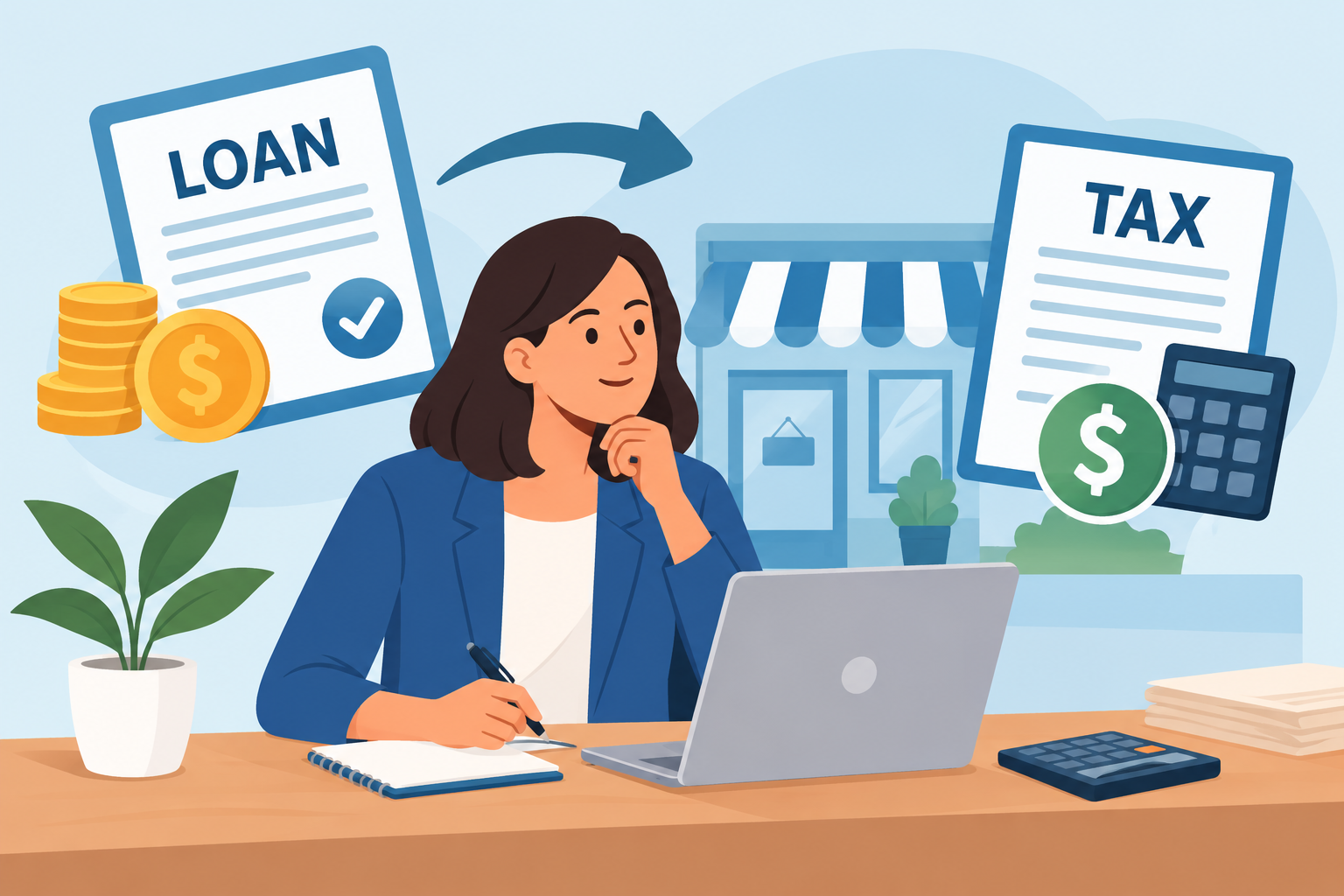
A large tax bill can put pressure on a small business, especially when paying it...