BUSINESS LOAN
How to Choose the Best Location for Your Business
Choosing the best location for your business can have a major impact on visibility, customer...
Learn More


 July 2, 2026
etting rejected for a business loan can feel like a major setback, especially when you’re relying on financing to launch, expand, or stabilize your business. However, a declined application doesn’t necessarily mean your business isn’t qualified—it often means there are areas that need improvement before lenders are willing to approve your request.
The good news is that many successful business owners have experienced loan rejections before eventually securing the financing they needed. Understanding why your application was declined and taking the right corrective steps can significantly improve your chances the next time you apply.
Whether you’re seeking working capital, equipment financing, or startup funding, this guide explains what to do after a business loan rejection and how to prepare a stronger application moving forward.
Before applying again, it’s important to understand why lenders declined your request. Every lender has different approval standards, but most evaluate similar financial and business factors.
Knowing the exact reason behind the rejection helps you focus on improvements instead of submitting another application that may receive the same result.
Some financing products require collateral to reduce the lender’s risk. If the assets you offered weren’t sufficient—or you couldn’t provide collateral at all—the lender may have denied the application.
Not every loan requires collateral, but secured loans generally have stricter asset requirements.
Many traditional lenders prefer businesses that have been operating for at least one to two years.
New businesses naturally carry more risk because they have limited financial history, making approval more difficult through conventional banks.
If your business is still in its early stages, learning how startup businesses secure funding during their first years can help you identify financing options that better match your current situation.
Lenders review your existing debt obligations compared to your income and cash flow.
If your business already carries significant debt or has inconsistent revenue, lenders may worry about your ability to repay additional financing.
Reducing outstanding balances before applying again can strengthen your financial profile.
Credit history remains one of the biggest factors in business loan approvals.
Most lenders review both:
A lower score doesn’t automatically prevent approval, but it may limit your financing options or increase borrowing costs.
One of the biggest mistakes applicants make is immediately applying elsewhere without understanding why they were rejected.
Instead, contact your lender and request specific feedback.
Ask questions such as:
This information gives you a roadmap for strengthening your next application.
Improving your credit profile is one of the fastest ways to increase your approval chances.
Lenders view strong credit as evidence that you manage financial obligations responsibly.
Focus on:
Many small business owners overlook their business credit profile.
Ways to strengthen it include:
Maintaining a strong business credit profile with responsible financial habits can improve future financing opportunities while demonstrating long-term stability.
Lenders rely heavily on financial documentation when evaluating applications.
Before submitting another loan request, review documents such as:
Look for areas that may concern lenders, including:
If possible, work with an accountant to ensure your financial records accurately reflect your business’s performance.
A well-written business plan gives lenders confidence that your company has a clear strategy for growth.
Your plan should explain:
The more confidence lenders have in your ability to generate revenue, the more likely they are to approve financing.
Traditional banks aren’t the only source of business funding.
Depending on your situation, alternative financing may offer better approval odds.
Many online lenders have:
Although interest rates may be higher than traditional banks, they can provide funding much sooner.
Instead of a lump-sum loan, a business line of credit lets you borrow only what you need.
Benefits include:
This option works well for managing seasonal expenses or unexpected costs.
If you’re purchasing machinery or equipment, equipment financing may be easier to qualify for because the equipment itself often serves as collateral.
Businesses with outstanding customer invoices may qualify for invoice financing, allowing them to access cash before invoices are paid.
Companies with consistent credit card sales may qualify for merchant cash advances.
While these provide fast funding, they typically come with higher costs and should be evaluated carefully.
If traditional financing isn’t available, loans backed by the Small Business Administration (SBA) may be worth considering.
Because participating lenders receive government guarantees on qualifying loans, they may approve businesses that otherwise wouldn’t qualify for conventional financing.
Common SBA loan benefits include:
Keep in mind that SBA-backed loans still require applicants to meet credit and financial standards.
Debt financing isn’t your only option.
Some businesses benefit more from equity financing, especially startups with strong growth potential.
Potential investors include:
Unlike loans, investment capital typically doesn’t require monthly repayments, although investors usually receive ownership shares or equity.
Choose this route carefully to ensure expectations are clearly documented.
Sometimes approval isn’t about whether you qualify—it may simply be that you’re requesting too much.
Consider:
Smaller loan amounts generally represent lower risk to lenders.
Submitting multiple loan applications within a short period can negatively affect your credit profile and make lenders cautious.
Instead, take time to strengthen your application by:
Waiting a few months while improving these areas often leads to much stronger approval odds.
Before reapplying, verify that your application includes accurate and complete information.
Double-check:
Incomplete or inconsistent information can delay approval or result in another rejection.
If you’re ready to explore business financing solutions designed for growing companies, preparing a complete and accurate application can make the approval process smoother from the start.
Yes. Most lenders allow you to reapply after addressing the issues that caused the initial rejection. Improving your financial profile before submitting another application increases your chances of approval.
A rejection itself does not lower your credit score. However, the lender’s credit inquiry may have a small temporary impact, particularly if multiple applications are submitted within a short period.
The ideal timeline depends on why you were declined. If you need to improve your credit, increase revenue, or reduce debt, waiting several months may significantly strengthen your application.
Yes, although startups often face stricter requirements. Alternative lenders, SBA-backed financing, and startup-focused funding programs may offer better opportunities than traditional banks.
Applying to several lenders simultaneously can lead to multiple credit inquiries. It’s generally better to identify lenders that match your business profile before submitting applications.
A business loan rejection doesn’t define your company’s future. In many cases, it’s simply an opportunity to strengthen your finances, improve your credit, and refine your business strategy before applying again.
By understanding why your application was declined, improving your financial health, exploring alternative funding options, and submitting a stronger application, you’ll greatly improve your chances of securing the capital your business needs.
Many successful businesses have faced financing setbacks before achieving long-term growth. With preparation, patience, and the right funding strategy, your next loan application can have a much better chance of success.

How to Sell Business Internet Services to Small Businesses
Oct 23, 2026

Telecom Sales Call Quality Assurance: A Practical Guide
Oct 22, 2026

Telecom Dealer KPIs: Metrics That Drive Better Results
Oct 21, 2026

Telecom Sales Scripts That Help Turn Leads Into Sales
Oct 20, 2026

Telecom Lead Management: Follow Up Without Losing Sales
Oct 19, 2026


8
Oct, 2026
BUSINESS LOAN
Choosing the best location for your business can have a major impact on visibility, customer...
16
Sep, 2026
BUSINESS LOAN
A large tax bill can put pressure on a small business, especially when paying it...
15
Jul, 2026
BUSINESS LOAN
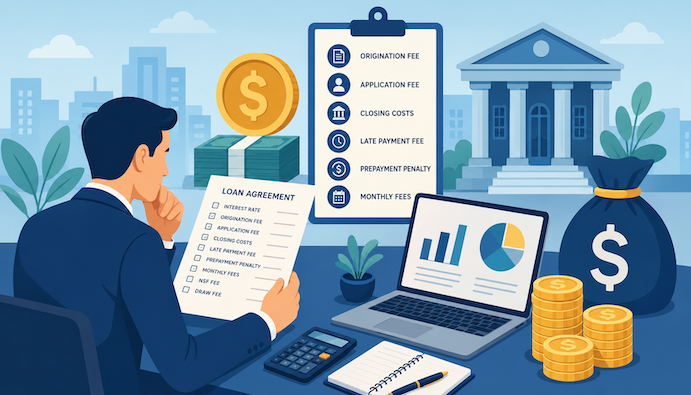
Taking out a business loan can be one of the smartest investments you make for...