BUSINESS LOAN
How to Choose the Best Location for Your Business
Choosing the best location for your business can have a major impact on visibility, customer...
Learn More

 September 16, 2026
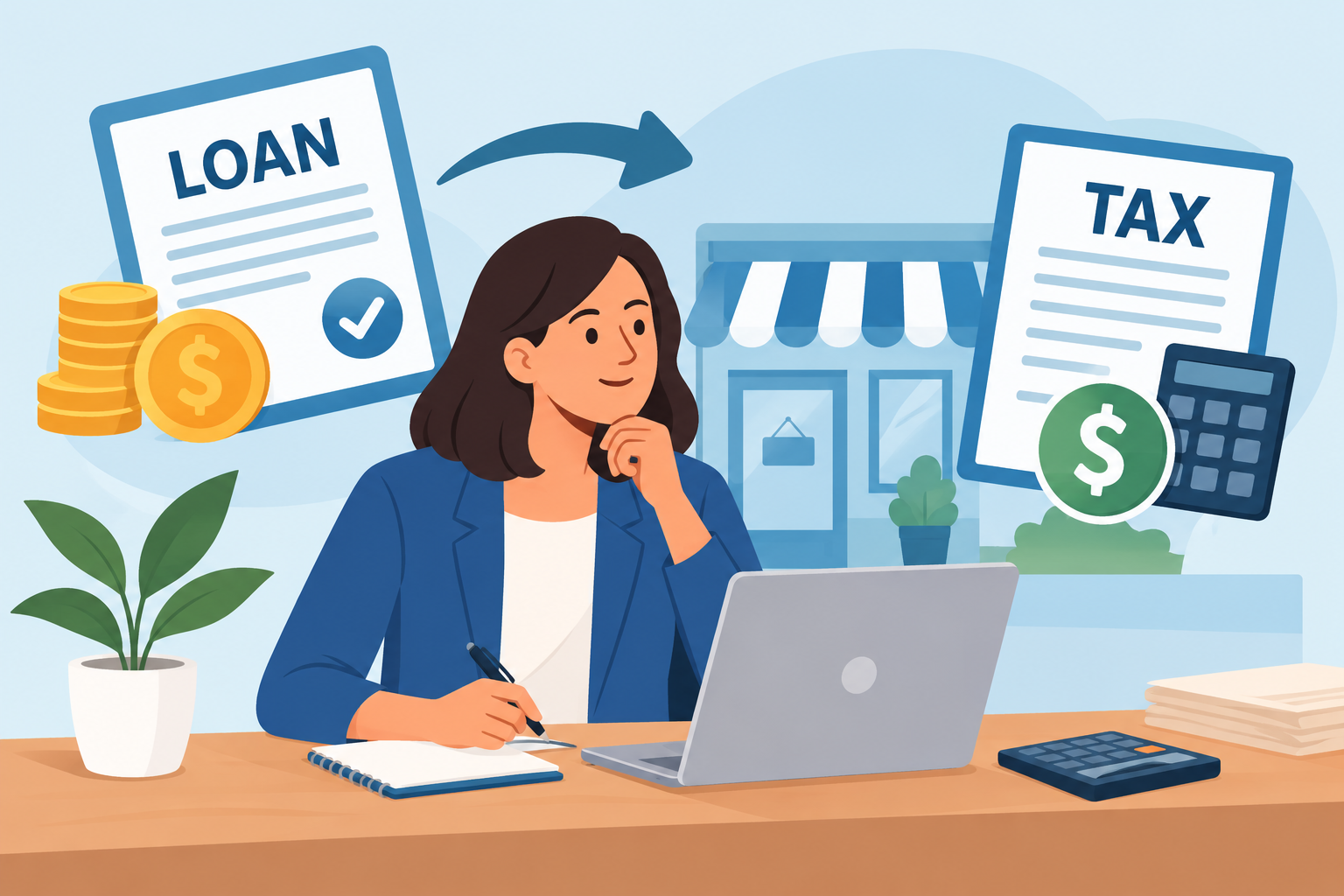
A large tax bill can put pressure on a small business, especially when paying it in full would leave too little cash for payroll, rent, inventory, or other essential expenses. In some situations, a small business loan can help cover a business tax bill while preserving working capital.
However, borrowing is not the only option. Businesses may also have payment plans and other tax-debt solutions available. Before taking out a loan, compare the total cost of financing with the interest and penalties that could accrue on an unpaid tax balance.
The right approach depends on the size of your tax liability, your cash flow, your credit profile, and the terms available from lenders. This guide explains how business financing can be used to manage a tax bill and what to consider before choosing this option.
A business loan can provide the cash needed to pay a tax bill without immediately using all of the money in your operating account.
For a business with predictable revenue but a temporary cash shortage, financing may help preserve funds for essential expenses such as:
Payroll
Rent and utilities
Inventory
Equipment
Supplier payments
Marketing and other operating expenses
The key is to compare the total cost of the loan with the cost of leaving the tax balance unpaid.
Interest can accrue on unpaid tax balances, and penalties may also apply when taxes are not paid on time. The longer an unpaid balance remains outstanding, the more expensive it can become.
That does not automatically mean a loan is cheaper. You should compare the loan’s interest rate, origination fees, repayment schedule, and other costs against the potential cost of carrying the tax debt.
Failing to pay a tax bill can create additional costs and collection problems. Interest and penalties may increase the amount your business ultimately has to pay.
If you cannot pay the full amount by the deadline, don’t simply ignore the balance. Payment plans and other tax-debt solutions may be available depending on your circumstances.
Interest generally applies when a tax liability is not paid by its due date. Interest can continue to accumulate until the balance is paid or otherwise resolved.
This makes the timing of a tax payment important. The longer an unpaid balance remains outstanding, the more interest can accumulate.
Interest is not the only potential cost. Penalties may also apply when taxes are not paid on time.
Some penalties can continue to accrue until the balance is paid or another arrangement is established. Paying as much as possible by the deadline may help reduce the amount remaining subject to additional charges.
A federal tax lien is the government’s legal claim against a taxpayer’s property when a tax debt remains unpaid after the required notice and demand for payment.
A tax lien can affect business property and may make obtaining credit more difficult. It can also create complications when a business is trying to sell assets or secure additional financing.
This is one reason businesses should address tax debt promptly rather than allowing an unpaid balance to remain unresolved.
Yes. A business may be able to use financing to obtain the funds needed to pay a tax liability, provided the loan’s terms and lender requirements allow the use of funds for that purpose.
Possible financing sources can include:
Traditional business loans
Alternative business lenders
Business lines of credit
Other financing products available to qualified businesses
For businesses considering alternative financing, alternative lenders may provide additional options to investigate.
Before accepting an offer, look beyond the advertised interest rate. Review the full cost of borrowing, repayment frequency, loan term, fees, collateral requirements, and whether the expected payment fits comfortably within your business cash flow.
A loan may be worth considering when paying the tax bill immediately would create a serious short-term cash-flow problem and the financing terms are manageable.
It can be particularly important to evaluate financing when using operating cash to pay taxes would leave the business unable to cover necessary expenses.
Ask yourself:
How much do I owe?
Determine the exact tax balance, including any penalties or interest already assessed.
How much cash does the business need for operations?
Make sure paying the tax bill will not create another immediate financial problem.
What will the loan actually cost?
Calculate interest, origination fees, administrative fees, and any other charges.
Can the business comfortably make the payments?
A tax loan only helps if the repayment schedule is realistic for the company’s cash flow.
Are there lower-cost alternatives?
Compare financing with available payment plans and other tax-debt options.
A business loan is not the only way to deal with an unaffordable tax bill. Depending on the circumstances, businesses may have access to payment plans or other arrangements that allow them to resolve their tax liability over time.
If you cannot pay the full balance immediately, consider paying as much as possible and reviewing the payment options available to your business.
Some businesses may qualify for a short-term arrangement that provides additional time to pay the balance.
A short-term arrangement can be useful when a business expects to have enough cash to eliminate the tax debt within a relatively short period.
Interest and applicable penalties may continue to accrue until the balance is paid, so calculate the total expected cost before choosing this option.
Businesses that cannot pay their tax liability within a short period may qualify for a longer-term installment arrangement.
A longer repayment period can make individual payments more manageable, but interest and applicable penalties may continue to accumulate while the balance remains outstanding.
Compare the total expected cost and payment schedule with the cost of business financing.
There is no universal answer as to whether a business loan or a tax payment plan will cost less. The answer depends on your specific balance, loan terms, tax circumstances, and ability to repay.
| Consideration | Business Loan | Tax Payment Plan |
|---|---|---|
| Source of funds | Commercial lender | Tax authority |
| Repayment | Based on the loan agreement | Based on approved payment terms |
| Interest | Depends on lender and loan terms | Interest may continue to apply |
| Fees | May include lender fees | Some payment plans may have setup fees |
| Credit requirements | May require credit and financial review | Based on applicable eligibility requirements |
| Effect on cash flow | Adds scheduled loan payments | Adds scheduled tax payments |
| Collateral | May be required depending on the loan | Generally not structured as a traditional secured loan |
| Flexibility | Depends on the lender and financing product | Depends on the approved arrangement |
| Total cost | Depends on interest and fees | Depends on interest, penalties, and applicable fees |
The most important comparison is the total financial cost and risk, not simply the interest rate shown in an advertisement.
Before accepting financing, review the complete agreement and make sure the repayment obligation fits your business.
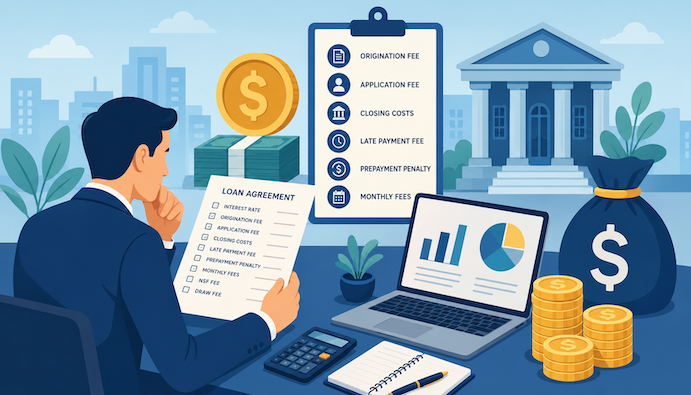
Do not compare loans based only on the stated interest rate.
Consider:
Interest charges
Origination fees
Application or processing fees
Prepayment terms
Late payment charges
Collateral requirements
Personal guarantees
Total repayment amount
Then compare that figure with the projected cost of leaving the tax balance unpaid or using an available payment plan.
A loan can solve an immediate tax problem but create another problem if monthly payments are too large.
Review your expected revenue and recurring expenses before borrowing. The goal should be to maintain enough working capital to operate the business while making the required loan payments.
Different lenders impose different restrictions on how borrowed funds can be used. Confirm that the financing agreement permits the proceeds to be used for the intended tax payment.
Tax rules can vary based on the type of tax, business structure, filing status, and individual circumstances.
An accountant or qualified tax professional can help you understand your outstanding liability and compare available payment or financing options.
The decision should be based on your actual numbers rather than a general rule.
A business loan may be worth evaluating when:
You have sufficient revenue to repay the financing.
The loan’s total cost is reasonable compared with the alternatives.
Paying the tax bill immediately would seriously reduce working capital.
You need to preserve cash for essential operating expenses.
You qualify for financing with manageable repayment terms.
A tax payment plan may be worth evaluating when:
You cannot pay the full balance immediately.
You qualify for an appropriate payment arrangement.
The payment schedule fits your cash flow.
The cost and conditions compare favorably with available financing.
Other tax-debt options may also be available depending on the business’s circumstances.
The right approach starts with determining exactly how much you owe and understanding your available options before the balance becomes more expensive.
A practical process is:
Confirm the tax liability.
Check the payment deadline.
Determine how much the business can pay immediately.
Calculate how much cash must remain available for operations.
Review available tax payment options.
Compare qualified financing offers.
Calculate the total cost of each option.
Choose a repayment approach the business can realistically sustain.
If you use financing, make sure the loan addresses the tax obligation without creating an unsustainable new debt burden.
Yes. A business may be able to use eligible financing to cover a tax liability. The lender’s requirements and permitted use of funds vary, so confirm the terms before accepting a loan.
It depends on the business’s circumstances. Compare the loan’s total cost and repayment terms with the interest, penalties, fees, and conditions associated with the available payment plan.
Generally, interest can apply to unpaid tax liabilities and may continue until the balance is paid or otherwise resolved.
Yes. Paying part of a tax balance can reduce the amount that remains outstanding. If you cannot pay the full amount, determine how much you can pay and review available payment arrangements.
They can. A federal tax lien can arise when a tax debt remains unpaid after the required assessment and notice process. A lien can affect business property and may make obtaining credit more difficult.
The available timeframe depends on the payment arrangement and the business’s circumstances. Some arrangements provide short-term payment periods, while qualifying businesses may be able to establish longer-term installment arrangements.
Not necessarily. First determine how much you owe, how much cash the business can contribute, whether a payment arrangement is available, and what financing would actually cost. Borrowing should be based on a comparison of the available options.
Do not ignore the balance. Pay what you can and review available payment plans or other tax-debt options. You can also compare those options with business financing if borrowing is appropriate for your situation.
A large business tax bill does not necessarily mean you need to drain your operating account or leave the balance unpaid. A small business loan can be one potential way to obtain the cash needed to meet a tax obligation while preserving working capital.
However, financing should be compared carefully with payment plans and other available options. Consider the total cost, repayment schedule, cash-flow impact, and potential consequences of each approach before making a decision.
If you are considering business financing, exploring options from alternative lenders can be one part of the comparison. For tax-specific questions, work with a qualified tax professional and review current tax requirements to confirm the options available to your business.
Telecom Lead Management: Follow Up Without Losing Sales
Oct 19, 2026
Franchise Law Basics: What Every Owner Should Know
Oct 16, 2026

How Cox Business Products Help Dealers Drive Growth
Oct 15, 2026

7 Reasons to Become a Vivint Authorized Reseller
Oct 14, 2026

Why Become an Internet Provider Dealer? 7 Key Benefits
Oct 13, 2026


8
Oct, 2026
BUSINESS LOAN
Choosing the best location for your business can have a major impact on visibility, customer...
15
Jul, 2026
BUSINESS LOAN
Taking out a business loan can be one of the smartest investments you make for...
7
Jul, 2026
BUSINESS LOAN
Choosing the right equipment is one of the biggest financial decisions a business owner can...