BUSINESS IDEAS
How to Boost Consumer Conversion, Acquisition, and Retention
Turning potential customers into loyal buyers takes more than a great product or an effective...
Learn More

 September 7, 2026
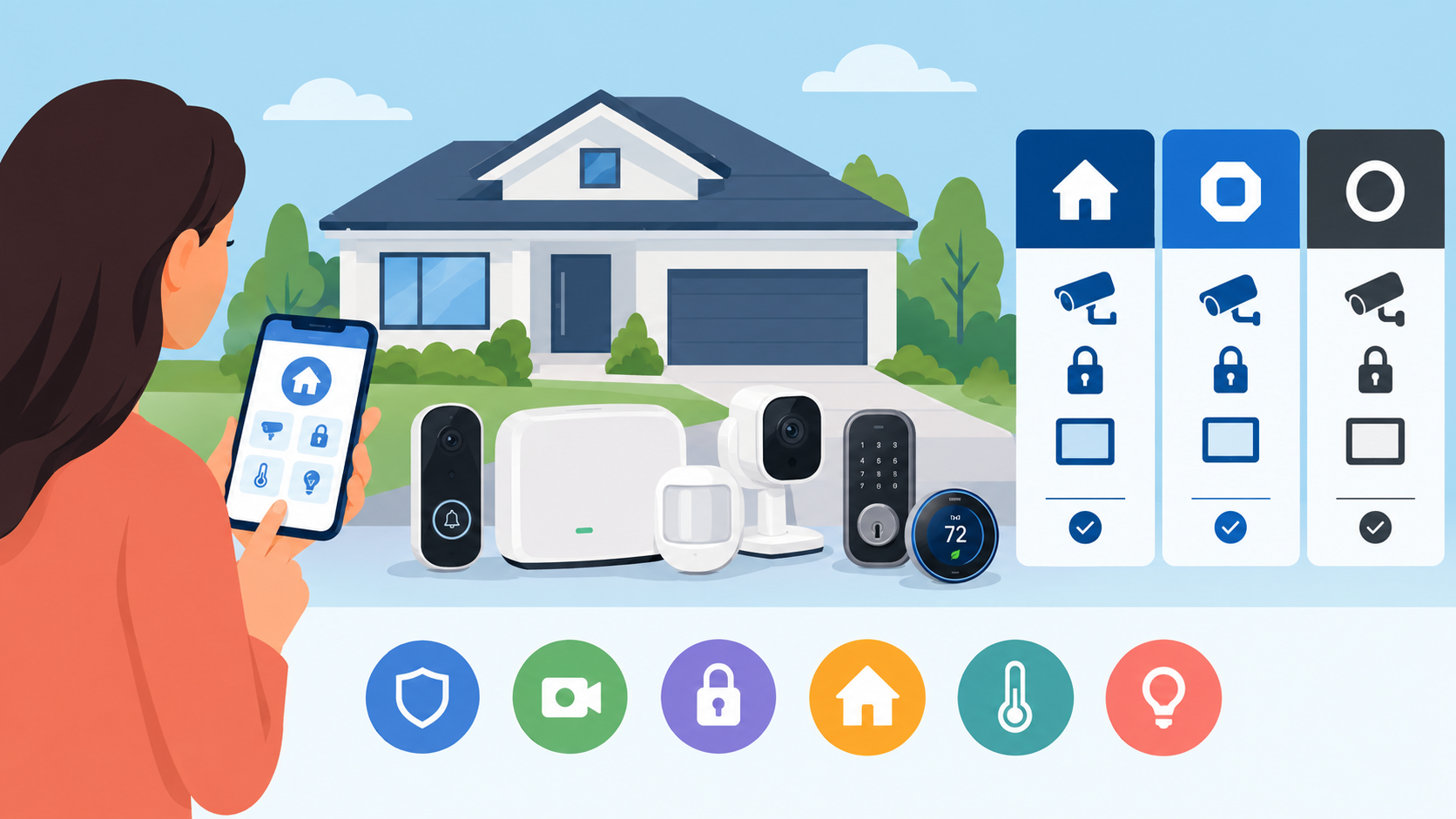
Choosing the right home security system is about more than installing a few cameras or sensors. Homeowners today want reliable protection, smart technology, easy remote access, and a system that fits their budget and lifestyle. With so many providers competing for attention, comparing features, monitoring options, equipment, and overall value is essential before making a decision.
One provider that continues to attract attention is Vivint home security. Known for its smart home technology, professional monitoring, connected devices, and integrated mobile experience, Vivint takes a more comprehensive approach than basic DIY security systems.
But how does Vivint compare with other popular home security providers? The answer depends on what you value most. Some homeowners prioritize advanced automation and professional monitoring, while others prefer lower costs, simple installation, or the flexibility of self-monitoring.
This comparison looks at Vivint’s technology, app experience, customizable equipment, smart locks, pricing considerations, customer support, and how it compares with providers such as ADT and Ring.
Vivint takes a smart-home-first approach to residential security. Rather than treating cameras, alarms, locks, thermostats, and other devices as separate products, the system is designed to connect them through one centralized platform.
This can make a significant difference for homeowners who want security and home automation to work together. Instead of switching between multiple applications, users can manage compatible devices through a unified experience.
Vivint also places considerable emphasis on professionally installed and professionally monitored security. That approach is different from many DIY-focused systems where homeowners purchase equipment, install it themselves, and decide whether they want professional monitoring.
The right approach ultimately comes down to how much control, convenience, and professional assistance you want from your security provider.
A major part of the Vivint experience is its mobile app. The Vivint Smart Home App is designed to bring connected security and smart home controls together in one place.
Depending on the equipment installed, homeowners can use the app to manage security settings, monitor cameras, receive alerts, and interact with connected smart home devices remotely.
For example, you may be able to check a camera feed while away from home, adjust connected devices, or receive notifications about activity at your property.
A home security system becomes more useful when homeowners can interact with it from virtually anywhere. Remote access can be particularly helpful when you’re traveling, at work, or simply away from the house for the day.
Instead of relying solely on a traditional alarm panel, a connected mobile platform gives homeowners greater visibility into what is happening around their property.
The benefit isn’t just convenience. Centralizing security and automation can also make everyday routines easier by allowing multiple devices to work together.
Every property has different security requirements. A small apartment, suburban house, and large multi-level property may require very different equipment.
Vivint addresses this with customizable equipment and service configurations. Rather than selecting a single standardized package and accepting equipment you may not need, homeowners can build a system around their property’s layout and security priorities.
A typical system may include devices such as:
The right Vivint security package depends on the size of your home, entry points, outdoor areas, household routines, and how much smart home automation you want to incorporate.
Before comparing packages, consider where security gaps actually exist.
A home with several exterior doors may benefit from additional entry sensors and smart locks. A property with a large backyard may require outdoor camera coverage. Meanwhile, a smaller residence might need fewer devices but still benefit from professional monitoring and mobile alerts.
Starting with your property’s needs makes it easier to compare systems based on value rather than simply counting devices.
Traditional locks provide basic physical security, but smart locks can give homeowners greater control over who can enter the property.
Vivint’s smart lock technology for connected home access can be integrated into the broader security environment. Depending on the configuration, homeowners can manage access electronically and receive notifications related to activity.
This can be useful for families, property owners, and anyone who regularly needs to provide access to other people.
For example, you may want to give a trusted person access without handing over a physical key. Smart access can also make it easier to monitor when someone enters or leaves the home.
When smart locks are connected with cameras, sensors, and alerts, they become part of a larger security strategy rather than functioning as an isolated device.
Price is one of the most important factors when comparing home security systems. However, looking only at the advertised monthly price can give you an incomplete picture.
The total cost of a security system can involve equipment, installation, monitoring, financing, optional services, and contract terms. These factors can vary depending on the system and service agreement.
The equipment you choose will influence the overall cost. A basic setup with a few sensors will generally require less equipment than a comprehensive system with multiple cameras, smart locks, and automation devices.
If equipment is financed rather than purchased outright, monthly payments may also become part of the overall cost.
Always review the terms carefully so you understand whether equipment is purchased, financed, leased, or subject to other conditions.
Professional monitoring is another major consideration.
With professional monitoring, trained personnel can respond to alarm signals and follow the provider’s established emergency response procedures. This can be valuable for homeowners who don’t want the responsibility of monitoring every alert themselves.
Self-monitoring, on the other hand, generally places more responsibility on the homeowner. It may cost less, but the homeowner must be available to respond to notifications and determine what action is necessary.
The monthly price is only one part of the financial commitment.
Before signing up, look closely at the contract length, equipment financing terms, cancellation policies, installation costs, and any other recurring charges.
A system with a lower monthly price isn’t necessarily the better value if it doesn’t provide the features or support you actually need.
Technology is one of the areas where Vivint aims to differentiate itself from simpler home security solutions.
A connected security system can combine cameras, sensors, locks, thermostats, alarms, and other compatible devices into one ecosystem.
Modern security cameras can do more than record video. Depending on the equipment and available features, intelligent detection can help identify specific types of activity and make alerts more useful.
For homeowners, this can help reduce the number of unnecessary notifications generated by ordinary movement, pets, or other routine activity.
The goal is to make security alerts more actionable rather than simply sending a notification every time something moves.
Vivint’s broader appeal comes from combining security with home automation.
Imagine arriving home and having your security system recognize that the property is being occupied while connected smart devices adjust according to your preferences. Or consider being able to check the front door, adjust the thermostat, and manage security settings remotely.
These capabilities can turn a security system into a broader home management platform.
For homeowners who already use connected devices, this type of integration may be more valuable than purchasing standalone security equipment.
ADT is one of the most established names in the home security industry. Its long history and professional monitoring infrastructure make it a strong competitor for homeowners who prioritize experience and traditional professionally monitored security.
ADT and Vivint both appeal to customers who want more than a basic do-it-yourself alarm system. However, their product offerings, equipment options, service structures, pricing, and technology ecosystems can differ.
When comparing the two, look beyond brand recognition.
Consider:
For someone who wants a highly integrated smart home environment, Vivint may be particularly attractive. Someone who places greater emphasis on ADT’s established security infrastructure may prefer its approach.
The best choice depends on which features matter most to your household.
Ring represents a different approach to home security.
The Ring Alarm system is known for its DIY-friendly approach, allowing homeowners to install equipment themselves and build a system around their needs.
This can make Ring appealing to people who want a simpler setup, lower initial complexity, and greater control over their equipment.
Ring can be attractive for homeowners who prioritize flexibility and straightforward installation.
DIY installation can also appeal to renters or people who don’t want to schedule professional installation. Depending on the chosen equipment and services, users can also take a self-monitoring approach.
Vivint is more focused on a fully integrated security and smart home experience with professional installation and monitoring options.
That difference matters.
A homeowner who wants to install cameras and sensors independently may prefer Ring. Someone who wants a more comprehensive system with professional support may find Vivint more appealing.
Neither approach is automatically better. They simply serve different priorities.
One of the biggest decisions you’ll make when comparing home security providers is whether you want professional monitoring.
Professional monitoring provides an additional layer between your home’s alarm system and emergency response procedures.
If an alarm event occurs, the monitoring provider can follow established protocols to assess the signal and contact the appropriate parties when necessary.
This can be particularly useful for people who travel frequently, work long hours, or simply want someone else monitoring the system.
Self-monitoring gives the homeowner more direct control and can reduce ongoing service costs.
However, it also means you need to pay attention to alerts and be available to respond when something happens.
If your phone is unavailable, you’re asleep, traveling, or unable to respond, a self-monitored system may not provide the same level of support as professional monitoring.
When comparing Vivint with DIY providers, this difference should be part of the decision—not an afterthought.
Rather than choosing a provider based solely on advertising or brand popularity, evaluate each system according to your actual needs.
Start with the basics. How many doors and windows need sensors? Do you need indoor or outdoor cameras? Are there areas of the property that are difficult to monitor?
A system should provide meaningful coverage rather than simply offering a large number of devices.
If you want security and automation in one system, compare compatibility with smart locks, thermostats, lights, cameras, and other connected devices.
Integration can be particularly useful when multiple functions can be managed from the same platform.
Decide whether you want professional monitoring or are comfortable responding to alerts yourself.
This choice can have a major effect on both cost and convenience.
Some systems are designed primarily for DIY installation, while others rely more heavily on professional installation.
Consider your technical comfort level, the size of your property, and whether you want someone to configure the system for you.
Compare the complete financial commitment instead of focusing on one advertised price.
Look at equipment, installation, monthly monitoring, financing, contracts, and cancellation terms.
A good mobile experience can make everyday security management much easier.
Check whether the app provides the controls and notifications you actually expect to use.
Vivint can be a strong option for homeowners who want security, automation, cameras, smart access, and professional monitoring to work together as one system.
Its biggest appeal isn’t necessarily a single feature. It’s the way different components can work within a connected smart home ecosystem.
However, that comprehensive approach may not be necessary for everyone.
If your main goal is a basic camera and alarm system, a simpler DIY provider may be more practical. If you want extensive smart home integration and professional support, a more comprehensive provider may justify the additional investment.
The right choice depends on your property, budget, preferred level of involvement, and expectations for smart home technology.
Before making a final decision, make a simple comparison of your top choices.
Write down the equipment you need, the services you want, and the maximum amount you’re comfortable spending each month.
Then compare providers based on the same criteria.
Don’t compare one company’s basic package with another company’s premium package. Make sure you’re evaluating systems with similar equipment and monitoring capabilities.
It’s also worth reviewing the contract before committing. Pay attention to the length of the agreement, equipment ownership, financing, cancellation requirements, warranty coverage, and recurring charges.
Taking a little extra time at this stage can prevent surprises later.
Vivint can be a strong choice for homeowners who want integrated smart home technology, professional installation, and monitoring. However, it isn’t automatically better for every household. DIY systems may be more suitable for people who prioritize flexibility and lower complexity.
Vivint and Ring use different approaches, so comparing only monthly prices can be misleading. Vivint generally emphasizes a more comprehensive professionally supported security experience, while Ring offers more DIY-oriented flexibility. Compare equipment, monitoring, installation, and contract costs together.
Vivint’s service model is centered around professional monitoring, but available options and requirements can depend on the current service and equipment configuration. Review the specific terms of the plan you’re considering before signing up.
Yes. Vivint is designed to integrate home security with compatible smart home devices, allowing homeowners to manage multiple functions through its connected platform.
It depends on your situation. Professional monitoring can provide additional support when you’re unavailable to respond to an alarm. Self-monitoring may be sufficient for homeowners who prefer to manage alerts themselves.
Compare equipment coverage, cameras, smart home compatibility, monitoring, installation, mobile app functionality, monthly costs, contract terms, equipment ownership, and customer support. Looking at the complete package provides a much better picture of overall value.
Comparing Vivint with other home security systems isn’t simply about finding the cheapest option. The better question is whether a provider’s features, technology, monitoring, and service model match the way you want to protect and manage your home.
Vivint stands out for its emphasis on connected security and smart home automation. Its combination of cameras, sensors, smart locks, mobile controls, and professional monitoring can appeal to homeowners who want a more complete security ecosystem.
ADT remains an established option for customers interested in professionally monitored home security, while Ring offers a more DIY-oriented alternative for homeowners who value simplicity and flexibility.
Before choosing, compare the complete cost and service terms of each provider. Think about how much technology you actually need, whether you want professional monitoring, and how much responsibility you want to take on yourself.
A good home security system should provide more than impressive specifications. It should be reliable, practical, easy to manage, and appropriate for your home and lifestyle.
Telecom Sales Call Quality Assurance: A Practical Guide
Oct 22, 2026
Telecom Dealer KPIs: Metrics That Drive Better Results
Oct 21, 2026

Telecom Sales Scripts That Help Turn Leads Into Sales
Oct 20, 2026
Telecom Lead Management: Follow Up Without Losing Sales
Oct 19, 2026

Franchise Law Basics: What Every Owner Should Know
Oct 16, 2026


9
Oct, 2026
BUSINESS IDEAS
Turning potential customers into loyal buyers takes more than a great product or an effective...

19
Aug, 2026
HOME SECURITY
Customer lifetime value telecom dealer performance depends on one core metric — CLV — the...
18
Aug, 2026
HOME SECURITY
Rural broadband opportunities are among the most underpenetrated in telecommunications, with millions of households and...