DIALER
Why Telecom Sales Get Rejected and How to Fix Them
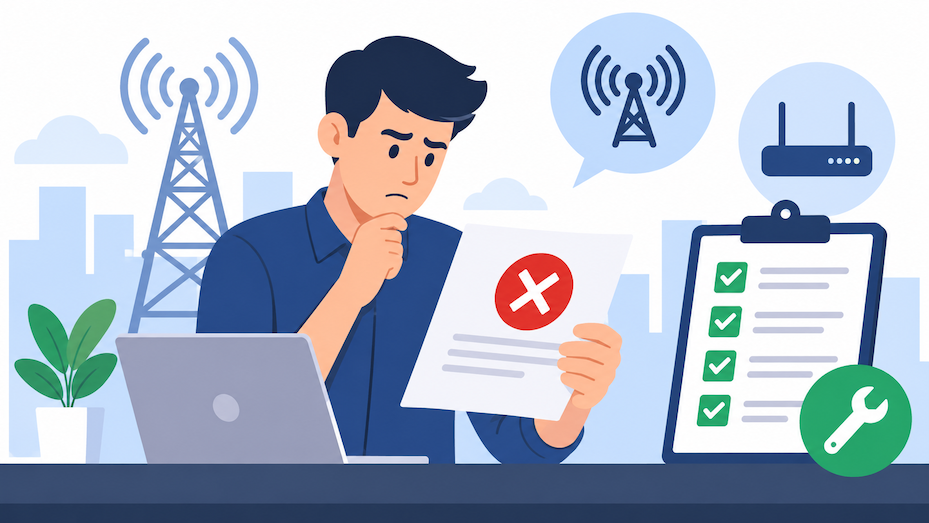
Telecom sales can be rejected even when a customer is genuinely interested and ready to...
Learn More


 November 10, 2026
Becoming an authorized telecom dealer gives entrepreneurs and established businesses an opportunity to sell telecommunications services through recognized providers. However, getting approved requires more than submitting an application. You need to demonstrate that your business is legitimate, understand the products you plan to sell, and have a realistic strategy for reaching customers.
If you’re researching how to become an authorized telecom dealer, understanding the application process can help you prepare the right information, avoid common mistakes, and move toward approval with greater confidence.
Whether you’re starting a new business or expanding an existing company, this guide explains what to prepare, what dealer programs may evaluate, and how to improve your application.
An authorized telecom dealer is a business or individual approved to market and sell telecommunications products or services under an agreement with a provider or authorized distribution partner. These services may include internet, cable television, mobile plans, business connectivity, and home security.
Instead of building telecommunications infrastructure or operating as a service provider, authorized dealers focus on customer acquisition, sales, and service coordination.
Depending on the dealer program, authorized representatives may receive access to:
For businesses looking to enter the telecommunications industry, becoming an authorized dealer can provide access to established products without the expense of building an independent telecommunications network.
Requirements vary depending on the provider, distribution partner, products offered, and location. Most dealer programs want to understand your business identity, operational capabilities, sales experience, and plans for marketing telecommunications services.
Although there is no universal approval checklist for every telecom provider, preparing the following information can help you complete an application accurately.
A legitimate business structure helps demonstrate that you’re approaching the dealership opportunity professionally. Some programs may accept established businesses, while others may consider entrepreneurs preparing to launch a new operation.
Be ready to explain:
If your business is already operating, make sure the information you provide is consistent across your business records and application.
If you’re still establishing your company, ask the dealership program which business registration requirements apply before submitting your application.
Accurate business information makes it easier for a dealership program to understand who is applying and how the business operates.
Depending on the program, you may be asked to provide:
Not every program requires all these documents at the initial application stage. Some information may only be requested after preliminary review.
Keep digital copies of relevant documents organized and make sure they are current, readable, and consistent with the details on your application.
Dealer programs may offer different telecommunications products, and applicants should understand which services fit their business goals.
For example, you might be interested in selling:
You don’t necessarily need to offer every product. However, knowing your preferred services helps the program understand your intended market and potential business direction.
Research the available opportunities and identify which products align with your customers, existing business activities, and sales capabilities.
Telecommunications providers and dealership programs need partners who can generate customer interest and represent their products professionally.
Previous telecom experience can be helpful, but experience in retail, business development, customer service, digital marketing, or direct sales can also demonstrate relevant capabilities.
Be prepared to explain how you intend to find customers and generate sales.
Examples include:
You should also be able to explain how your business plans to handle customer inquiries, follow-ups, and sales activities.
The approval process generally involves researching a dealership opportunity, submitting business information, undergoing an application review, and completing any required verification or onboarding steps. The exact process and timeline depend on the dealership program and its provider relationships.
Here is a practical step-by-step approach.
Start by identifying dealership programs that offer products relevant to your target market.
Compare potential opportunities based on:
| Evaluation Factor | What to Consider |
|---|---|
| Provider partnerships | Which telecommunications brands and services are available? |
| Product selection | Can you sell residential, business, internet, mobile, or security products? |
| Commission structure | How are eligible sales compensated? |
| Training | What product and sales training is provided? |
| Marketing support | Are promotional resources or marketing assistance available? |
| Technology | What ordering systems and sales tools can dealers access? |
| Support | Who handles questions, escalations, and onboarding? |
Don’t choose a program based solely on the number of providers it advertises. Consider whether its products, support, and business model fit your actual sales strategy.
For additional guidance, read JNA’s article about what to consider when becoming an authorized dealer.
Before completing an application, review the information requested by the dealership program.
Some applications ask for more than basic contact details. They may request information about your business, industry, marketing activities, existing product offerings, and previous dealership experience.
Prepare your answers in advance so you can provide accurate and complete information.
Pay particular attention to:
Answer every question honestly. If you don’t have previous telecom experience, explain the relevant experience you do have and how you intend to develop your sales operation.
Once your information is ready, complete the official application form.
Check the following details before submission:
Small inconsistencies can create unnecessary questions during the review process. Taking a few extra minutes to check your application can help prevent avoidable delays.
After submitting your application, the dealership program may contact you to clarify information or request additional documentation.
This is an important stage because an incomplete response can slow down the review process.
If the program requests additional information:
If you are unsure what a particular requirement means, ask the program representative for clarification instead of guessing.
Once your application has been reviewed and accepted, the next stage typically involves completing the applicable dealer agreements, verification requirements, and onboarding procedures.
Depending on the program, onboarding may include:
Approval does not automatically mean every provider or product is available immediately. Some services may require separate provider authorization, additional documentation, or program-specific activation.
Make sure you understand which services you are approved to sell before advertising or accepting customer orders.
A strong application provides a clear picture of your business, its capabilities, and its plans for selling telecommunications services. However, approval decisions ultimately depend on the dealership program’s policies and applicable provider requirements.
Here are several factors that may influence an application review.
Dealership programs need to understand who they are entering into a business relationship with.
Incomplete business information, inconsistent registration details, or unclear ownership information may lead to additional verification requests.
Make sure your business records and application details are accurate and up to date.
An applicant who can explain how the business will generate leads, communicate with customers, and manage sales demonstrates a practical understanding of dealership operations.
You don’t necessarily need a large sales team. What matters is presenting a realistic plan for handling customer inquiries and managing business activities.
Your marketing strategy helps explain how you intend to generate demand for the services you want to sell.
For example, an existing retailer may rely on walk-in traffic and customer referrals, while an online business may use SEO, social media, and paid advertising.
Explain which channels you plan to use and how they connect to your target customers.
Telecommunications sales involve customer information, service agreements, pricing, and provider-specific policies.
A dealership program may want to understand whether your business can follow applicable rules and maintain responsible sales practices.
Review JNA’s guide to compliance basics every telecom dealer should understand to learn more about the responsibilities involved in operating a telecom dealership.
Telecom dealer applications may be delayed or declined when information is incomplete, business details cannot be verified, or an applicant does not meet the program’s requirements. Understanding these potential issues before applying can help you prepare a stronger submission.
Common problems include:
| Common Issue | Why It Can Cause Problems | How to Avoid It |
|---|---|---|
| Incomplete application | Reviewers may not have enough information to evaluate the business. | Complete all required fields. |
| Incorrect business details | Information may not match available business records. | Verify names, addresses, and registration details. |
| Missing documents | Additional verification may be necessary. | Prepare requested documents in advance. |
| Unclear sales strategy | The program may not understand how you plan to generate business. | Explain your target market and marketing channels. |
| Unresponsive applicant | Outstanding questions can delay the review. | Monitor your email and respond promptly. |
| Misunderstanding program requirements | The applicant may not meet specific eligibility conditions. | Ask questions before submitting. |
One important distinction is that application approval and individual customer order approval are separate processes. A dealer may receive authorization but still need to follow provider-specific requirements when submitting customer orders.
For more information about sales-related problems, see JNA’s guide on why telecom sales get rejected and how to fix them.
There is no universal approval timeline for becoming an authorized telecom dealer. Processing time depends on the program, application completeness, verification requirements, provider authorization, and any additional onboarding steps.
Some applications may move through preliminary review relatively quickly, while others require additional documentation or clarification.
To help avoid unnecessary delays:
When contacting the dealership program, ask whether your application is still under review, whether any documents are outstanding, and what steps remain before activation.
Avoid assuming that submitting an application guarantees approval or that every applicant will receive authorization within the same timeframe.
Getting approved is only the beginning. After receiving authorization, focus on learning the products, understanding provider requirements, establishing a repeatable sales process, and building a consistent customer acquisition strategy.
Consider prioritizing these activities:
Understand the services you are authorized to sell, including eligibility requirements, pricing, available promotions, and ordering procedures.
Accurate product knowledge helps you recommend appropriate solutions and communicate expectations clearly.
Choose marketing channels that match your audience and available resources.
A combination of website optimization, paid advertising, referrals, and local business relationships can help create a steady flow of potential customers.
Create a simple system for tracking inquiries, following up with prospects, and monitoring completed activations.
Documenting your sales process makes it easier to identify problems and improve conversion rates.
Track important metrics such as:
These numbers help you understand which products and marketing channels contribute most to your business.
For a more detailed operational roadmap, explore JNA’s Dealer Success Guide.
Not necessarily. Business structure requirements vary between dealership programs and providers. Some may accept different registered business structures, while others have specific legal entity requirements. Confirm the applicable requirements before submitting your application.
Yes, some dealership programs consider applicants without previous telecommunications experience. Relevant experience in sales, retail, customer service, or business management can demonstrate transferable skills. Training may help new dealers understand products and sales procedures.
Not every program requires a traditional storefront. Some dealership models allow businesses to operate remotely or use existing business locations. However, you should confirm the program’s address, operational, and verification requirements.
Commonly requested information may include business registration details, applicant identification, business contact information, and other verification documents. The exact list depends on the dealership program, so request its current application checklist.
Yes. Existing retailers, sales organizations, marketing companies, and other businesses may be eligible to explore telecom dealership opportunities. Adding telecommunications products can create another service offering for an existing customer base.
No. Submitting an application starts the review process but does not guarantee authorization. The dealership program must evaluate the applicant based on its eligibility criteria, verification procedures, and applicable provider requirements.
That depends on the dealer program and the authorizations granted. Some programs provide access to multiple provider partnerships, while others focus on a specific carrier or product category. Always confirm which providers and services you are authorized to represent.
The program may request additional information, place the application on hold, or decline it depending on its policies. Responding promptly to requests and correcting missing information can help move the review forward.
Getting approved as an authorized telecom dealer starts with understanding the program’s requirements and preparing your business information before applying.
Keep these important points in mind:
A well-prepared application helps present your business professionally and makes it easier for a dealership program to evaluate your readiness.
If you’re ready to explore telecommunications dealership opportunities, JNA Dealer Program offers access to multiple provider partnerships, business solutions, training, and dealer support.
How to Get Approved as an Authorized Telecom Dealer
Nov 10, 2026

Franchise Financial Planning: How to Build a Roadmap for Long-Term Success
Nov 9, 2026

How Telecom Dealers Can Spot and Prevent Customer Churn
Nov 6, 2026

Telecom Master Agent vs. Dealer: Key Differences Explained
Nov 5, 2026

How to Hire Telecom Sales Representatives for Your Team
Nov 4, 2026

2
Nov, 2026
DIALER
Telecom sales can be rejected even when a customer is genuinely interested and ready to...

26
Oct, 2026
DIALER
Starting a telecom dealership requires a realistic budget for business registration, marketing, software, staffing, training,...

15
Sep, 2026
DIALER
Internet service resellers can build a recurring revenue business by earning commissions from active customer...