BUSINESS IDEAS
How to Boost Consumer Conversion, Acquisition, and Retention
Turning potential customers into loyal buyers takes more than a great product or an effective...
Learn More

 June 30, 2026
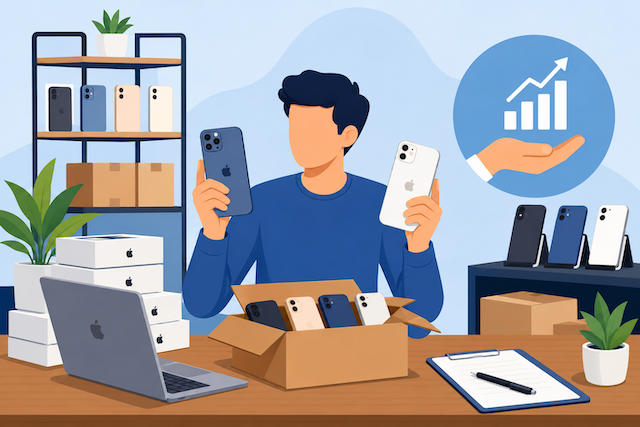
The demand for used smartphones continues to grow, and few devices perform as consistently in the resale market as the iPhone. Whether you’re starting a side hustle, running a mobile phone store, or expanding an existing electronics business, learning how to resell iPhones can become a reliable source of income.
Unlike many consumer electronics that lose value quickly, iPhones retain their appeal for years. Apple’s strong brand reputation, long software support, premium build quality, and loyal customer base make its devices easier to buy, sell, and trade than almost any other smartphone.
If you’re looking to build a profitable phone resale business, understanding why iPhones consistently outperform the competition will help you make smarter purchasing decisions, improve your margins, and grow with confidence.
Not all smartphones are created equal when it comes to resale value. While Android devices offer excellent features, the iPhone has developed a reputation for maintaining demand long after its initial release.
For resellers, that’s a significant advantage. Faster sales, stronger pricing, and higher buyer confidence create a more predictable business model.
One of the biggest reasons iPhones are profitable is simple: people actively want them.
Every year, millions of users upgrade to newer models while many others look for affordable alternatives by purchasing used or refurbished iPhones. This creates a healthy supply-and-demand cycle that keeps the resale market active throughout the year.
Unlike many Android phones that quickly disappear from buyers’ radar, older iPhone models remain desirable for several years.
Selling becomes much easier when customers already recognize the product.
Apple has built decades of brand trust through consistent hardware quality, reliable software, and excellent customer support. Most buyers don’t need convincing about whether an iPhone is a good device—they’re simply deciding which model fits their budget.
That trust reduces hesitation during the buying process and often leads to faster sales.
Many buyers cannot justify purchasing the newest iPhone at full retail price.
The secondhand market gives them access to premium Apple devices for significantly less money while still enjoying the same core experience. This creates a steady stream of customers searching specifically for used iPhones instead of new alternatives.
For resellers, that demand translates directly into opportunity.
One of Apple’s greatest competitive advantages isn’t just the iPhone itself—it’s the entire ecosystem surrounding it.
Once customers own one Apple device, they’re much more likely to stay within the ecosystem.
Features like AirDrop, iCloud, FaceTime, iMessage, Apple Watch syncing, and Mac integration create an experience that’s difficult to replace.
Someone who owns a MacBook or Apple Watch rarely wants to switch to another smartphone platform because doing so means giving up many conveniences they’ve grown accustomed to.
This ecosystem creates repeat demand that benefits resellers year after year.
Apple users typically upgrade every few years.
When they do, many trade in or sell their previous iPhone, creating a continuous flow of devices into the secondary market.
This benefits resellers from both directions:
Existing owners provide inventory.
New buyers purchase affordable used models.
Very few industries offer this kind of predictable cycle.
Depreciation determines how much profit remains after purchasing inventory.
Fortunately, iPhones lose value much slower than most competing smartphones.
Apple provides software updates for five to seven years on many devices.
That means an iPhone released several years ago can still receive important security updates and new iOS features.
Buyers appreciate knowing their phone won’t become obsolete shortly after purchase, making older models far easier to sell.
Durability also contributes to resale value.
High-quality materials, durable construction, and consistent performance allow many iPhones to remain in excellent condition after years of daily use.
Devices that look and perform well naturally command higher resale prices.
Unlike many Android phones, iPhones aren’t filled with carrier-installed software or manufacturer bloatware.
A cleaner operating system typically results in:
Better long-term performance
Less storage consumed by unnecessary apps
Fewer customer complaints
Higher buyer satisfaction
Those advantages reduce return rates and help establish a stronger reputation for your business.
Understanding customer behavior helps explain why iPhones continue outperforming other used smartphones.
Not everyone wants—or needs—the newest flagship model.
Many customers happily purchase an iPhone that’s one to three generations old because it still delivers excellent performance while costing significantly less.
Students, parents, professionals, and small businesses often choose refurbished iPhones over brand-new devices.
Outside North America, used iPhones remain extremely popular.
Many international markets rely heavily on refurbished Apple devices because new flagship phones may be prohibitively expensive.
This worldwide demand creates additional resale opportunities for wholesalers and exporters.
Android buyers often compare dozens of manufacturers and hundreds of different models.
Apple keeps its product lineup relatively straightforward.
Customers typically know exactly which iPhone model they want before they begin shopping, making purchasing decisions much faster.
Buying inventory wisely is one of the most important parts of building a successful resale business.
Wholesale suppliers can significantly improve your profit margins, especially when buying multiple devices at once.
Before purchasing inventory, it’s worth understanding how experienced resellers evaluate wholesale iPhone suppliers and pricing to avoid overpaying or receiving inconsistent inventory.
Always verify:
IMEI status
Carrier compatibility
Battery health
Cosmetic grading
Functional testing
Activation Lock status
These checks reduce unexpected costs later.
Local sourcing remains one of the most profitable methods available.
Potential sources include:
Facebook Marketplace
Craigslist
Community buy-and-sell groups
Local classifieds
Customer trade-ins
Walk-in purchases
Since there’s no middleman, local purchases often produce higher margins.
Offering trade-ins creates a consistent stream of inventory while encouraging repeat business.
Customers upgrading their phones appreciate the convenience, and you’ll often acquire quality devices below wholesale pricing.
Pricing isn’t simply about charging the highest amount possible.
Successful resellers balance competitiveness with profitability.
Compare listings across multiple marketplaces before setting prices.
Pay attention to:
Storage capacity
Cosmetic condition
Battery health
Carrier lock status
Included accessories
Even small differences can affect pricing considerably.
Accurate descriptions lead to happier customers.
Clearly disclose:
Battery percentage
Cosmetic wear
Screen replacements
Repair history
Warranty information
Transparency reduces disputes while increasing customer confidence.
Many successful businesses begin with just a few devices.
The difference between a hobby and a sustainable business comes down to systems.
Develop consistent procedures for:
Device testing
Cleaning
Photography
Listing creation
Packaging
Shipping
Customer communication
Efficiency allows you to scale without sacrificing quality.
Excellent service often matters just as much as pricing.
Satisfied buyers frequently return when upgrading or recommend your business to family and friends.
Providing honest product descriptions, responsive communication, and fair warranties encourages long-term loyalty.
If you’re planning to expand beyond occasional sales, understanding what it takes to build a successful cell phone business from the ground up can help create a stronger foundation for long-term growth.
Although iPhones may become your primary product, offering accessories like chargers, screen protectors, and phone cases increases average order value.
These low-cost add-ons can significantly improve profitability.
Even profitable businesses can struggle if common mistakes aren’t addressed early.
Always confirm:
IMEI status
Activation Lock
Carrier compatibility
Water damage indicators
Battery condition
Skipping these checks can turn a profitable purchase into a costly mistake.
Customers notice condition immediately.
Use standardized grading categories such as Excellent, Good, Fair, or Acceptable, and include clear photos from multiple angles.
Accurate grading minimizes returns and protects your reputation.
Fast responses, honest communication, and professional packaging often generate positive reviews that drive future sales.
Strong customer service becomes a competitive advantage over time.
Yes. Strong consumer demand, slower depreciation, and consistent resale pricing continue to make iPhones one of the most profitable smartphones to resell.
Recent flagship models typically sell quickly, but older models like the iPhone 12, iPhone 13, and iPhone 14 also remain popular because they offer excellent value for buyers.
Many source inventory through wholesalers, trade-in programs, local marketplaces, business liquidations, and direct customer buybacks.
Whenever possible, yes. Unlocked devices appeal to a much larger audience because buyers can use them with multiple carriers.
Profit varies depending on sourcing costs, device condition, and market demand. Experienced resellers often achieve healthy margins by purchasing inventory strategically and maintaining efficient operations.
Few consumer electronics deliver the consistency that iPhones offer in the resale market.
Their strong brand recognition, premium build quality, extended software support, and loyal customer base create dependable demand year after year. Whether you’re selling a handful of devices each month or managing large wholesale inventory, iPhones provide predictable pricing and reliable opportunities for profit.
Success ultimately comes from sourcing wisely, pricing competitively, and delivering an outstanding customer experience. When those fundamentals are in place, reselling iPhones can grow from a side income into a scalable, long-term business.
Become a JNA Dealer & Sell Wholesale Cellphone Products
Looking to grow beyond individual sales? Become a JNA Authorized Agent and gain access to wholesale cellphone inventory, competitive pricing, and dealer opportunities designed to help your business scale.
Telecom Lead Management: Follow Up Without Losing Sales
Oct 19, 2026
Franchise Law Basics: What Every Owner Should Know
Oct 16, 2026
How Cox Business Products Help Dealers Drive Growth
Oct 15, 2026
7 Reasons to Become a Vivint Authorized Reseller
Oct 14, 2026

Why Become an Internet Provider Dealer? 7 Key Benefits
Oct 13, 2026

9
Oct, 2026
BUSINESS IDEAS
Turning potential customers into loyal buyers takes more than a great product or an effective...
25
Jun, 2026
AT&T RETAILER
Starting a business doesn’t always require creating a product from scratch or investing thousands of...

10
Jun, 2026
BUY PHONES IN BULK
Knowing the best time to sell used phones can make a noticeable difference in how much money...