DEALER
Telecom Lead Management: Follow Up Without Losing Sales
Telecom lead management is the process of organizing, qualifying, contacting, and following up with potential...
Learn More

 May 8, 2026
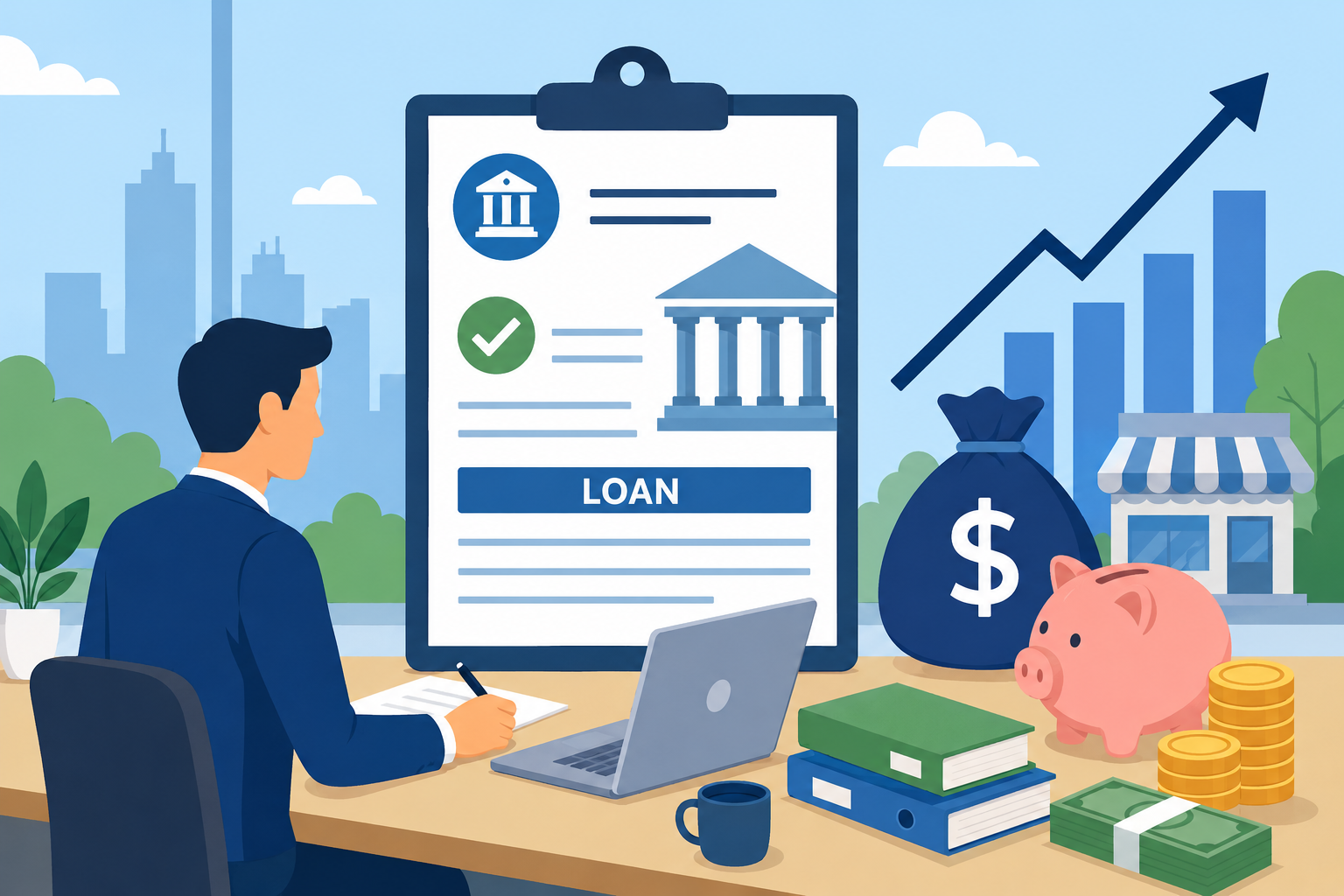
Long-term business loans can give companies the financial flexibility they need to expand operations, improve cash flow, and invest in long-term growth. For many business owners, this type of funding becomes a practical solution when major expenses or expansion plans require more capital than current revenue can support.
Still, taking on long-term debt is a serious financial commitment. Before signing any loan agreement, it’s important to understand how long-term financing works, the benefits it offers, and the risks that may affect your business in the future.
Whether you are planning to purchase equipment, hire employees, open another location, or stabilize operations during growth, knowing how long-term business loans fit into your financial strategy can help you make a smarter decision.
A long-term business loan is a financing option where a lender provides a lump sum of money that is repaid over several years through scheduled monthly payments.
These loans are commonly used for:
Expanding business operations
Purchasing commercial property
Buying inventory in bulk
Upgrading technology or equipment
Hiring staff
Refinancing existing debt
Unlike short-term financing, long-term loans usually offer extended repayment periods ranging from three to twenty years, depending on the lender and loan structure.
Many business owners use this type of financing because it provides predictable monthly payments and lower interest rates compared to certain alternative funding methods.
Businesses that need additional operating flexibility often rely on stable funding solutions tied to healthy cash flow and proper financial planning. Building stronger financial foundations through effective small business working capital support can also help companies manage long-term growth more effectively.
When approved for a long-term loan, the lender provides funds upfront. The business owner then repays the amount over time, including interest and applicable fees.
Repayment schedules are usually fixed, which means:
Monthly payment amounts stay consistent
Interest rates may remain fixed
Budget forecasting becomes easier
Loan approval is often based on:
Credit score
Time in business
Annual revenue
Existing debt
Business profitability
Cash flow history
Because lenders take on more risk with long repayment periods, qualification standards are usually stricter than those for short-term loans.
Long-term financing offers several advantages for businesses that need stable and predictable funding.
One of the biggest advantages is manageable monthly repayment amounts.
Because repayment is spread over several years, businesses avoid the pressure of large short-term payments. This can improve monthly cash flow and reduce financial strain.
For companies balancing payroll, inventory, and operational costs, smaller monthly obligations can make budgeting far easier.
Long-term loans often provide access to significantly larger amounts of capital compared to short-term funding options.
This can help businesses:
Expand locations
Renovate commercial spaces
Invest in infrastructure
Purchase expensive machinery
Launch large-scale projects
Businesses looking to scale operations frequently combine long-term funding with strategic investments such as commercial equipment financing solutions that support sustainable growth.
Traditional long-term business loans usually come with lower interest rates than credit cards, merchant cash advances, or some short-term financing products.
Lower rates can reduce overall borrowing costs, especially for businesses with strong financial profiles.
Fixed repayment schedules provide consistency.
Business owners know exactly how much they owe each month, making financial planning easier and reducing surprises.
Predictability becomes especially valuable during slower business seasons or economic uncertainty.
Long-term financing can create opportunities that may otherwise remain out of reach.
Businesses often use these loans to:
Enter new markets
Increase production
Improve customer experience
Build stronger infrastructure
Hire specialized employees
When managed responsibly, strategic borrowing can position a company for long-term profitability.
While long-term financing offers advantages, there are also important risks to consider before applying.
A long-term loan creates a financial obligation that may remain on your balance sheet for years.
This can affect future borrowing opportunities and reduce financial flexibility.
If economic conditions change or revenue slows unexpectedly, repayment obligations may become more difficult to manage.
Lenders often require substantial documentation before approving long-term financing.
You may need to provide:
Tax returns
Bank statements
Profit and loss statements
Cash flow projections
Business plans
Revenue reports
The application process may take longer than other funding options, especially for large loan amounts.
Most lenders prefer businesses with strong credit histories and stable financial performance.
If your business or personal credit score is weak, approval may become more difficult or interest rates may increase significantly.
Maintaining healthy financial habits and improving your business credit score management can strengthen future financing opportunities.
Even with lower rates, paying interest over many years can increase the total cost of borrowing.
A lower monthly payment may look appealing initially, but businesses should calculate the full repayment amount before committing to a loan.
Taking on large debt today may limit your ability to qualify for additional financing later.
Lenders evaluate existing debt obligations when reviewing future applications, which could affect your ability to respond to emergencies or growth opportunities.
Long-term lenders generally prefer established businesses with a proven financial history.
Companies with the strongest approval odds usually have:
Several years in business
Stable annual revenue
Positive cash flow
Strong credit history
Organized financial records
Clear business growth plans
Newer businesses may still qualify, but they often face stricter requirements or higher interest rates.
Lenders want confidence that the borrower can repay the loan successfully.
Lenders carefully review business performance and profitability.
Consistent revenue and stable cash flow reduce lending risk and improve approval chances.
Companies with longer operating histories are often viewed as lower risk.
Businesses that have survived economic shifts and market challenges demonstrate stability.
Lenders want to understand how the funds will be used.
Clear expansion plans, financial projections, and revenue strategies help build lender confidence.
Both personal and business credit scores may influence approval decisions.
A strong credit history signals responsible financial management and lowers perceived risk.
Long-term financing may be a smart option when the borrowed funds support growth that generates future revenue.
Examples include:
Opening additional locations
Purchasing revenue-generating equipment
Expanding inventory capacity
Renovating commercial properties
Refinancing high-interest debt
In these situations, long-term borrowing can help businesses increase profitability while spreading repayment costs over time.
Not every business situation calls for long-term debt.
Short-term financing or alternative funding may be better if:
Revenue is unstable
The business is seasonal
Funds are needed for temporary expenses
Cash flow is unpredictable
The company already carries significant debt
Businesses should evaluate both immediate needs and long-term financial health before committing to multi-year repayment obligations.
Understanding the difference between long-term and short-term financing helps business owners choose the right funding solution.
| Feature | Long-Term Loan | Short-Term Loan |
|---|---|---|
| Repayment Period | Several years | Months to a few years |
| Monthly Payments | Lower | Higher |
| Interest Rates | Usually lower | Often higher |
| Funding Amounts | Larger | Smaller |
| Approval Speed | Slower | Faster |
| Best For | Major investments | Immediate short-term needs |
Choosing the right loan depends on your goals, cash flow, and repayment capacity.
Businesses comparing financing structures sometimes evaluate different lending models, including secured versus unsecured business funding, before selecting the right option.
Proper preparation can improve approval odds and help you secure better loan terms.
Prepare updated:
Tax returns
Profit and loss statements
Balance sheets
Revenue reports
Cash flow statements
Accurate documentation shows professionalism and financial stability.
Check both personal and business credit reports before applying.
Correcting errors and paying down debt may improve your loan terms.
Do not focus only on monthly payments.
Evaluate:
Total interest costs
Cash flow impact
Future borrowing needs
Emergency reserves
A loan should support growth without placing excessive pressure on daily operations.
Lenders prefer borrowers with a clear plan.
Be ready to explain:
Why funding is needed
How the funds will be used
How the investment will generate revenue
Avoiding common borrowing mistakes can protect your company financially.
Taking larger loans than needed increases interest costs and repayment pressure.
Borrow strategically based on realistic business needs.
Economic downturns, inflation, and industry shifts can affect repayment ability.
Businesses should prepare for changing conditions before committing to long-term debt.
Different lenders offer different:
Rates
Fees
Repayment terms
Qualification standards
Comparing options carefully can save substantial money over time.
Always review the full repayment amount, not just the monthly payment.
Long-term borrowing may cost far more over the life of the loan than expected.
A long-term business loan can provide the financial stability and growth capital needed to expand operations, improve infrastructure, and strengthen your company’s future.
However, long-term financing also comes with responsibilities and financial risks that should not be overlooked.
Before applying, carefully evaluate your company’s financial health, cash flow, growth strategy, and ability to manage repayment over time. The right loan can support sustainable growth, while the wrong one may create long-term financial pressure.
By understanding both the advantages and the risks, business owners can make informed borrowing decisions that align with their long-term goals.
A long-term business loan usually has a repayment period of three years or more. Some loans may extend up to twenty years depending on the lender and loan type.
Qualification requirements are often stricter than short-term financing. Lenders typically look for strong credit, stable revenue, and established business history.
Some startups may qualify, but newer businesses often face higher interest rates or additional requirements due to limited financial history.
Businesses commonly use these loans for expansion, equipment purchases, renovations, hiring, inventory, refinancing debt, and operational growth.
Yes. Making consistent payments can help strengthen business credit, while missed payments may negatively impact both business and personal credit scores.
It depends on the business need. Long-term loans work well for large investments and lower monthly payments, while short-term loans may be better for temporary or urgent expenses.

Telecom Lead Management: Follow Up Without Losing Sales
Oct 19, 2026
Franchise Law Basics: What Every Owner Should Know
Oct 16, 2026

How Cox Business Products Help Dealers Drive Growth
Oct 15, 2026

7 Reasons to Become a Vivint Authorized Reseller
Oct 14, 2026

Why Become an Internet Provider Dealer? 7 Key Benefits
Oct 13, 2026

19
Oct, 2026
DEALER
Telecom lead management is the process of organizing, qualifying, contacting, and following up with potential...
13
Oct, 2026
DEALER
Becoming an internet provider dealer can be an opportunity to build a business around services...
8
Oct, 2026
BUSINESS LOAN
Choosing the best location for your business can have a major impact on visibility, customer...