FRANCHISING
Franchise Law Basics: What Every Owner Should Know
Franchising can offer entrepreneurs a way to operate an established business while giving brands an...
Learn More

 September 30, 2026
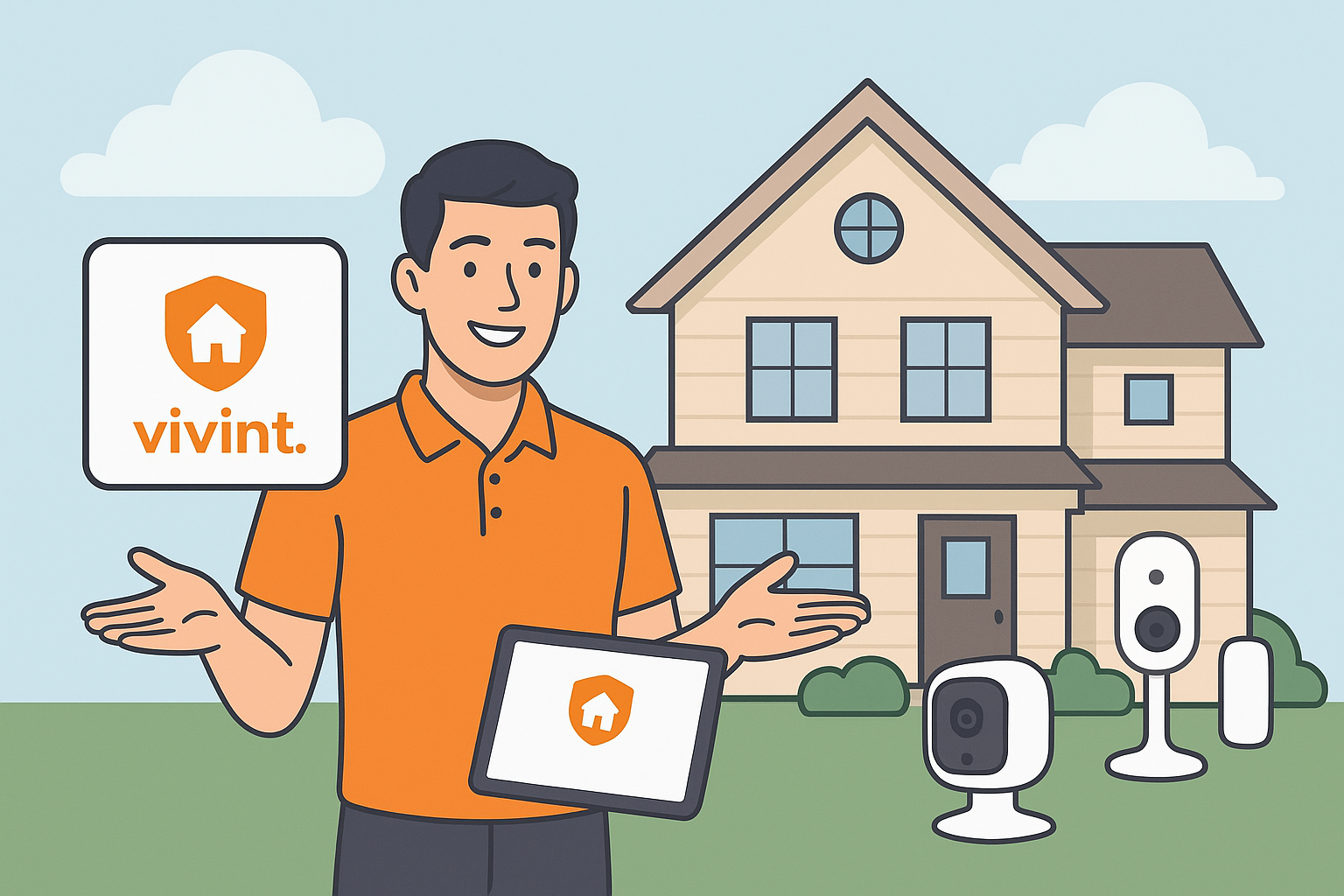
Selling Vivint smart home products can provide a flexible sales opportunity for people who understand the products, connect with homeowners, and consistently generate qualified leads. Reaching a specific weekly income depends on factors such as sales volume, customer demand, lead quality, and the terms of the dealer program you work with.
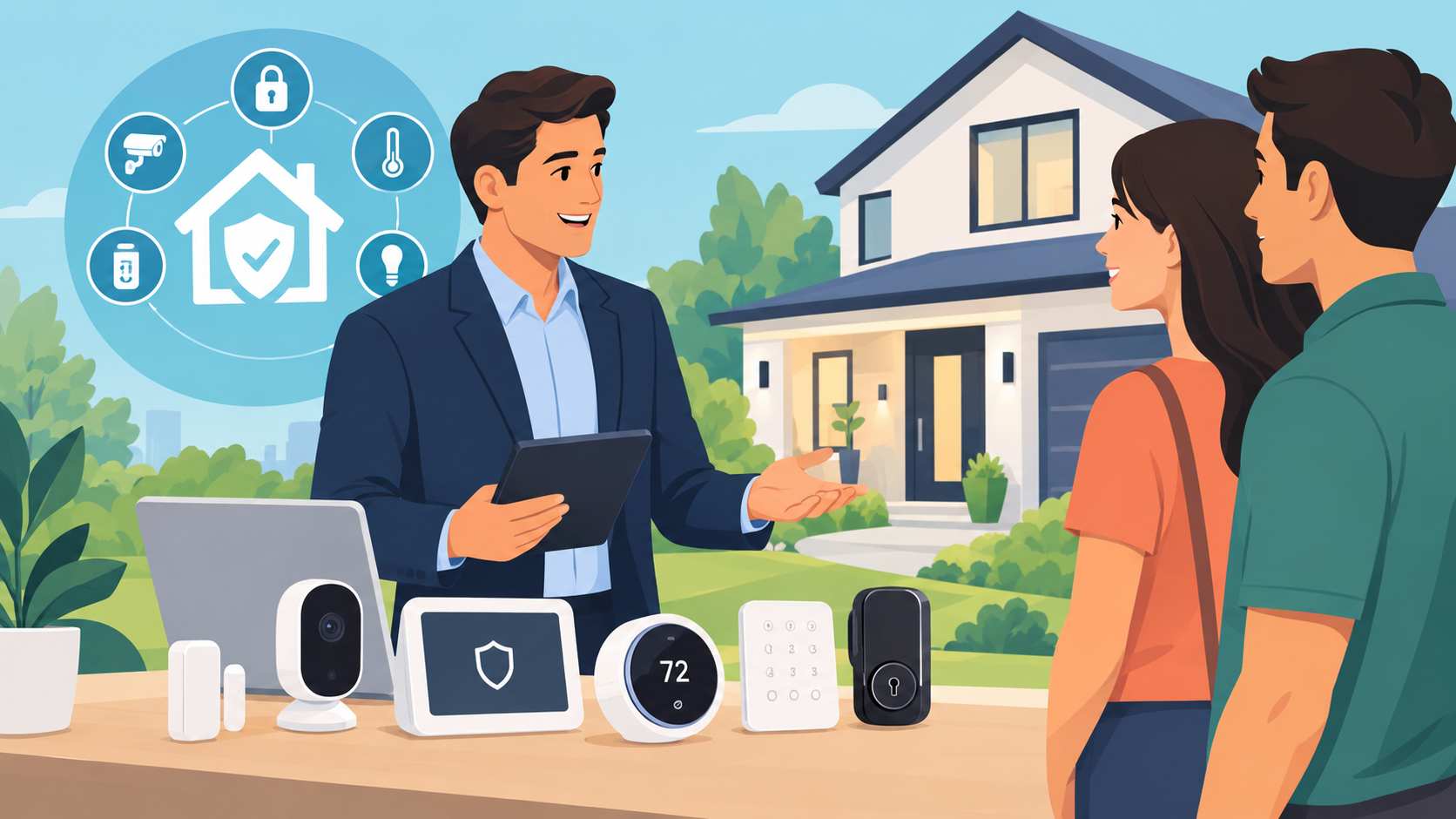
Vivint offers an integrated smart home ecosystem that can include security, cameras, automation, and other connected-home features. For sales professionals and dealers, the key is not simply knowing the products but understanding which solutions fit different homeowners and explaining their value clearly.
This guide explains how Vivint sales work, how to present products effectively, how to generate leads, and how a dealer program such as the JNA Dealer Program can support a broader sales strategy.
Selling Vivint starts with understanding the customer’s needs and matching those needs with appropriate smart home solutions. A successful sales process typically combines product knowledge, personalized recommendations, clear communication, lead generation, and consistent follow-up.
Rather than using the same presentation for every homeowner, focus on the problems the customer wants to solve. Someone concerned about home security may be interested in different features than someone primarily interested in cameras or smart home automation.
A practical sales process can include:
The goal is to make the buying decision easier by showing customers how the products can fit their specific needs.
Before selling Vivint products, learn how the different parts of the smart home ecosystem work together. The original article highlights security, automation, cameras, and energy management as important areas to understand.
A strong product presentation should focus on how those solutions can fit into a homeowner’s lifestyle rather than overwhelming the customer with technical details.
The Vivint smart start kit can serve as an entry point when explaining Vivint’s smart home offerings. Sales professionals should understand what the kit includes and how to explain its value in straightforward language.
Knowing the product well also makes it easier to answer customer questions and recommend solutions based on individual needs.
Different homeowners have different priorities, so understanding available Vivint packages is important when presenting options.
Instead of presenting every available feature at once, start by learning what matters most to the customer. For example, a homeowner focused on security may want to learn more about security-related features, while another customer may be more interested in connected devices and automation.
The more closely the recommendation matches the customer’s needs, the more relevant the sales conversation becomes.
The most useful Vivint sales strategies focus on customer needs, clear product explanations, consistent prospecting, and follow-up. A strong sales process should help homeowners understand the practical value of the products without relying on overly technical language.
Becoming an official dealer partner can give sales professionals access to resources that support their business activities.
The original article identifies sales tools, training, and credibility as important advantages of working through a dealer program. Before joining, prospective dealers should understand the program structure, requirements, available support, and compensation terms.
A dealer relationship can be particularly useful for people who want to build a more structured approach to selling smart home products.
A generic sales pitch can make it difficult for customers to see how a product applies to their situation. Personalizing the conversation allows you to focus on the features that matter most to each homeowner.
For example:
| Customer Type | Topics to Discuss |
|---|---|
| Families | Safety sensors and cameras |
| Frequent travelers | Remote access and mobile control |
| Technology-focused homeowners | Smart automation features |
| Security-focused customers | Monitoring, alerts, and security features |
These are starting points rather than fixed customer profiles. The best approach is to ask questions first and then use the answers to guide the presentation.
Customers do not always need a detailed technical explanation before they understand a product’s value. Explain features in terms of what they can help the homeowner do.
For example, a sales conversation can focus on benefits such as:
Avoid promising specific savings, outcomes, or results unless those claims can be supported for the particular customer and product.
Lead generation is a major part of building a consistent sales pipeline. A strong strategy combines direct outreach, online content, community engagement, referrals, and follow-up with people who have already shown interest.
The objective is not simply to collect as many leads as possible. It is to attract people who are likely to have a genuine need for smart home products and then provide useful information throughout the sales process.
Online platforms can help dealers reach homeowners beyond their existing personal network. Useful content can answer common questions, demonstrate product features, and explain smart home concepts in simple terms.
Consider creating:
Consistent content can also help establish your expertise before a potential customer contacts you.
Generating a lead is only the beginning. Some customers need additional information or time before they are ready to make a decision.
Create a simple follow-up process that records:
A consistent process reduces the chance of losing track of interested prospects.
Satisfied customers can become an additional source of potential leads. After completing a successful sale and providing appropriate support, ask whether the customer knows other homeowners who may be interested in smart home solutions.
Referral conversations should feel natural rather than forced. The goal is to build a network based on trust and useful customer experiences.
A productive sales conversation starts with listening. Instead of immediately explaining every product, ask questions that reveal what the homeowner actually needs.
Useful questions can include:
The answers can help you decide which parts of the Vivint ecosystem deserve the most attention.
Technical information is useful when customers need it, but too much information at once can make a presentation harder to follow.
A better approach is to explain a feature and immediately connect it to a practical use case.
For example:
Feature: Mobile control
Customer benefit: The homeowner can manage supported smart home functions remotely.
Feature: Alerts
Customer benefit: The homeowner can receive notifications about relevant activity or events.
Feature: Smart automation
Customer benefit: Connected devices can work together to make routine tasks easier to manage.
This structure keeps the conversation focused on what the customer actually wants to accomplish.
Vivint sales can become part of a recurring sales strategy when a dealer consistently generates prospects, improves conversion skills, follows up with customers, and manages daily sales activity.
However, income should not be presented as guaranteed. Actual earnings depend on factors such as sales performance, lead volume, customer demand, compensation arrangements, and the specific dealer program.
If your goal is to work toward a target such as $1,000 per week, treat it as a sales planning target rather than an assured result.
For example, track:
This makes it easier to identify which part of the sales process needs improvement.
The JNA Dealer Program can provide an opportunity to expand beyond a single product category by offering additional products, revenue opportunities, sales resources, and training.
For a dealer building a broader business, this can create a more diversified approach to customer conversations.
Instead of viewing Vivint sales as an isolated activity, consider how smart home products can fit into a larger sales strategy. Understanding the products you offer and the customers you serve can help you identify additional opportunities without forcing products that do not match the customer’s needs.
Sales revenue is only one part of running a dealer business. Understanding expenses and other business costs is important when evaluating actual profitability.
Resources such as franchise royalty fees can help business owners become more familiar with costs associated with certain business models.
Before setting an income target, consider both revenue and expenses. A clear understanding of the numbers makes it easier to evaluate sales performance and plan for sustainable growth.
Consistent daily activity is often more useful than relying on occasional bursts of prospecting. Create a manageable routine that keeps new leads entering the pipeline while existing prospects receive follow-up.
A practical daily routine can include:
These numbers should be adjusted according to your available time, sales process, and actual results. The purpose is to create measurable activity rather than blindly chase a fixed number of contacts.
Weekly tracking helps you understand which sales activities are producing results and where your process needs improvement.
Consider reviewing:
| Metric | What It Tells You |
|---|---|
| New prospects | How many potential customers entered your pipeline |
| Qualified leads | How many prospects have a relevant need |
| Presentations | How many prospects received a product explanation |
| Follow-ups | How consistently you are engaging interested prospects |
| Closed sales | How many opportunities converted |
| Conversion rate | How effectively leads move through the sales process |
| Revenue or commissions | How sales activity translates into income |
You can also use a weekly review to identify common customer objections and questions. Those insights can help you improve future presentations and online content.
Even with good products and strong lead generation, certain sales habits can make the process less effective.
Homeowners have different priorities. A single script may not address the concerns of every customer.
Instead, use a consistent sales framework while adapting the conversation to the individual.
Listing features without explaining their practical value can make a presentation difficult to follow.
Connect important features to the customer’s goals and explain why they may matter.
Avoid promising specific insurance savings, energy savings, or financial results unless the claim is supported and applies to the customer’s situation.
Sales conversations should set realistic expectations.
Some prospects will not make a decision during the first conversation. Without a follow-up process, potentially valuable opportunities can disappear.
Record your conversations and establish a clear next step whenever appropriate.
You do not need to overwhelm customers with technical information, but you should understand the products you sell well enough to explain their main functions and answer common questions accurately.
Building income through Vivint sales requires more than simply knowing the products. A sustainable sales process combines product knowledge, customer-focused presentations, lead generation, follow-up, and consistent performance tracking.
Keep these principles in mind:
Income varies based on factors such as sales volume, lead generation, conversion rates, compensation arrangements, and customer demand. A target such as $1,000 per week should be treated as a business goal rather than guaranteed income.
Selling Vivint may suit sales professionals who are comfortable with prospecting, customer conversations, follow-up, and learning smart home products. The fit depends on the individual’s goals, sales ability, available market, and dealer program terms.
Start by learning the available products, packages, key features, customer use cases, and the sales resources available through your dealer relationship. Strong product knowledge helps you answer questions and make relevant recommendations.
Lead generation can include prospecting calls, personalized messages, educational content, local community engagement, referrals, and consistent follow-up with existing prospects.
Start by asking about the homeowner’s needs and concerns. Then focus your presentation on the products and features that are relevant to those needs rather than presenting every feature at once.
Dealer opportunities and requirements depend on the specific program. The JNA Dealer Program provides information and resources for people interested in dealer opportunities involving Vivint and other products.
Track prospects, qualified leads, presentations, follow-ups, closed sales, conversion rates, and revenue or commissions. Reviewing these numbers regularly can show where your sales process needs improvement.
Focus on consistent prospecting, useful customer education, personalized presentations, follow-up, product knowledge, referrals, and regular performance reviews. A repeatable process is easier to improve than an approach based only on occasional sales activity.
Building real income through Vivint sales starts with understanding the products and putting the customer’s needs at the center of the sales process. Product knowledge, personalized presentations, online lead generation, referrals, and consistent follow-up can all contribute to a stronger sales pipeline.
If you are working toward a specific weekly income goal, use measurable sales activity and performance data to determine what it will take to reach that target. Avoid treating a specific income level as guaranteed, and review both revenue and business costs as your operation grows.
The JNA Dealer Program can provide additional resources, training, and product opportunities for dealers looking to build a broader sales business. With a structured process and consistent execution, Vivint sales can become one part of a larger strategy for developing a smart home sales business.
Telecom Lead Management: Follow Up Without Losing Sales
Oct 19, 2026
Franchise Law Basics: What Every Owner Should Know
Oct 16, 2026
How Cox Business Products Help Dealers Drive Growth
Oct 15, 2026
7 Reasons to Become a Vivint Authorized Reseller
Oct 14, 2026

Why Become an Internet Provider Dealer? 7 Key Benefits
Oct 13, 2026

16
Oct, 2026
FRANCHISING
Franchising can offer entrepreneurs a way to operate an established business while giving brands an...
14
Oct, 2026
VIVINT DEALER
Becoming a Vivint authorized reseller can be an opportunity for entrepreneurs who want to enter...

9
Oct, 2026
BUSINESS IDEAS
Turning potential customers into loyal buyers takes more than a great product or an effective...