DEALER
How Telecom Dealers Can Reduce Chargebacks and Disputed Sales
Chargebacks and disputed sales can create financial problems for telecom dealerships by reversing commissions, increasing...
Learn More

 November 18, 2026
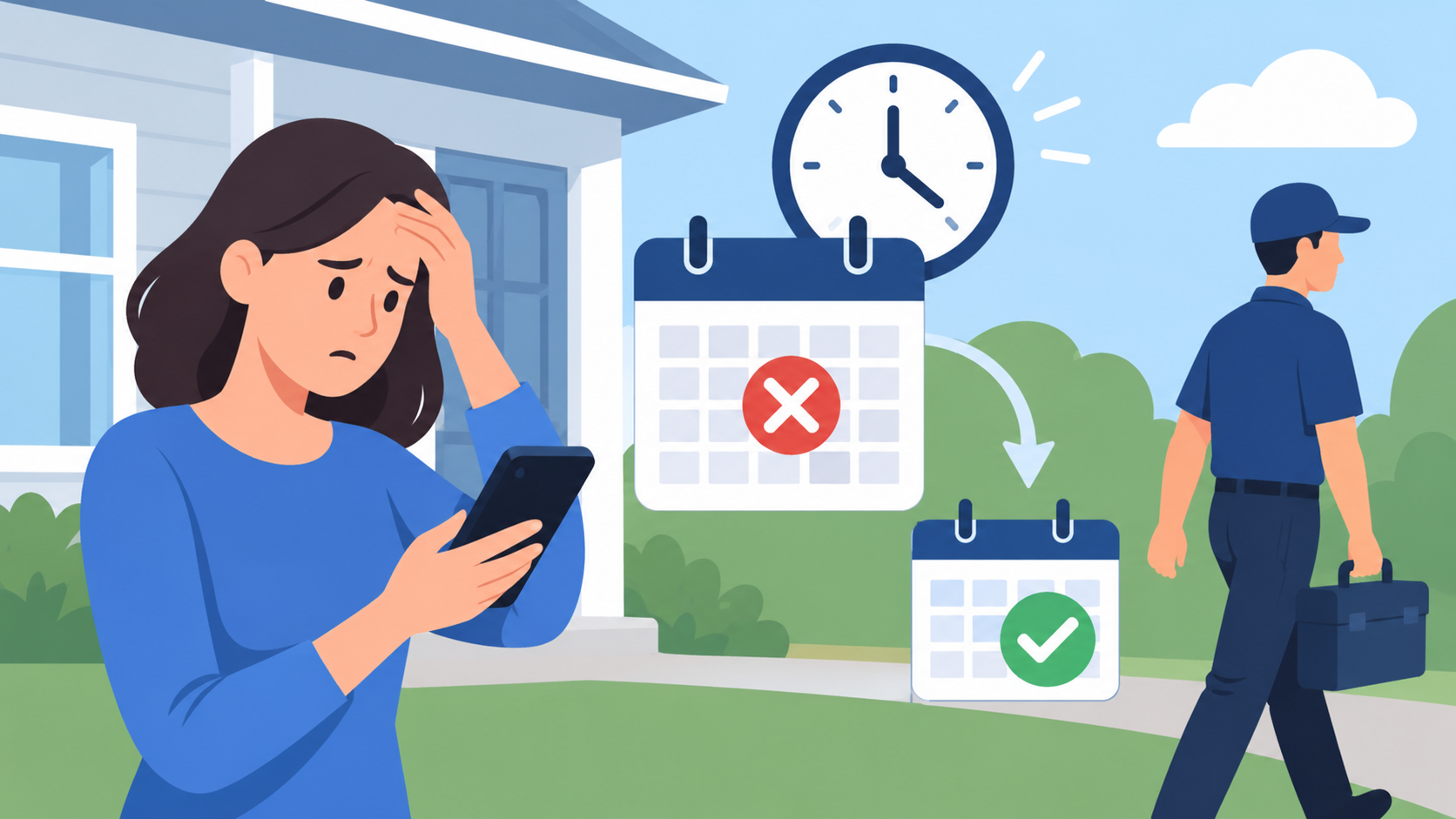
A missed internet or telecom installation appointment can frustrate customers, delay service activation, and create additional work for dealers. When a technician does not arrive as scheduled, telecom dealers should verify the appointment status, contact the provider, communicate with the customer, and coordinate the next available installation date.
Handling a telecom installation no-show properly requires more than simply booking another appointment. Dealers need a consistent follow-up process that identifies why the appointment was missed, documents the issue, confirms the new schedule, and keeps the customer informed until installation is completed.
For telecom dealers managing multiple providers and customer orders, a reliable rescheduling process can help protect customer relationships, reduce preventable cancellations, and keep pending installations organized.
A telecom installation no-show occurs when a scheduled technician fails to arrive at the customer’s service address within the confirmed appointment window, without completing the installation or providing an adequate explanation.
No-shows can happen for several reasons, including scheduling errors, technician availability problems, incorrect service addresses, access restrictions, or unexpected operational delays.
Common examples include:
Not every unsuccessful installation is technically a no-show. For example, a technician who arrives but cannot complete the work because additional equipment or construction is required represents an incomplete installation rather than an actual technician absence.
Understanding the difference helps dealers report the problem accurately and request the appropriate resolution.
Telecom installation appointments can be missed because of scheduling conflicts, operational problems, incorrect customer information, or issues at the installation location. Identifying the reason helps dealers determine whether the provider, customer, or another party needs to take action.
Technicians may experience overlapping appointments, unexpected delays at previous service locations, or insufficient availability to complete all scheduled installations.
When this happens, a technician may arrive late or fail to reach the customer’s address within the original appointment window.
What dealers should do: Contact the provider’s installation or dispatch department to confirm whether the appointment is still active and whether the technician has been reassigned.
An incorrect street number, apartment number, unit designation, or ZIP code can prevent technicians from locating the correct property.
This is particularly important for apartment complexes, gated communities, commercial buildings, and multi-unit properties.
What dealers should do: Verify the complete service address with the customer and compare it with the address recorded in the provider’s order system.
Some installations require the customer or an authorized representative to be present. If the customer is unavailable, does not answer the door, or cannot provide access to the property, the technician may be unable to proceed.
What dealers should do: Confirm the customer’s availability before the appointment and explain any attendance or access requirements provided by the service provider.
A technician may arrive but discover that additional equipment, wiring, network access, or technical work is needed before installation can be completed.
In some situations, the provider may need to schedule another visit or assign a specialized technician.
What dealers should do: Ask the provider to identify the outstanding technical requirement and confirm what needs to happen before another appointment is scheduled.
Appointment information may not always be updated correctly across customer notifications, dispatch systems, and order management platforms.
A customer might receive an appointment confirmation even though the provider’s installation team has not properly assigned the job.
What dealers should do: Request confirmation directly from the provider’s authorized support channel instead of relying exclusively on an automated notification.
When a technician misses an appointment, dealers should first verify the appointment status, establish what happened, notify the customer, and request a confirmed resolution from the provider.
A structured response prevents unnecessary confusion and gives both the customer and dealer a clear next step.
Before reporting a no-show, check the appointment confirmation and determine whether the entire scheduled window has elapsed.
Some providers use arrival windows rather than exact appointment times. A technician arriving toward the end of that window may still be considered on schedule.
Review the following information:
Avoid reporting a technician as absent before the confirmed appointment window has ended.
Once the appointment window has passed, contact the provider through its designated dealer support, installation support, or dispatch channel.
Ask for the current appointment status and whether the technician has been assigned, delayed, or unable to complete the visit.
Useful questions include:
Request a support reference number or case ID whenever available.
After checking with the provider, contact the customer and explain what you have confirmed.
If the provider has not supplied a clear explanation, be transparent about that instead of guessing why the technician did not arrive.
A good customer update should include:
Customers appreciate timely communication, especially when they have arranged their schedules around an installation visit.
Ask the provider to arrange another appointment based on the customer’s availability and the provider’s scheduling options.
Before confirming the new date, verify whether the provider requires additional information, technical checks, or customer action.
Do not promise an installation date until the provider has confirmed the appointment.
Document the missed appointment in your dealership’s order tracking system or approved customer management platform.
A useful record should contain:
Accurate documentation helps managers identify recurring problems and prevents multiple representatives from contacting the provider about the same issue without coordination.
Dealers can reschedule an unsuccessful installation by coordinating with the provider’s authorized scheduling channel, confirming customer availability, and obtaining a new appointment confirmation.
The exact procedure varies by provider, service type, and order status.
Before requesting another appointment, gather the information required to locate and update the original order.
Use this checklist:
Providing accurate information helps the provider locate the correct application and determine which scheduling options are available.
A new appointment should be treated as confirmed only after the provider has accepted the scheduling request and issued the applicable confirmation.
Verify the following details:
Do not assume that requesting a new date automatically means the appointment has been scheduled.
Dealers can reduce preventable installation problems by confirming appointments in advance, checking customer information, communicating installation requirements, and monitoring provider updates.
Although dealers cannot control every technician scheduling decision, they can improve the preparation and communication process.
Make sure the provider has the correct service address and customer contact information.
Pay particular attention to:
These details can prevent avoidable communication and location problems.
Contact customers before their scheduled installation to remind them of the appointment date and confirmed arrival window.
A reminder can also help identify scheduling conflicts before the technician is dispatched.
For example, a dealer can send a reminder asking the customer to confirm availability and whether any access arrangements have changed.
Use provider-approved communication procedures and applicable consent requirements.
Customers should understand what they need to do before the technician arrives.
Depending on the service and property, this may include:
Only communicate requirements that have been confirmed by the provider.
Dealers should monitor installation appointments instead of assuming that every submitted order will proceed as scheduled.
Use the provider’s approved system to check for changes, cancellations, or outstanding requirements.
If a status changes, contact the customer promptly and explain the confirmed next steps.
Different providers may have different installation procedures, appointment windows, and escalation channels.
Maintain an updated reference for each provider that includes:
A provider-specific checklist makes it easier for representatives to follow the correct process without relying on memory.
Repeated missed appointments should be escalated through the provider’s appropriate support or management channel. Dealers should document each incident, identify recurring patterns, and request a clear resolution plan rather than repeatedly submitting the same scheduling request.
Consider these steps:
Collect the dates of previous appointments, provider responses, support reference numbers, and rescheduling attempts.
This creates a documented timeline that helps explain the problem.
Determine whether the issue involves:
Understanding the recurring cause helps the provider identify the appropriate department to handle the issue.
If regular support cannot resolve the problem, request escalation through the provider’s authorized dealer support or management process.
Explain the history of missed appointments and request confirmation of the next action.
Repeated scheduling problems can damage customer confidence.
Maintain regular communication and avoid making guarantees about installation dates or completion times that the provider has not confirmed.
If the customer is no longer willing to wait, review the available options with the provider and customer.
Depending on the applicable provider policies, the order may be eligible for another appointment, cancellation, or a different service arrangement.
Do not submit a duplicate order or promise an alternative service without checking the original order’s status and the provider’s requirements.
Installation no-shows can affect dealer performance by delaying completed sales, increasing support workload, frustrating customers, and creating opportunities for cancellations.
The impact extends beyond the missed appointment itself.
| Business Impact | How It Affects Dealers |
|---|---|
| Delayed activation | Customers wait longer before receiving the service they ordered. |
| Customer dissatisfaction | Repeated scheduling problems can reduce customer confidence. |
| Increased workload | Representatives spend additional time contacting providers and arranging appointments. |
| Cancellation risk | Frustrated customers may decide not to continue with the order. |
| Commission uncertainty | Delayed installation or activation may affect when a transaction becomes eligible for commission under applicable program rules. |
| Reduced productivity | Representatives spend time resolving existing orders instead of handling new sales opportunities. |
Dealers should monitor both submitted orders and successfully completed installations to understand how scheduling problems affect business performance.
For additional guidance on maintaining customer relationships, see JNA’s article on How Telecom Dealers Can Spot and Prevent Customer Churn.
Telecom dealers should track missed appointments, rescheduling frequency, installation completion, and the time required to resolve scheduling issues. These measurements help managers identify operational problems and evaluate the effectiveness of their follow-up procedures.
Useful metrics include:
| Metric | What It Measures | Why It Matters |
|---|---|---|
| Installation no-show rate | Percentage of scheduled appointments that result in a confirmed no-show | Identifies recurring scheduling problems. |
| Rescheduling rate | Percentage of appointments that require a new date | Highlights installation disruptions. |
| First-appointment completion rate | Percentage of installations completed on the original scheduled visit | Measures appointment reliability. |
| Average rescheduling time | Time between a missed appointment and the next confirmed appointment | Shows how quickly issues are resolved. |
| Installation completion rate | Percentage of eligible submitted orders that reach completed installation | Helps measure post-sale performance. |
| Installation-related cancellations | Number of orders canceled following installation problems | Shows the potential customer retention impact. |
Dealers should define these metrics consistently and use the provider’s confirmed order statuses wherever possible.
Reviewing these numbers monthly can help managers determine whether problems are isolated incidents or recurring issues that require provider escalation or additional employee training.
JNA Dealer Program provides authorized dealership opportunities, provider-related business solutions, training, marketing support, and assistance for businesses interested in selling telecommunications services.
Dealers need an organized process for handling customers from the initial sale through provider processing, installation, and activation. Strong follow-up procedures can help representatives maintain better records and provide customers with more consistent communication.
JNA’s resources include:
If you are interested in building or expanding a telecommunications dealership, explore the JNA Dealer Program to learn more about available opportunities and resources.
Contact the service provider after the confirmed appointment window has passed. Verify the appointment status, ask why the technician did not arrive, and request a new appointment if necessary. Keep the customer informed throughout the process.
Yes. Most providers have procedures for changing installation appointments, although available dates and rescheduling requirements vary. Dealers should contact the provider through its approved scheduling channel and obtain a new confirmation before notifying the customer that the appointment is finalized.
Customers should follow the provider’s confirmed appointment window and any instructions supplied in the appointment notification. Once the entire window has passed without a technician arriving or providing an update, the dealer or customer can contact the provider for clarification.
Responsibility depends on the circumstances and the provider’s policies. The dealer should verify the appointment history, determine whether the issue involved dispatch, scheduling, customer availability, or incorrect information, and report the incident through the appropriate support channel.
No. A missed appointment does not necessarily mean the original order has been canceled. Dealers should check the provider’s order status and confirm whether another appointment can be arranged before taking further action.
Dealers can reduce cancellation risk by confirming appointments, explaining installation requirements, sending reminders, responding quickly to missed appointments, and providing accurate updates. Customers are more likely to remain engaged when they understand what is happening and what steps are being taken.
Not automatically. Dealers should first check the status of the original order and ask the provider whether it can be rescheduled. Submitting another application without checking may create duplicate orders or additional processing complications.
Telecom installation no-shows can disrupt customer schedules, delay service activation, and create unnecessary work for dealers. However, a consistent process for verifying appointments, contacting providers, communicating with customers, and arranging confirmed rescheduling can help prevent these problems from becoming lost sales.
Dealers should also track recurring installation issues and maintain accurate records so they can identify patterns, improve internal procedures, and escalate unresolved problems.
A successful telecom sale does not end when an order is submitted. Following the customer through installation and activation is an important part of delivering a dependable service experience and building a stronger dealership business.
How to Handle Telecom Installation No-Shows and Rescheduling
Nov 18, 2026
How Telecom Dealers Can Reduce Chargebacks and Disputed Sales
Nov 17, 2026
Why Telecom Orders Get Delayed and How Dealers Can Fix Them
Nov 16, 2026

How to Explain Internet Speeds to Customers Clearly
Nov 13, 2026

How Telecom Dealers Can Win More Local Customers
Nov 12, 2026

17
Nov, 2026
DEALER
Chargebacks and disputed sales can create financial problems for telecom dealerships by reversing commissions, increasing...
16
Nov, 2026
DEALER
Telecom order delays can happen when providers need additional verification, service availability confirmation, technical review,...
13
Nov, 2026
DEALER
When customers compare internet plans, they often hear terms like Mbps, bandwidth, download speed, upload...