CELL PHONE BUSINESS
10 Smart Marketing Strategies for a Cell Phone Business
The mobile phone market continues to grow rapidly, and with that growth comes intense competition....
Learn More

 December 15, 2025
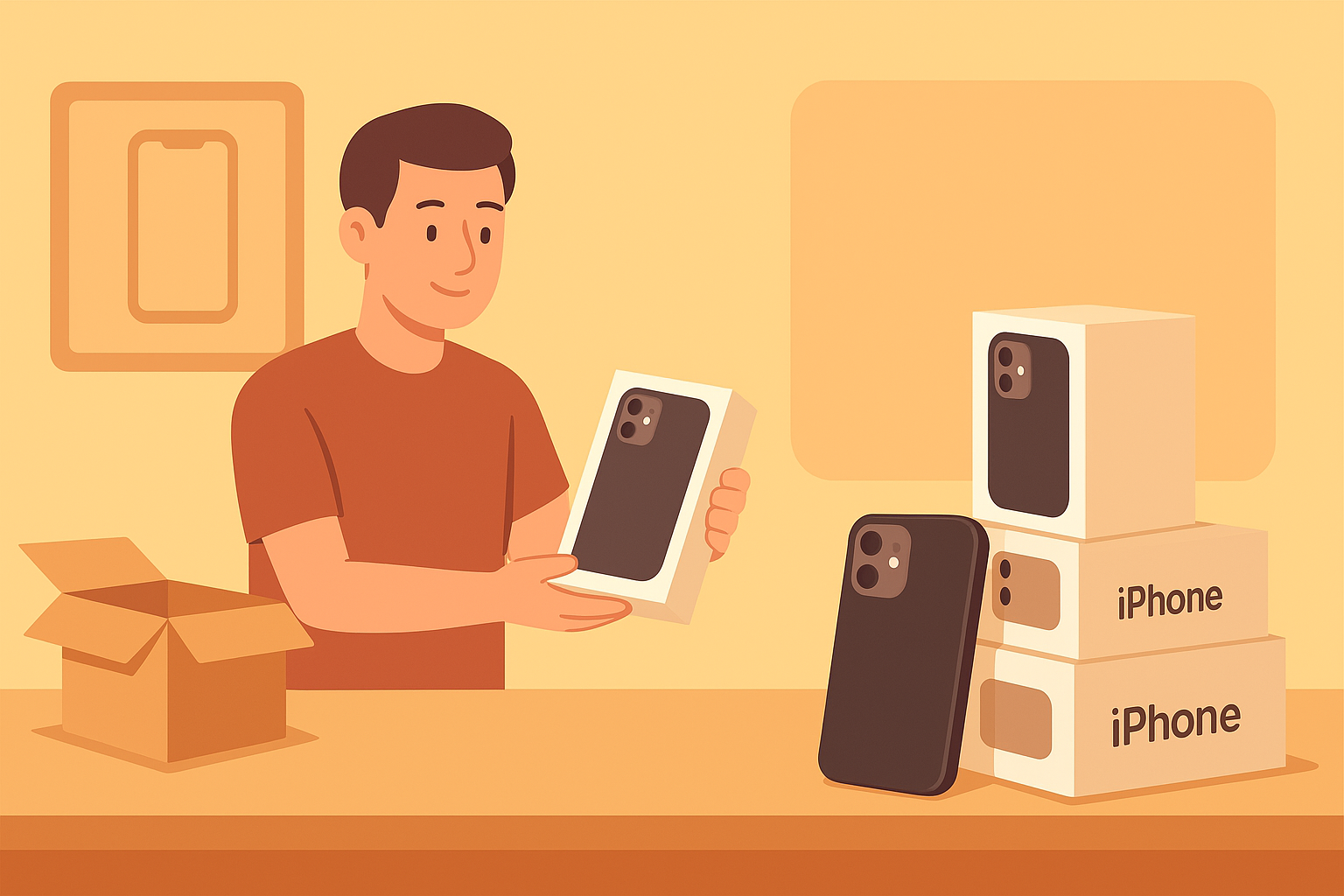
Let’s set aside the long-running iOS versus Android debate. Both platforms have loyal users, solid features, and clear advantages. Yet when it comes to resale value, customer demand, and profit consistency, iPhones operate in a category of their own.
Whether you run a retail phone store, sell devices online, or plan to enter the secondary smartphone market, understanding why iPhones dominate resale is essential. From brand recognition to long-term software support, Apple has built an ecosystem that keeps its devices desirable long after the initial purchase. This article breaks down the real reasons iPhones are easier to resell, how to position them for maximum profit, and what makes them a reliable product for both new and experienced resellers.
iPhones are not just popular devices; they are proven resale assets. Demand remains consistent year-round, pricing is more predictable than competing brands, and buyers trust the product without extensive education.
Many consumers who buy iPhones have already tried Android devices. Their preference for iOS is rarely accidental. iOS is designed to be intuitive, clean, and immediately usable out of the box. Users appreciate the consistency across models and software updates, especially those who do not want to spend time customizing settings.
For resellers, this preference matters. Buyers are less hesitant when purchasing an iPhone because they already understand how it works. This shortens sales cycles and reduces post-sale support questions, making iPhones easier to move at scale.
The iOS App Store prioritizes quality control and performance standards. Popular social, productivity, finance, and entertainment apps typically launch first—or perform better—on iOS. Buyers know this, even if they cannot articulate it technically.
From a resale perspective, this creates confidence. Customers purchasing used or refurbished iPhones are not worried about app compatibility or long-term usability. They expect the same experience they would get from a brand-new device, which helps justify higher resale pricing.
Security perception plays a major role in buying behavior. While no operating system is immune to vulnerabilities, Apple’s reputation for strict app vetting, frequent updates, and strong privacy controls influences purchasing decisions.
Consumers who use public Wi-Fi, mobile banking, or work-related apps often prefer iPhones because they believe the platform is safer. That trust directly translates into higher resale demand, especially among professionals and older buyers.
Apple does not sell phones in isolation. It sells an interconnected experience, and that ecosystem keeps customers coming back.
Users who own MacBooks, iPads, Apple Watches, or AirPods are far more likely to buy an iPhone. Features like iCloud syncing, iMessage, FaceTime, and AirDrop create a cohesive workflow that is difficult to replicate on other platforms.
This loyalty benefits resellers. Buyers upgrading within the Apple ecosystem often sell their older iPhones to fund new purchases, creating a steady supply of used devices. At the same time, new buyers actively seek iPhones to join that ecosystem, sustaining demand on both ends.
Brand recognition reduces friction in sales. When someone walks into a phone store or scrolls through listings online, iPhones are immediately identifiable. Model names are simple, branding is consistent, and Apple releases fewer variations compared to Android manufacturers.
This clarity simplifies inventory management and marketing. Customers already know what they are looking for, which makes listings easier to write and pricing easier to justify.
Depreciation is one of the biggest challenges in electronics resale. iPhones outperform nearly every competitor in this area.
Unlike many Android devices, iPhones do not come loaded with carrier-installed apps or manufacturer bloatware. This results in a cleaner user experience and fewer performance issues over time.
For resellers, this means fewer complaints, fewer returns, and higher satisfaction rates. Devices feel “newer” for longer, even after years of use.
Apple supports older iPhone models with iOS updates for five to seven years. This extended lifecycle significantly increases resale value because buyers know the device will continue to receive security patches and feature updates.
Older iPhones remain viable options for budget-conscious customers, students, and secondary device buyers. As a reseller, this gives you more flexibility to source and sell multiple generations profitably.
Because demand is consistent and depreciation is slower, iPhones command higher secondhand prices. Even models that are several years old retain meaningful resale value when kept in good condition.
This stability allows resellers to forecast margins more accurately, especially when sourcing inventory in bulk or through trade-in programs.
Reselling smartphones is not just about hardware. It is about predictability, trust, and customer behavior.
Many buyers intentionally look for used or refurbished iPhones to save money without sacrificing quality. This is especially true for parents buying phones for children, small business owners, and international buyers.
Android devices, while plentiful, face oversaturation. With dozens of manufacturers and hundreds of models, buyers often hesitate due to confusion or lack of familiarity. iPhones avoid this problem entirely.
If you are planning to scale, consistency matters. iPhones simplify sourcing, grading, pricing, and sales processes. That is why many entrepreneurs who start a cellphone business prioritize Apple devices as their primary inventory.
This focus reduces operational complexity and increases overall profitability.
Finding reliable inventory is just as important as selling it.
Wholesale sourcing allows resellers to maintain healthy margins while scaling volume. Understanding grading standards, carrier lock status, and IMEI verification is critical when purchasing in bulk. Many successful sellers begin by learning how to evaluate suppliers and pricing structures before committing capital.
Trade-ins provide a steady supply of devices with minimal competition. Customers upgrading to newer models are often willing to sell older phones at fair prices, especially if the process is convenient.
Local sourcing through buyback programs, classified listings, and walk-in customers can complement wholesale inventory and improve margins.
Reselling iPhones can evolve from a side hustle into a full-time operation when approached strategically.
Buyers are informed. Transparent pricing based on condition, storage capacity, and carrier compatibility builds trust. Competitive pricing paired with clear product descriptions reduces negotiation friction and speeds up sales.
Satisfied buyers often return for future purchases or referrals. This is particularly common among customers upgrading within the Apple ecosystem. Many long-term sellers build loyalty by educating buyers, offering basic warranties, and maintaining consistent inventory quality, all core principles behind becoming a successful cell phone reseller.
Once processes are standardized, scaling becomes easier. iPhones allow for repeatable workflows, predictable demand, and reliable margins—three factors essential for long-term growth.
Become a JNA Dealer & Sell Wholesale Cellphone Products
See the products and features that you can sell as a JNA Authorized Agent.
Learn More
iPhones are not just popular; they are dependable resale assets. Their strong brand recognition, extended software support, clean user experience, and loyal customer base make them uniquely suited for resale businesses of any size.
Whether you are selling a handful of devices per month or managing large-scale inventory, iPhones offer consistency, profitability, and long-term demand that few products can match. In a crowded smartphone market, Apple devices continue to stand out—not just for users, but for resellers who understand their value.
Comcast Business vs Residential Internet (2026 Guide)
Mar 13, 2026
Cheap Franchise Guide: Start a Business on a Budget
Mar 12, 2026

7 Best Finance Apps to Manage Money Smarter in 2026
Mar 11, 2026
10 Smart Marketing Strategies for a Cell Phone Business
Mar 10, 2026
Fix Comcast Business Installation Issues Fast
Mar 9, 2026

10
Mar, 2026
CELL PHONE BUSINESS
The mobile phone market continues to grow rapidly, and with that growth comes intense competition....
2
Mar, 2026
BUY PHONES IN BULK
The resale market for used smartphones is stronger than ever. Rising device prices, growing environmental...
2
Feb, 2026
CELL PHONE BUSINESS
Running a successful cell phone store today requires more than just stocking the latest devices....