DEALER
Telecom Lead Management: Follow Up Without Losing Sales
Telecom lead management is the process of organizing, qualifying, contacting, and following up with potential...
Learn More

 May 7, 2026
Counterfeit products continue to flood online marketplaces, making it harder for consumers and businesses to know whether they are buying genuine items. From electronics and beauty products to automotive parts and software licenses, fake goods create financial losses, damage brand reputation, and reduce customer trust.
This is where authorized resellers play a critical role. They serve as trusted distribution partners that help manufacturers maintain quality control while giving customers confidence that every purchase is legitimate.
Whether you are a consumer searching for authentic products or a business exploring reseller opportunities, understanding how authorized resellers verify product authenticity can help you make smarter purchasing decisions.
An authorized reseller is a business or individual officially approved by a manufacturer to market and sell its products. Unlike unauthorized third-party sellers, authorized resellers work directly with brands and follow strict standards related to sourcing, inventory handling, customer support, and compliance.
Manufacturers carefully screen authorized partners before granting reseller status. This process helps ensure that only trusted sellers represent the brand in the marketplace.
Businesses interested in entering this space often begin by learning the full process of how to become an authorized dealer while meeting supplier requirements and compliance standards.
Consumers today are more cautious about where they shop. Fake products have become increasingly sophisticated, making it difficult to distinguish authentic items from counterfeit versions.
Buying counterfeit products can lead to several problems, including:
Poor product performance
Safety risks
No manufacturer warranty
Lack of customer support
Financial loss
Damaged business reputation
For manufacturers, counterfeit goods can significantly impact revenue and weaken consumer trust. Authorized resellers help reduce these risks by maintaining a secure and transparent distribution chain.
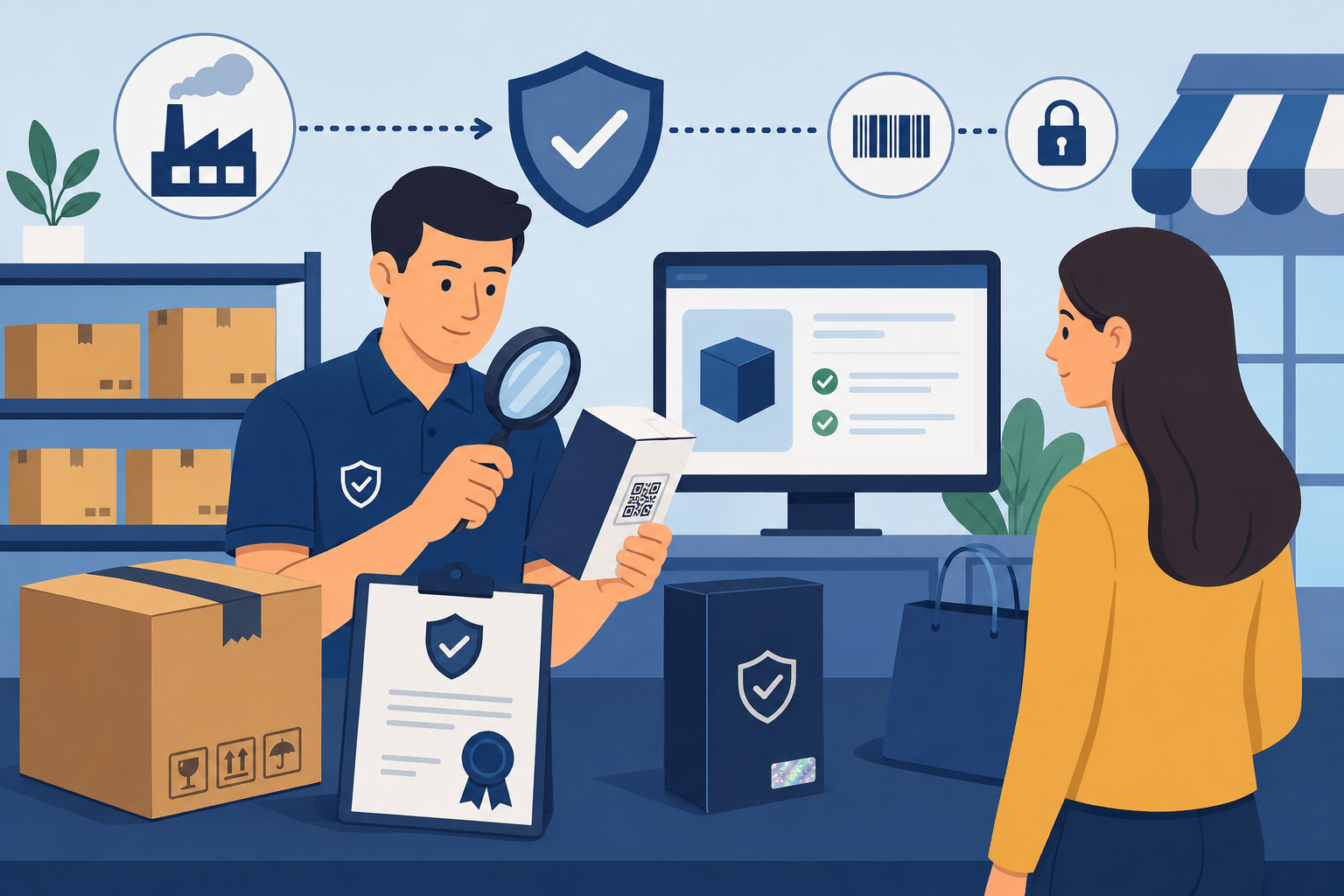
Authorized resellers follow strict processes designed to prevent counterfeit products from entering the supply chain. These measures protect both consumers and manufacturers while maintaining product integrity.
One of the biggest advantages of buying from an authorized reseller is that products come directly from the manufacturer or approved distributors.
This direct relationship eliminates questionable sourcing practices that are common with unauthorized sellers. Products move through verified channels, reducing the chances of counterfeit inventory entering the market.
Because authorized resellers operate within approved distribution networks, manufacturers can monitor product movement more effectively and ensure that customers receive genuine merchandise.
Inventory control is another essential part of maintaining authenticity.
Authorized resellers typically use advanced inventory tracking systems that monitor products from shipment to delivery. Every item is recorded, verified, and documented throughout the supply chain.
These systems often include:
SKU tracking
Barcode verification
Batch monitoring
Serial number documentation
Shipment auditing
This level of oversight helps detect irregularities quickly and prevents fake products from being mixed into inventory.
A reseller certificate serves as proof that a business has authorization to sell a manufacturer’s products legally and legitimately.
Customers and suppliers often rely on these certifications to confirm reseller status before making purchases or entering partnerships.
Understanding why a reseller certificate matters for authorized sellers can help businesses build stronger credibility while operating within manufacturer guidelines.
These certificates also help manufacturers maintain tighter control over who represents their brand in the market.
Authorized resellers are often required to complete training programs provided by manufacturers.
This training ensures that sales teams understand:
Product specifications
Warranty policies
Security features
Authentication methods
Brand standards
Well-trained resellers are better equipped to identify counterfeit products and educate customers about authentic merchandise.
This expertise also improves customer experience because buyers receive accurate product information and proper support before and after a purchase.
Many manufacturers include built-in security features to help verify authenticity.
Authorized resellers are trained to inspect and validate these identifiers before products reach customers.
Common authentication tools include:
Manufacturers assign unique serial numbers to genuine products. These identifiers help track production and verify authenticity.
Some brands allow customers to scan QR codes that link directly to manufacturer databases for verification.
Tamper-resistant holograms are commonly used to prevent product duplication and packaging fraud.
Specialized seals and packaging designs make it easier to identify whether products have been altered or replaced.
Authorized resellers understand how to inspect these features carefully before selling products to consumers.
Many consumers are tempted to purchase products from unauthorized sellers because prices may appear lower. However, these purchases often carry significant risks.
Unauthorized sellers may source products from unknown suppliers, liquidation channels, or counterfeit manufacturers.
Without manufacturer oversight, there is no guarantee that the products are genuine.
Most manufacturers only honor warranties for products purchased through authorized channels.
If you buy from an unauthorized seller, warranty claims may be denied entirely.
Authorized resellers receive official support and training from manufacturers. Unauthorized sellers usually cannot provide the same level of assistance.
This becomes especially problematic when customers need technical support, repairs, or replacement parts.
Counterfeit electronics, medical devices, automotive parts, and cosmetic products can pose serious safety risks.
Because authorized resellers follow approved sourcing standards, customers can trust that products meet manufacturer quality and safety requirements.
Authorized reseller programs do not only protect consumers. They also help manufacturers maintain stronger brand control and long-term market stability.
When customers consistently receive authentic products and reliable support, trust in the brand grows naturally.
Authorized resellers help maintain this positive customer experience.
Manufacturers often establish pricing guidelines for authorized partners. This helps prevent destructive price competition and protects perceived product value.
Customers who buy authentic products from trusted sellers are more likely to become repeat buyers.
Reliable service, warranty support, and product quality contribute to higher satisfaction rates.
By limiting product access to approved sellers, manufacturers can better monitor the supply chain and reduce counterfeit activity.
Consumers can take several steps to confirm whether a reseller is legitimate.
Most manufacturers maintain a public directory of authorized resellers and dealers.
Before making a purchase, verify that the seller appears on the manufacturer’s official list.
Authorized sellers often display reseller certificates or partnership badges on their websites and marketing materials.
If a seller cannot provide manufacturer warranty coverage, that may be a warning sign.
Prices that seem unusually low compared to market value can indicate counterfeit or unauthorized inventory.
Authorized resellers typically offer knowledgeable customer service and product expertise that unauthorized sellers cannot match.
Businesses interested in becoming authorized resellers must typically complete a formal approval process.
Requirements vary by manufacturer, but common steps include:
Registering a business
Obtaining resale permits
Meeting sales requirements
Demonstrating industry experience
Following branding guidelines
Maintaining inventory standards
Companies that want long-term success in the reseller industry often invest time in learning an effective reseller business growth strategies that improve customer trust and supplier relationships.
As ecommerce continues to expand, counterfeit products have become more difficult to control. Online marketplaces allow unauthorized sellers to reach customers quickly, making authenticity verification increasingly important.
Authorized resellers now play a larger role than ever in protecting supply chains and preserving consumer confidence.
Manufacturers are also investing more heavily in reseller programs, authentication technologies, and distribution monitoring systems to combat counterfeit activity worldwide.
For consumers, this means that choosing authorized sellers is no longer just a recommendation. It is one of the safest ways to ensure product quality, warranty protection, and long-term reliability.
Trust remains one of the most valuable assets in any business relationship.
Authorized resellers earn that trust by consistently providing:
Genuine products
Reliable warranties
Verified sourcing
Expert customer support
Safe purchasing experiences
Access to the newest product releases
These benefits create a better overall buying experience while reducing the risks associated with counterfeit goods.
For businesses, becoming an authorized reseller can also strengthen credibility, improve supplier relationships, and create long-term revenue opportunities.
Authorized resellers are essential to maintaining product authenticity in today’s increasingly complex marketplace. Through direct manufacturer partnerships, strict inventory controls, reseller certifications, product training, and authentication systems, they help protect consumers from counterfeit products while supporting brand integrity.
Choosing an authorized reseller gives customers peace of mind that they are purchasing genuine products backed by official warranties and manufacturer support.
For businesses exploring reseller opportunities, building strong supplier relationships and following approved distribution practices can create a solid foundation for long-term success.
As counterfeit products continue to evolve, authorized resellers will remain one of the most important safeguards for both consumers and manufacturers alike.
An authorized reseller has official approval from the manufacturer to sell genuine products. Unauthorized sellers do not have a direct partnership with the brand and may sell counterfeit or unsupported products.
Yes. Products purchased from authorized resellers typically include full manufacturer warranty coverage and support services.
You can check the manufacturer’s official website for a list of approved sellers or ask the reseller for proof of authorization and reseller certification.
Not necessarily. While prices may sometimes be slightly higher than unauthorized listings, customers receive genuine products, warranty protection, and reliable support.
Manufacturers use reseller programs to protect brand reputation, maintain pricing standards, improve customer experience, and reduce counterfeit distribution.
Yes. Many manufacturers work with small businesses if they meet licensing, compliance, and operational requirements.

Telecom Lead Management: Follow Up Without Losing Sales
Oct 19, 2026

Franchise Law Basics: What Every Owner Should Know
Oct 16, 2026

How Cox Business Products Help Dealers Drive Growth
Oct 15, 2026

7 Reasons to Become a Vivint Authorized Reseller
Oct 14, 2026

Why Become an Internet Provider Dealer? 7 Key Benefits
Oct 13, 2026

19
Oct, 2026
DEALER
Telecom lead management is the process of organizing, qualifying, contacting, and following up with potential...
13
Oct, 2026
DEALER
Becoming an internet provider dealer can be an opportunity to build a business around services...

2
Oct, 2026
DEALER
Dealer programs give businesses a practical way to sell products or services while benefiting from...