HOME SECURITY
Practical Ways to Market Your Business Online
Marketing your business online is no longer optional—it’s a fundamental part of modern growth. Whether...
Learn More


 June 3, 2024
Before buying a smartphone, whether it’s a used phone or brand new, pay attention to the sales representative at the store and shop around to get hands-on experience with various models. Bring along a professional friend or family member if you don’t know anything about specifications. With more people who shop at home online, you can still get tips from forums, and reviews.
Operating System
You’ll get the newest update of iOS if you buy an iPhone, but this isn’t always the case for Android phones. Since manufacturers frequently layer their own user interfaces on top of Android, getting the most recent updates will take some time. Future Android versions will not be available when they are released, or may not be available at all if the manufacturer chooses not to update. Only Google’s stock Android phones, including the Pixel 5, are guaranteed to receive regular and timely Android updates. Android 11 is the most recent edition to look for. Always try to get the most recent version available.
Related:
How To Buy Wholesale iPhones in Bulk?
Why Android Phones Are More Popular than iPhone Devices?
Design
Pick it up and try it out if you want anything you can use it one-handed. Glass is used on the front and back of many phones these days, making them delicate and prone to scratches. Test that the fingerprint sensor is in a convenient location for you — many phones have the sensor on the back instead of the front. It is important that the design you choose looks and feels good to you.
Camera
Over the past few years, smartphone cameras have vastly improved. The options can be overwhelming, but keep in mind that good camera output is about far more megapixels. If you have the opportunity to try the phone out for yourself, do so, but reviews may also provide valuable information.
Display
You’ll be staring at the screen for a long time, so make sure it’s the right size for you and has a good res. If the phone has a modern 18:9 aspect ratio, we suggest a minimum of full HD, which is 1920 x 1080 pixels, or even 2160 x 1080 pixels. Anything with a resolution of 1080p or higher would suffice. In terms of the underlying technology, OLED displays have greater contrast and darker blacks than LCD screens, which is why we prefer them. AMOLED screens are used on some Apple iPhone and Samsung Galaxy models, but they can be costly.
Battery Life
Since removable batteries are becoming increasingly rare, you’ll need a phone that can keep pace with everyone. In ratings, look for a consensus on battery life. The mAh rating will give you a rough idea, but the capacity is also determined by the resolution, screen size, and software, so be aware of these.
Related: How to check the battery health of your Android phone?
Performance
The processor and the RAM will play a significant role in this. The processor is the most important factor to consider, and newer processors are usually faster and use less power. The A-series chipset from Apple typically outperforms the competition. Qualcomm Snapdragon 865 Plus is the latest top-of-the-line processor for Android phones. It’s questionable how much RAM you need in a device, but at the very least, for Android models, we suggest aiming for at least 4GB. However, this does not apply to iPhones because they have a different memory management system and needed less RAM. If you’re not sure, read reviews or try out if your friends have it before buying a smartphone.
Bloatware
Keep an eye out for bloatware or features that are restricted, especially on Android phones. Carriers can sometimes disable such features or alter default settings. Many unnecessary applications are installed by carriers and suppliers, and you might not be able to remove them.
Storage
The majority of today’s smartphones come with sufficient room for your files. You could run out of space disturbingly quickly when 16GB phones were popular. A minimum of 32GB is recommended, though 64GB is preferable. How you use your phone has a big impact. If you want to load your music or photo collection, you’ll obviously need more space. A MicroSD card slot helps you to efficiently extend your storage capacity. MicroSD card slots, on the other hand, are only found in a few Android devices since Apple never requires them.

How to Verify a Telecom Dealer Before You Partner
Mar 27, 2026

How to Run a Successful Franchise Without Guesswork
Mar 20, 2026
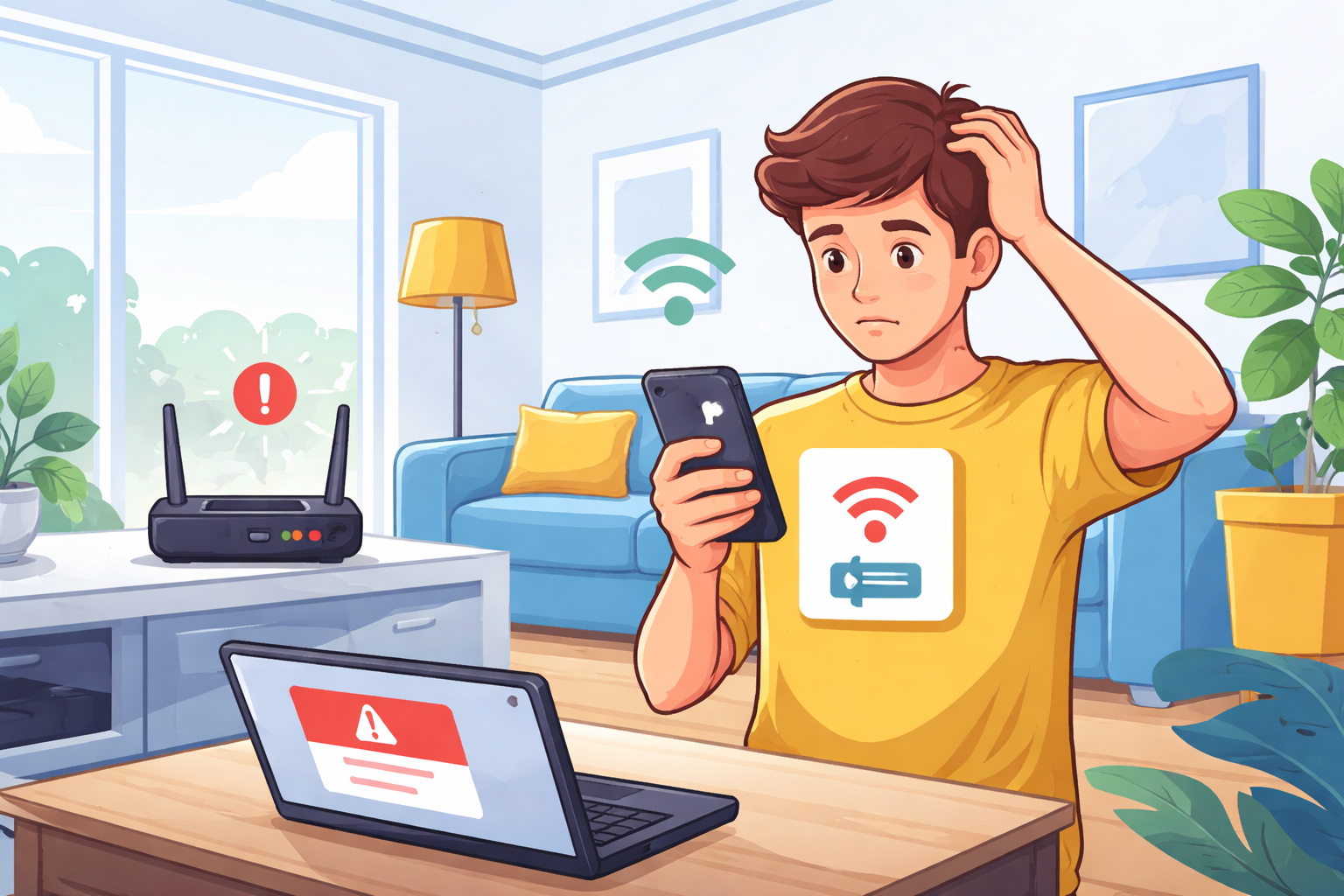
Fix WiFi Sign-In Issues on Android (2026 Guide)
Mar 18, 2026
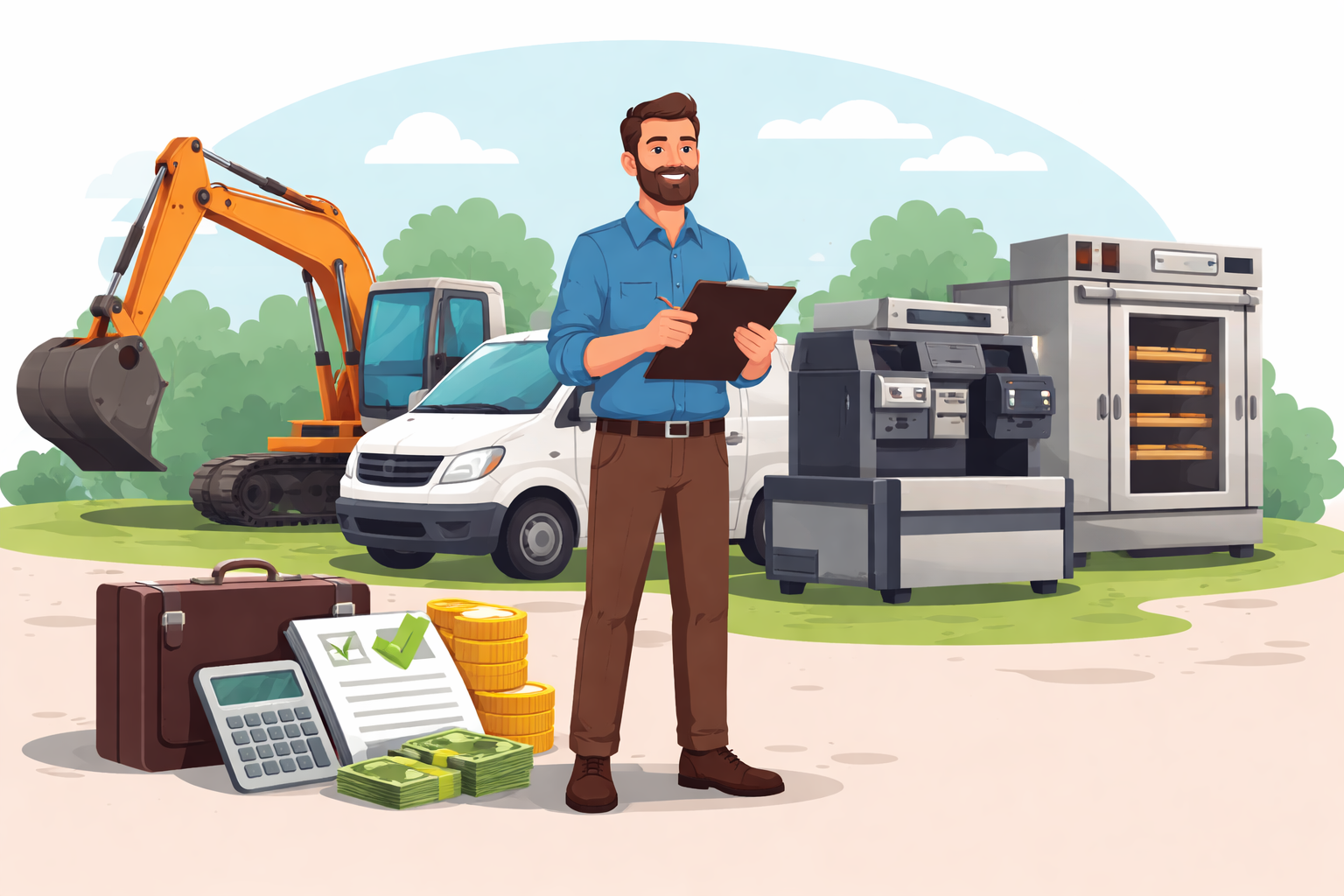
Equipment Loans: Smart Funding or Costly Mistake?
Mar 17, 2026

5G / 6G: What Dealers Must Prepare For
Mar 16, 2026


4
Mar, 2026
HOME SECURITY
Marketing your business online is no longer optional—it’s a fundamental part of modern growth. Whether...

20
Feb, 2026
HOME SECURITY
In an increasingly competitive business environment, companies are under constant pressure to operate more efficiently...
18
Feb, 2026
HOME SECURITY
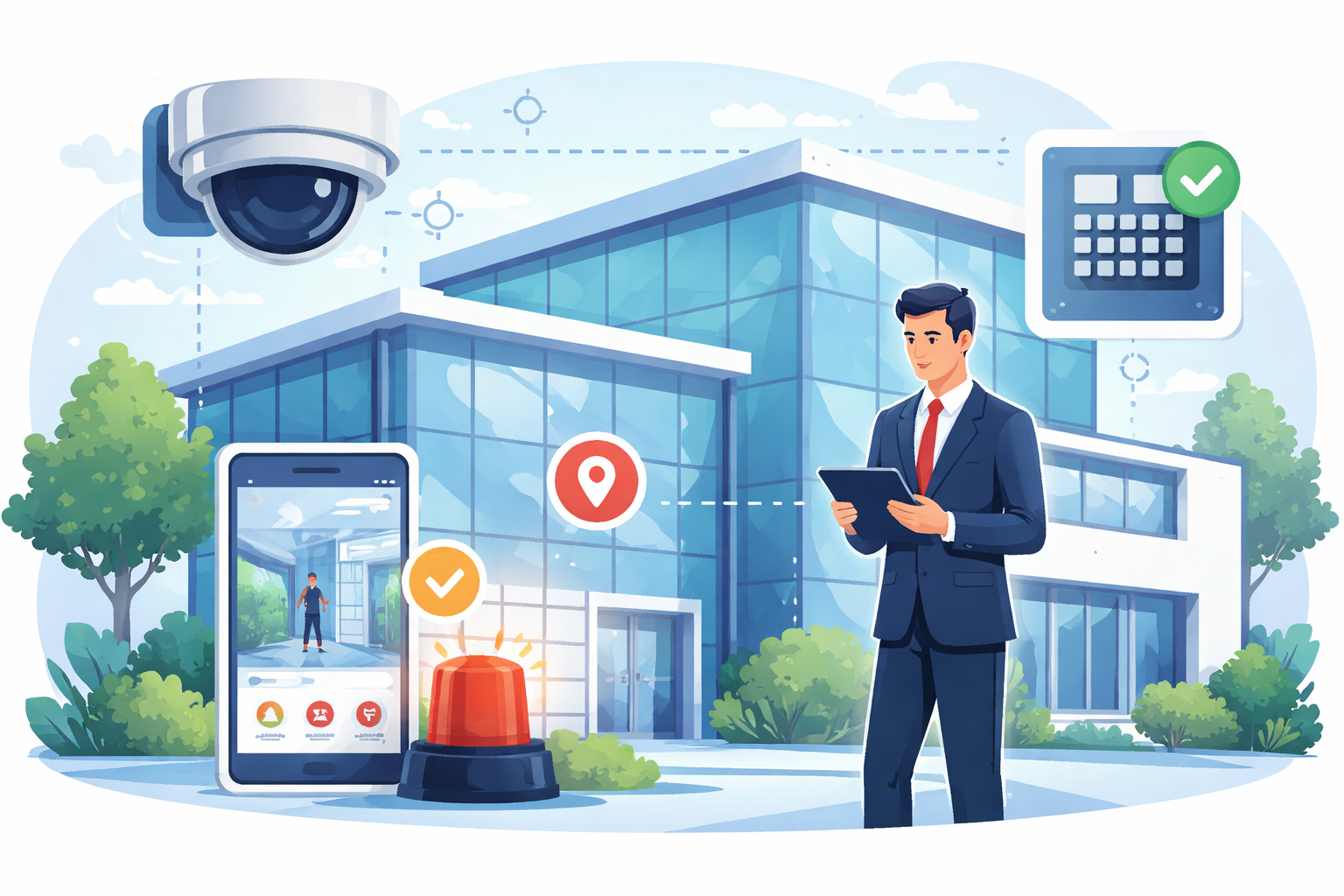
Business security has moved far beyond traditional alarm systems and basic CCTV cameras. Today’s smart...