FINANCE
Simple Ways to Make Customers Feel Welcome Everywhere
Businesses today operate in a competitive environment where customer experience often determines success. Whether someone...
Learn More

 February 19, 2026
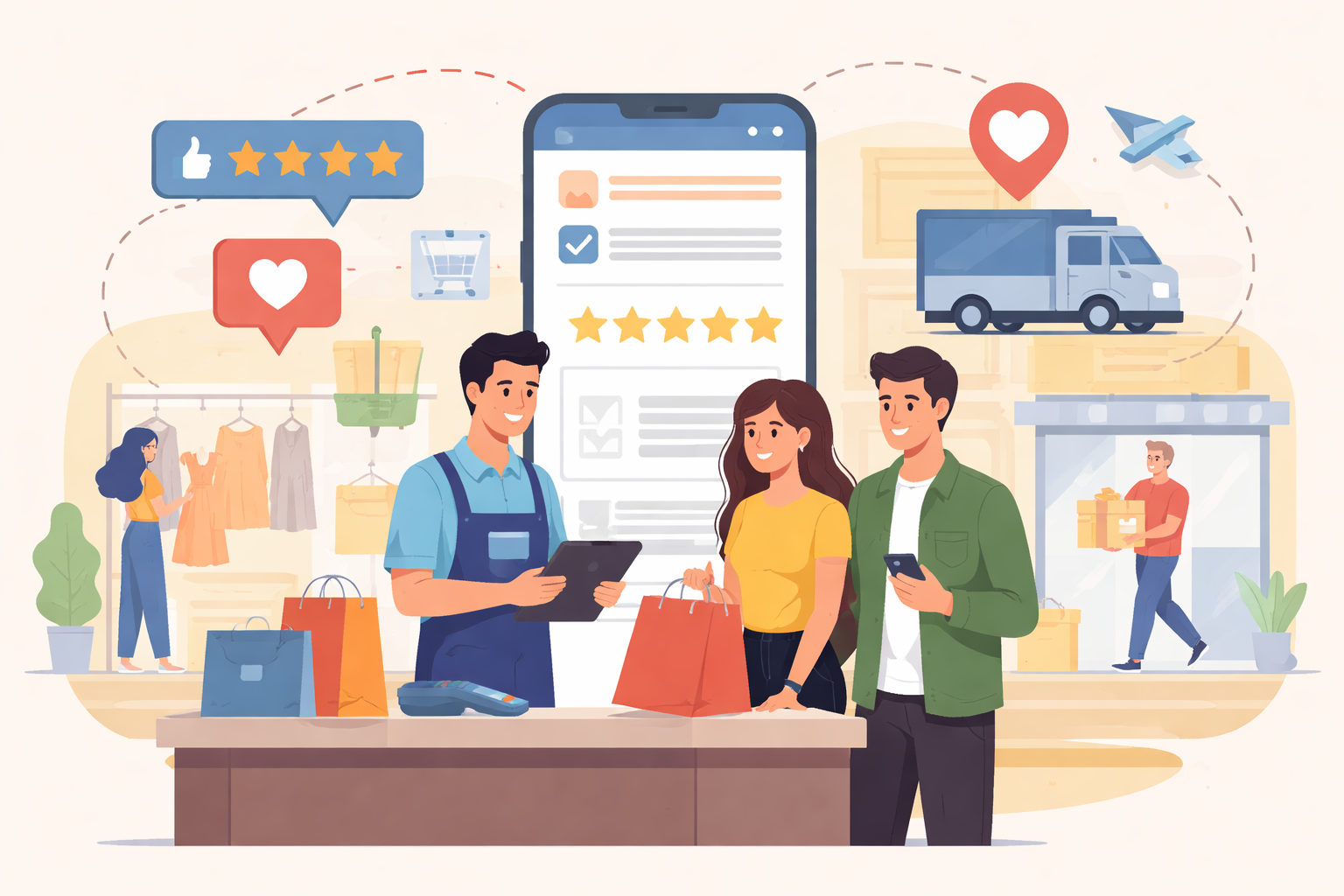
Customer experience has become the defining factor in modern retail success. With increased competition, higher customer expectations, and the rapid growth of eCommerce, shoppers now evaluate brands based on how they feel—not just what they buy.
Retailers that prioritize seamless, personalized, and responsive experiences consistently outperform those that focus solely on price or product. From faster delivery to transparent communication, every interaction shapes perception, loyalty, and long-term revenue.
In this article, we’ll break down the real reasons customer experience matters in retail, the most common operational challenges businesses face, and how to build a strategy that drives retention and growth.
Retail operations are more complex than ever. Supply chains are tighter, customer expectations are higher, and competition is only one click away.
Even today, delayed deliveries remain one of the biggest threats to customer satisfaction.
When orders arrive late, customers don’t just blame logistics—they associate the delay with your brand. A single poor delivery experience can result in negative reviews, refund requests, or lost repeat business.
Retailers must focus on:
Accurate delivery timelines
Real-time order tracking
Reliable logistics partners
Without these, even strong marketing efforts can fall apart at the fulfillment stage.
Fluctuating demand continues to challenge retailers across multiple industries.
Unexpected spikes in demand can quickly lead to:
Stockouts
Backorders
Pricing inconsistencies
For example, industries like electronics, home improvement, and furniture often experience unpredictable demand cycles. When pricing or availability becomes inconsistent, trust is eroded.
Retailers that invest in inventory forecasting tools and flexible supply chains are better positioned to maintain consistency and meet expectations.
Dynamic pricing can help maximize margins—but it can also confuse or frustrate customers.
If pricing changes too frequently without clear reasoning, customers may hesitate to purchase or look elsewhere.
To maintain trust:
Keep pricing transparent
Avoid drastic fluctuations
Communicate value clearly
Consistency builds credibility, and credibility drives conversions.
Customer experience is no longer a “nice to have”—it’s a primary growth driver.
Brands that deliver consistent, positive experiences benefit from:
Higher customer retention
Increased lifetime value (LTV)
Stronger brand advocacy
Better online reviews and ratings
In contrast, poor experiences lead to churn, negative feedback, and reduced visibility across search and social platforms.
Improving customer experience requires a structured, intentional approach. Below are key strategies that deliver measurable impact.
Communication is one of the most overlooked—but most powerful—tools in retail.
Customers are far more forgiving of delays or issues when they are informed early and consistently.
Best practices include:
Sending real-time updates for orders
Providing clear return and refund policies
Offering fast, human support channels
When communication is proactive, it reduces uncertainty and builds trust. Many retailers strengthen this approach by applying principles found in customer first strategies within their daily operations.
Customers remember how you treat them—not just what you sell.
Simple gestures can significantly improve brand perception:
Thank-you emails after purchase
Personalized follow-ups
Loyalty rewards or discounts
Acknowledging your customers creates a sense of connection and encourages repeat purchases.
When issues arise, a sincere apology paired with a clear resolution can turn a negative experience into a positive one.
Operational efficiency directly impacts customer experience.
Retailers should evaluate:
Order processing speed
Fulfillment workflows
Delivery performance
Outsourcing logistics or working with specialized providers can help streamline operations and reduce internal pressure.
Efficient systems allow businesses to deliver on promises—consistently and at scale. Many businesses also align fulfillment improvements with online sales performance strategies to ensure a smoother buying journey.
Today’s customers interact with brands across multiple touchpoints:
Websites
Social media
Physical stores
Mobile apps
A disconnected experience across these channels creates friction.
Retailers should aim for:
Unified branding
Consistent messaging
Integrated customer data
An omnichannel strategy ensures customers receive the same level of service—no matter where they engage.
Customer feedback is one of the most valuable assets in retail.
Use it to identify:
Pain points in the buying journey
Product or service gaps
Opportunities for improvement
Collect feedback through:
Surveys
Reviews
Support interactions
Then, act on it. Customers notice when businesses listen—and improve.
Failing to prioritize customer experience can have long-term consequences.
Retailers may face:
Decreased customer loyalty
Lower conversion rates
Negative online reputation
Increased acquisition costs
In competitive markets, customers have endless alternatives. One poor experience is often enough to lose them permanently.
To stay competitive, retailers must build systems that are flexible, scalable, and customer-focused.
Key areas to invest in include:
Automation tools for order management
AI-driven personalization
Predictive inventory systems
Fast and reliable logistics networks
Retail is evolving quickly. Businesses that adapt their customer experience strategy will continue to grow—while those that don’t risk falling behind.
Customer experience is the foundation of modern retail success.
It influences how customers perceive your brand, whether they return, and how they talk about your business to others.
By focusing on communication, operational efficiency, and personalization, retailers can create experiences that not only satisfy customers—but turn them into loyal advocates.





How to Run a Successful Franchise Without Guesswork
Mar 20, 2026

Fix WiFi Sign-In Issues on Android (2026 Guide)
Mar 18, 2026

Equipment Loans: Smart Funding or Costly Mistake?
Mar 17, 2026

5G / 6G: What Dealers Must Prepare For
Mar 16, 2026

Comcast Business vs Residential Internet (2026 Guide)
Mar 13, 2026


6
Mar, 2026
FINANCE
Businesses today operate in a competitive environment where customer experience often determines success. Whether someone...
12
Feb, 2026
MARKETING
Holiday marketing campaigns are one of the most powerful revenue drivers for small businesses. From...

22
Dec, 2025
DIGITAL MARKETING
Customer retention is one of those business fundamentals everyone agrees is important—yet many companies still...