BUY PHONES IN BULK
Best Places to Sell Used Smartphones for Profit
The resale market for used smartphones is stronger than ever. Rising device prices, growing environmental...
Learn More

 June 3, 2024
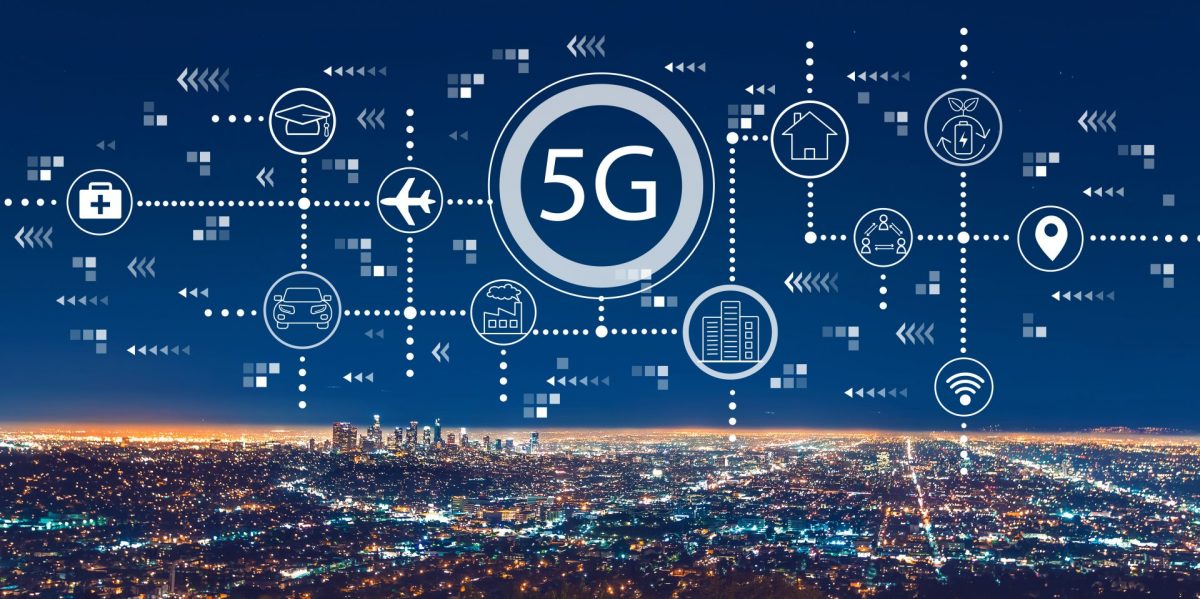
Private networks are not new, but with 5G, they are taking on a whole new shape. For its own purposes, an organization wishing to carry low latency and ultra-high-speed advantages indoors must either connect to an existing public network or create a private one.
5G blurs the line and strengthens the relationship between physical production and digital technology, especially when used in sectors such as manufacturing. The real-time data capabilities of 5G allow for next-gen applications, and it is a driving force behind the Fourth Industrial Revolution, combined with smart tech, cloud computing, and enhanced automation.
Private 5G networks are often referred to as NPNs (Non-Public Networks), identical to the 5G available globally, using the same infrastructure and having some of the same advantages. The difference is that they’re intimate, so they’re not only open to everyone.
These networks, such as schools, hospitals, factory floors and other industries or government buildings, are deployed solely for non-public use. They are self-contained and can be installed, such as inside unique buildings or factories, anywhere.
The organization does not have to wait for rollout plans to complete or contend with thousands of people clogging up the airwaves and adversely impacting the performance of the network because they are not used by the public.
There are some benefits associated with private 5G networks that are not understood by public networks. Regulated network load is the most evident. With thousands of devices vying for bandwidth, 5G that is available for all to use can get bogged down (despite 5G’s high speeds), thereby stripping valuable load from some of the more data-hungry and substantial use cases.
A factory that uses private 5G, for example, can only make it accessible for high bandwidth-demanding output or sales scenarios, or AR, VR, automation, video conferencing, security, robots, massive data transfers, analytics, sensors, etc.
A lot of the power of the network could be devoted to just a couple of items to make them all operate at optimum efficiency, something that is much more difficult to manage in a public network. Plus, since all the services required for the network are housed at one location, data does not need to traverse multiple routers.
A public network interacts publicly with its data and has to support thousands of users at one time. Using a non-public 5G network, a campus, hospital, or private enterprise could utilize edge computing to process all its data close or on-site for better security and faster communications, and maintenance can be conducted in-house with its own support team.

How to Run a Successful Franchise Without Guesswork
Mar 20, 2026

Fix WiFi Sign-In Issues on Android (2026 Guide)
Mar 18, 2026

Equipment Loans: Smart Funding or Costly Mistake?
Mar 17, 2026

5G / 6G: What Dealers Must Prepare For
Mar 16, 2026
Comcast Business vs Residential Internet (2026 Guide)
Mar 13, 2026


2
Mar, 2026
BUY PHONES IN BULK
The resale market for used smartphones is stronger than ever. Rising device prices, growing environmental...

26
Jan, 2026
BUY PHONES IN BULK
Bulk buying smartphones has become a practical strategy for retailers, resellers, organizations, and teams that...

20
Jan, 2026
BUY PHONES IN BULK
Finding cheap Android phones that deliver good performance is easier than ever. Budget smartphones have evolved beyond...