DEALER
5G / 6G: What Dealers Must Prepare For
If you sell devices, services, or run an authorized dealership, the jump from 4G to...
Learn More

 November 25, 2024
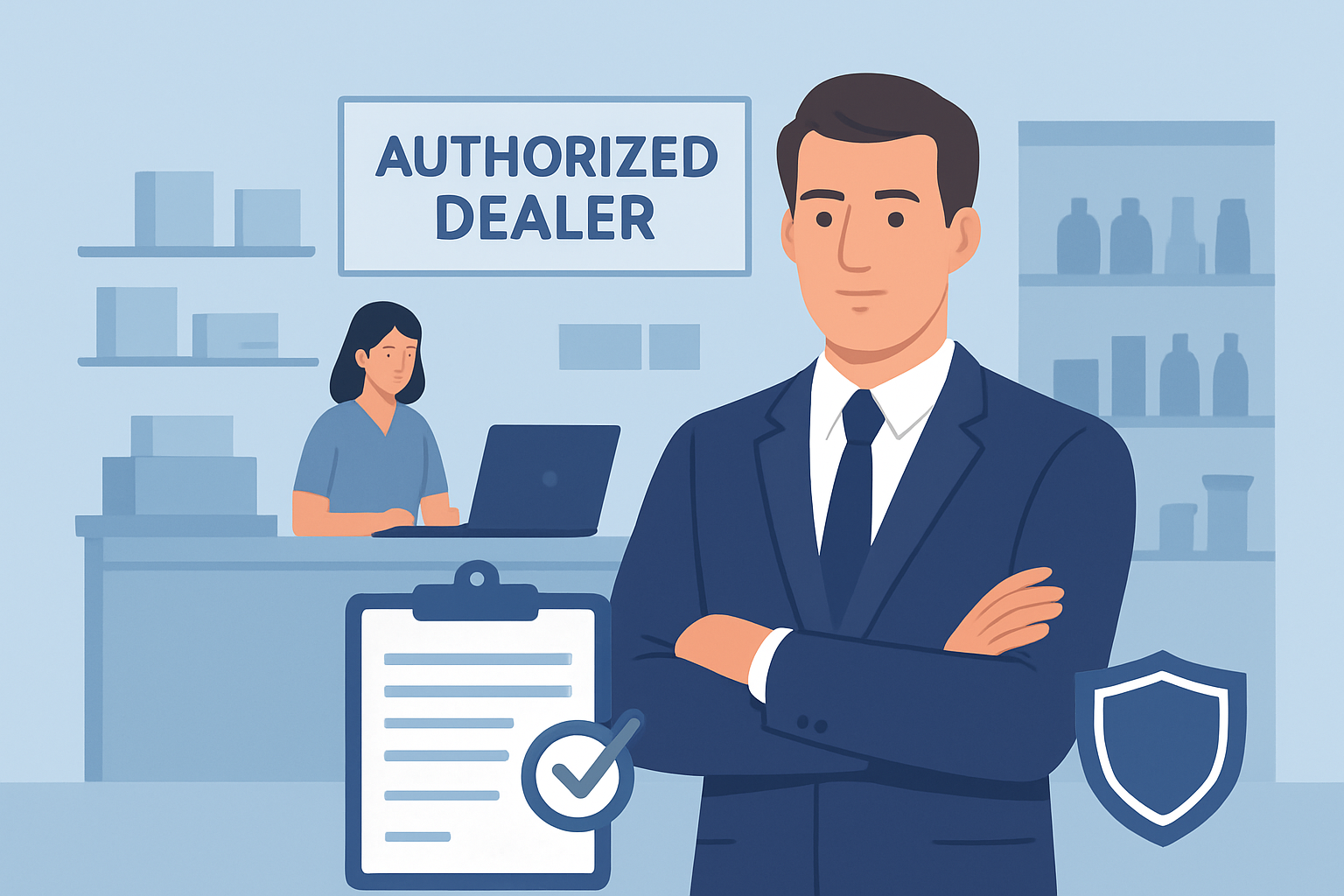
Entering an authorized dealer program is a smart way to build a business with the backing of a trusted brand. It gives you immediate access to recognized products, customer trust, and ongoing support that independent sellers rarely enjoy. But becoming an authorized dealer also comes with legal and compliance responsibilities that every business owner must understand to protect the partnership.
This comprehensive guide explains the legal expectations, industry standards, intellectual property rules, and data requirements that shape a successful dealership. Whether you’re exploring your options or already operating under a brand, this breakdown will help you stay compliant and confidently manage your dealer responsibilities.
An authorized dealer is a business that has been granted official approval by a brand to sell its products or services. This relationship is documented through a dealer agreement, which outlines your responsibilities, boundaries, and operational rules. In exchange for following these guidelines, you gain access to exclusive offerings, technical support, marketing materials, and brand credibility.
The dealer agreement is the backbone of your relationship with the brand. It dictates what you can sell, where you can sell, how you can market, and the obligations you must meet to maintain your status.
Typical dealer agreements cover:
Reviewing the agreement carefully ensures that you fully understand your obligations. Many new dealers unknowingly violate policies simply because they overlook important terms.
For additional help avoiding early issues, the common pitfalls guide explains the mistakes dealers commonly make during setup and how to prevent them.
Being an authorized dealer isn’t only about following brand rules. You must also comply with the laws and regulations of your industry and region. These may include:
Failing to follow these regulations can lead to fines, penalties, or even termination from the dealer program. Since each industry has different compliance expectations, staying educated and informed is essential.
Most dealer agreements include strict territorial rules. These boundaries prevent overlap between dealers and protect each region’s sales potential. Selling outside your assigned territory—even unintentionally—may be considered a breach of contract.
Unauthorized market expansion is one of the most common compliance issues. Always verify your boundaries before running online ads, promotions, or third-party listings.
Dealers must accurately represent the brand’s products at all times. Any misrepresentation—misleading claims, incorrect specifications, or unapproved comparisons—can damage the brand’s reputation.
Authorized dealers are expected to:
Consistent product accuracy builds trust and strengthens long-term customer relationships.
Becoming an authorized dealer can fast-track your business growth by giving you access to benefits that independent sellers don’t enjoy. These advantages include:
Customers often choose authorized dealers over generic sellers because they want authentic products and reliable service. This makes the dealership model especially strong in highly competitive markets.
Well-known brands invest heavily in their reputation, and when your business becomes part of that ecosystem, you benefit from their established credibility. This association can significantly improve your market position.
To explore how partnerships support business growth and customer trust, the partnering dealers guide offers practical insights into successful dealer-brand relationships.
Intellectual property (IP) protection is one of the most critical compliance areas for authorized dealers. Brands enforce IP rules to maintain consistent identity and prevent misuse of their creative assets.
Your dealership must follow strict guidelines regarding:
Using these assets without permission or modifying them in any way can result in legal action or termination of your contract.
Brands typically provide a complete set of marketing materials along with a style guide. This guide covers every detail of how their visual identity should appear, including image sizes, color schemes, spacing, and acceptable use cases.
Dealers must:
Consistent branding across all dealers ensures that customers experience the same quality and trust wherever they shop.
As online transactions and digital registrations continue to grow, customer data protection is now a required responsibility—not an optional one. Dealers often handle sensitive information, including names, addresses, payment details, device IDs, and warranty claims.
Depending on where you operate, you may be required to comply with:
Even in regions with less rigid laws, customers still expect transparency and protection.
Data privacy is directly connected to customer trust. When customers feel secure, they are more likely to buy from you again, refer others, and leave positive reviews. Transparent data practices also show professionalism and respect for customer rights.
Responsible data handling includes:
Dealers who prioritize data security often build stronger relationships and long-term customer loyalty.
Becoming an authorized dealer is a rewarding business opportunity, but it demands a strong understanding of legal responsibilities and compliance guidelines. From reviewing your dealer agreement to following industry regulations, respecting intellectual property, and protecting customer data, each responsibility plays a vital role in building a trustworthy dealership.
When you stay compliant, you protect your business, strengthen customer trust, and preserve your partnership with the brand—setting the foundation for long-term success in a competitive market.

How to Run a Successful Franchise Without Guesswork
Mar 20, 2026

Fix WiFi Sign-In Issues on Android (2026 Guide)
Mar 18, 2026

Equipment Loans: Smart Funding or Costly Mistake?
Mar 17, 2026

5G / 6G: What Dealers Must Prepare For
Mar 16, 2026

Comcast Business vs Residential Internet (2026 Guide)
Mar 13, 2026

16
Mar, 2026
DEALER
If you sell devices, services, or run an authorized dealership, the jump from 4G to...
3
Mar, 2026
DEALER
Getting dealers up and selling quickly is one of the highest-impact growth levers for any...

2
Mar, 2026
DEALER
Growth is a good problem to have. But when companies expand across online platforms, retail...