HOME SECURITY
Practical Ways to Market Your Business Online
Marketing your business online is no longer optional—it’s a fundamental part of modern growth. Whether...
Learn More

 January 8, 2026
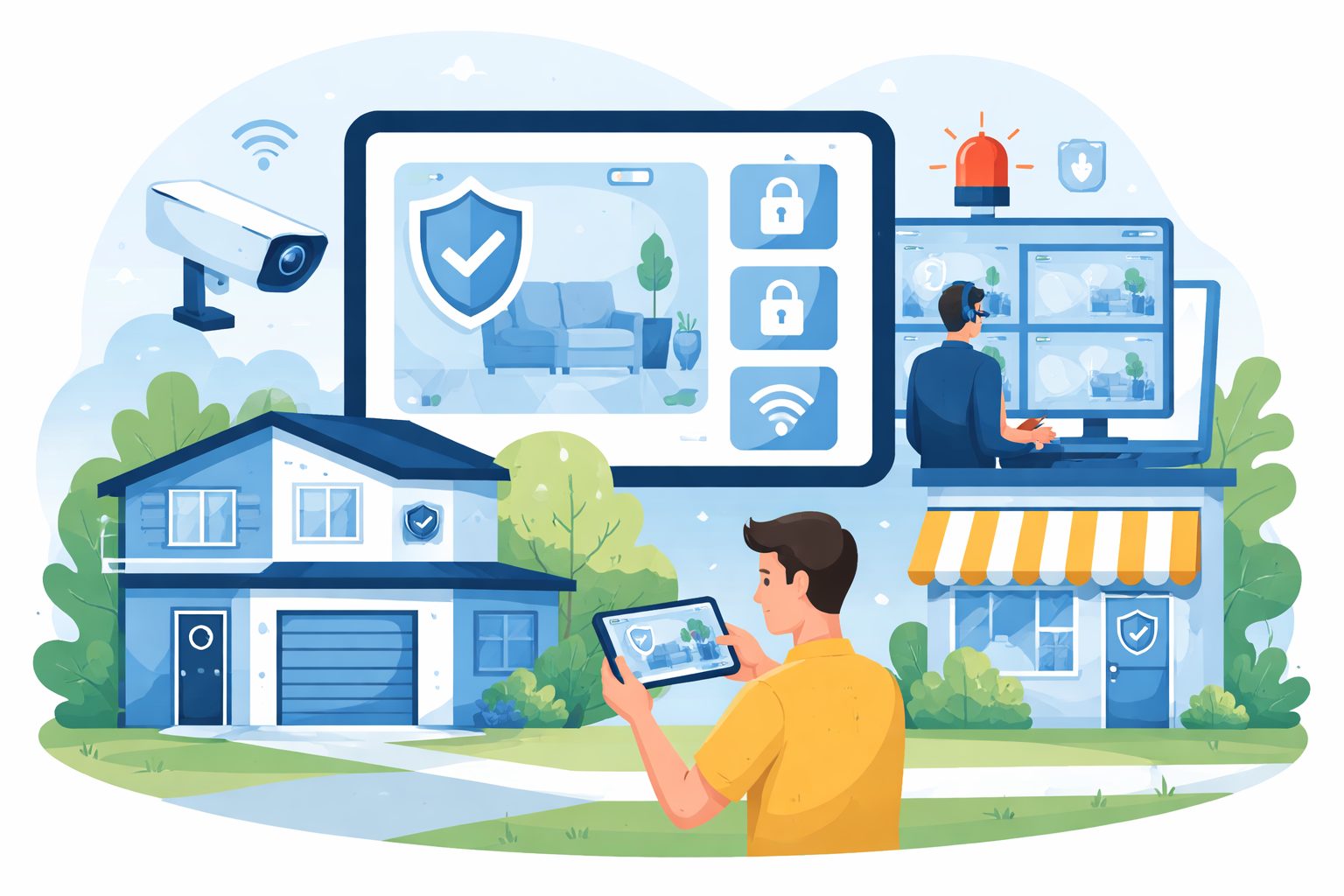
The market for selling security systems has never slowed down—it has simply evolved. Homes, retail stores, offices, and multi-location businesses still need protection, but modern buyers are far more informed and selective than they were a decade ago. They are not just purchasing alarms or cameras; they are investing in peace of mind, reliability, and long-term support.
That shift has changed how successful professionals approach security system sales. Today, consistent results come from education, trust, and strategic conversations rather than aggressive pitches. Whether you are exploring the opportunity to become an authorized reseller or refining your approach in an established operation, understanding how people buy security solutions is the difference between short-term wins and a sustainable business.
Security products continue to advance with smart integrations, mobile access, cloud-based monitoring, and flexible payment models. At the same time, buyers expect sales professionals to act more like advisors who understand their risks, property layout, and daily operations. This balance of technology knowledge and human connection defines modern success in the industry.
Despite economic cycles, security services remain essential. Crime trends fluctuate, but the need for deterrence, monitoring, and response stays constant. Residential homeowners want protection for their families, while business owners need to safeguard inventory, employees, and customer data.
Another factor driving demand is the rise of smart homes and connected workplaces. Security systems are no longer standalone products; they integrate with lighting, locks, thermostats, and mobile apps. This expands the value of each sale and creates recurring revenue opportunities through monitoring and service plans.
For resellers, this means predictable demand paired with long-term customer relationships. Clients rarely cancel security services once installed, especially when they trust the provider who set them up. That trust is built during the sales process, not after installation.
Succeeding in selling security systems and services requires a specific skill set that blends communication, technical understanding, and ethical selling practices. The most effective professionals focus on listening first and positioning solutions second.
Listening is the most underestimated skill in security sales. Many salespeople fall into the habit of overexplaining features before fully understanding the customer’s concerns. In security conversations, silence is often more valuable than talking.
When a customer explains why they are considering a system—whether it is a recent break-in, employee theft, or simple peace-of-mind—you gain insight into emotional drivers that no brochure can provide. These details shape how you position cameras, alarms, and monitoring services in a way that feels personal rather than generic.
Strong sales conversations are never improvised. Before meeting a prospect, experienced professionals prepare a list of questions that uncover priorities, budget considerations, and existing vulnerabilities.
Salespeople often stop listening because they are mentally preparing their next statement. Having questions ready allows you to stay present in the conversation and catch subtle cues that signal buying readiness or hesitation.
Open-ended questions encourage customers to speak freely and clarify what security truly means to them. Questions such as “What areas of the property concern you most?” or “How would a break-in impact your business operations?” naturally lead to deeper discussions.
These conversations help you move from selling equipment to providing a solution that aligns with real-world risks and expectations.
Experience can be a liability if it leads to assumptions. Even if you have sold similar systems hundreds of times, every property and client is different. Listening for unique motivations, objections, and priorities shortens the sales cycle and improves customer satisfaction.
When customers feel heard, they are more likely to trust your recommendations and move forward with confidence.
High-quality equipment matters, but products and services sell systems together. Customers are evaluating ease of use, reliability, installation quality, and long-term support just as much as camera resolution or sensor range.
Modern buyers want systems that are simple to operate, easy to maintain, and backed by responsive monitoring centers. They expect mobile access, alerts, and seamless integration with other smart devices. As a reseller, your ability to explain how these components work together creates perceived value beyond the hardware itself.
Support does not end after installation. Clear onboarding, follow-up communication, and service transparency significantly influence referrals and retention.
Few industries rely on trust as heavily as security. Customers are inviting you into their homes or businesses and relying on your recommendations to protect what matters most to them.
Honesty about system capabilities, limitations, and costs builds credibility. Overselling features that are unnecessary or misrepresenting coverage areas may lead to quick commissions, but it damages reputation and future revenue.
Maintaining integrity is not just ethical—it is profitable. Satisfied clients become long-term subscribers and referral sources.
Security sales are personal by nature. Finding common ground outside of business humanizes the interaction and reduces resistance. Customers are far more receptive when they see you as a knowledgeable professional rather than a transactional salesperson.
This connection does not require forced small talk. Simple awareness of a customer’s lifestyle, business model, or family situation naturally shapes a more relevant conversation.
Preparation separates top performers from average sellers. Researching a customer’s property type, business industry, or neighborhood risk profile allows you to tailor your approach before stepping through the door.
When you can explain how your solution supports their specific environment, the conversation shifts from persuasion to problem-solving. This approach aligns naturally with consultative selling and improves close rates.
Customers sense hesitation immediately. If you are not fully convinced of the value of the system you are selling, that uncertainty will undermine your pitch.
Confidence comes from product knowledge, hands-on experience, and belief in the monitoring service behind the equipment. When you trust the solution, your recommendations sound natural rather than scripted.
Becoming an authorized dealer provides access to established brands, structured support, and trusted monitoring infrastructure. This significantly reduces barriers to entry and increases credibility with potential customers.
Professionals exploring related opportunities often discover adjacent revenue streams through bundled services.
Vivint Smart Home is recognized for advanced automation and flexible payment options. Their systems integrate seamlessly with smart devices, offering homeowners intuitive control and proactive crime deterrence. Authorized dealers benefit from a strong brand reputation and a comprehensive ecosystem of equipment.
Learn more about becoming a Vivint reseller.
ADT remains one of the most recognized names in home security. Their systems support multiple connection types, including landline and broadband, and are backed by a nationwide network of monitoring centers. This reliability appeals to customers who value proven infrastructure and long-term stability.
Learn more on how to become an ADT dealer.
Selling security systems today is less about persuasion and more about precision. Buyers expect informed conversations, transparent recommendations, and solutions that align with their real-world concerns.
By focusing on listening, preparation, integrity, and genuine connection, security professionals position themselves as trusted advisors rather than vendors. Combined with reputable products and authorized dealer partnerships, this approach creates a scalable, resilient business built on long-term relationships.

How to Verify a Telecom Dealer Before You Partner
Mar 27, 2026

How to Run a Successful Franchise Without Guesswork
Mar 20, 2026
Fix WiFi Sign-In Issues on Android (2026 Guide)
Mar 18, 2026

Equipment Loans: Smart Funding or Costly Mistake?
Mar 17, 2026

5G / 6G: What Dealers Must Prepare For
Mar 16, 2026


4
Mar, 2026
HOME SECURITY
Marketing your business online is no longer optional—it’s a fundamental part of modern growth. Whether...

20
Feb, 2026
HOME SECURITY
In an increasingly competitive business environment, companies are under constant pressure to operate more efficiently...
18
Feb, 2026
HOME SECURITY
Business security has moved far beyond traditional alarm systems and basic CCTV cameras. Today’s smart...