CELL PHONE BUSINESS
How to Attract More Customers to Your Cell Phone Store
Running a successful cell phone store today requires more than just stocking the latest devices....
Learn More

 January 27, 2026
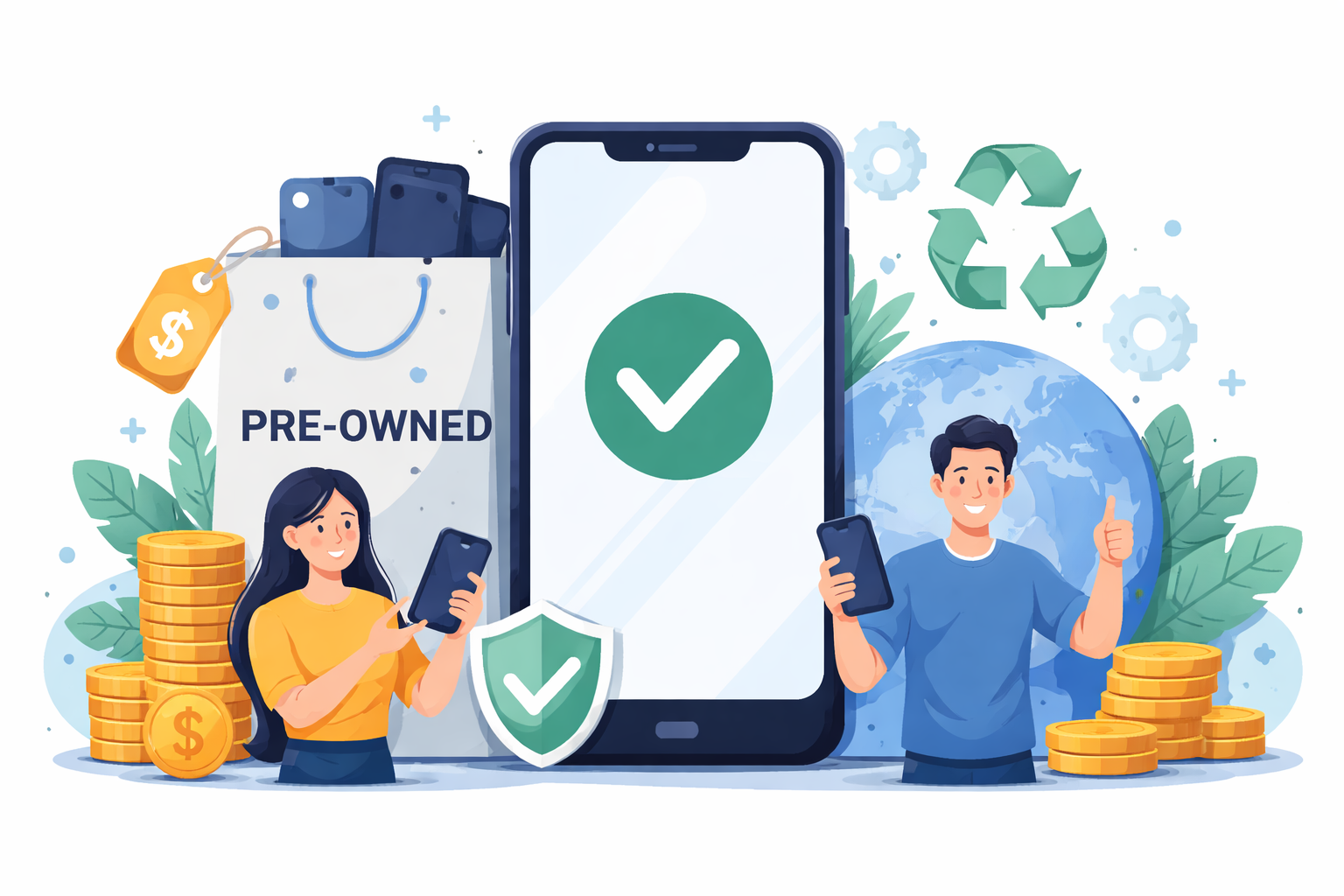
Smartphones have become essential, but their price tags keep climbing. Each new release promises incremental upgrades while demanding a premium that often feels unjustified. As a result, more consumers and businesses are rethinking their approach and choosing pre-owned phones instead.
Buying a certified pre-owned phone is no longer a compromise. It’s a practical, cost-effective decision that delivers performance, flexibility, and long-term value without the financial strain of buying brand new. Whether you’re an everyday user, a reseller, or a business managing multiple devices, pre-owned phones offer advantages that go far beyond price.
Below, we break down the most compelling reasons why purchasing a pre-owned phone is a smart move in today’s market—and why demand continues to grow.
New smartphones now launch at prices that rival laptops and home appliances. Flagship models routinely exceed four figures, often bundled with financing plans that lock buyers into long-term commitments.
For many users, these costs don’t align with actual usage. Everyday tasks like messaging, browsing, video calls, and social media rarely require the newest processor or camera upgrade. Yet consumers are expected to pay a premium for features they may never fully use.
Pre-owned phones solve this disconnect by delivering proven performance at a fraction of the cost.
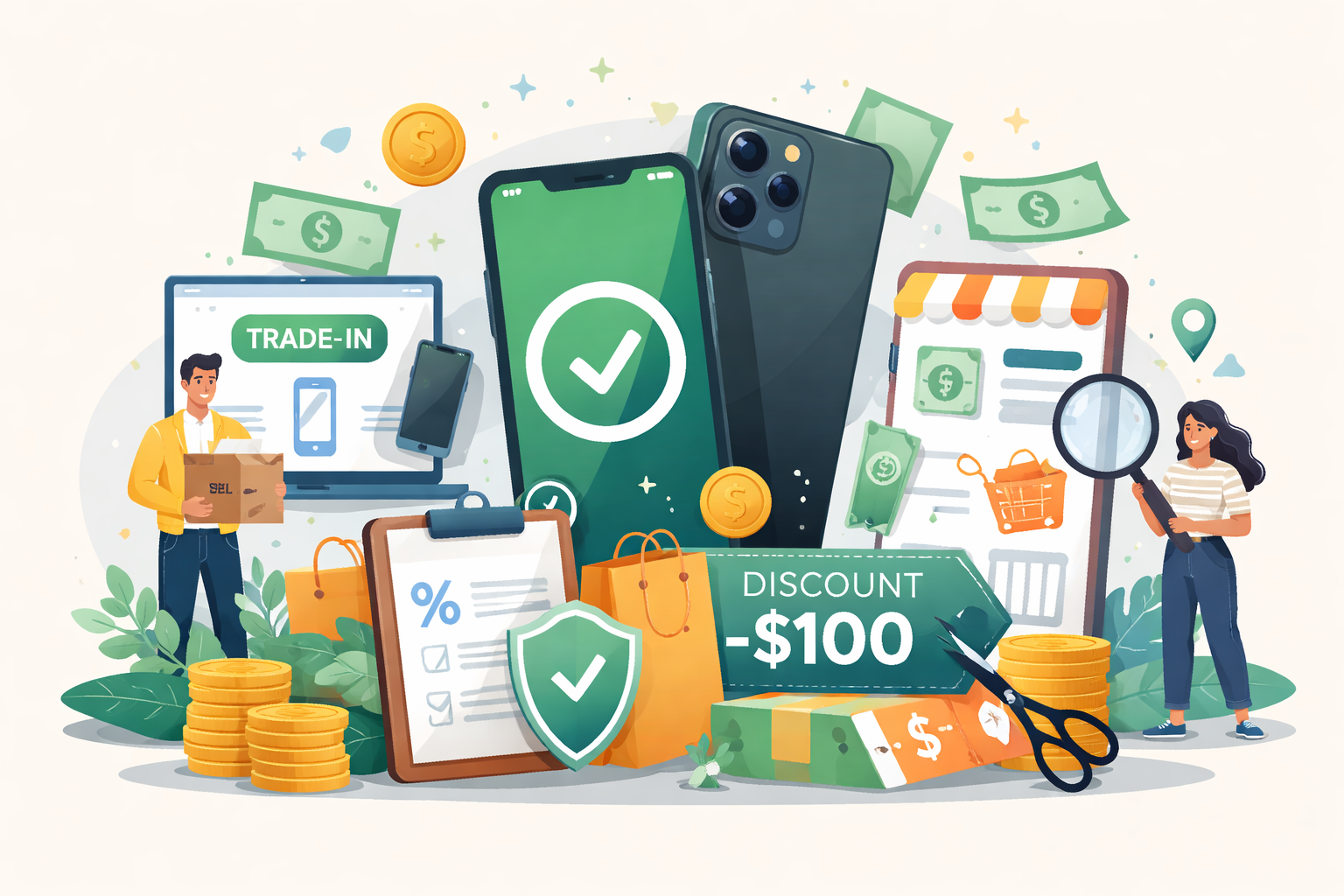
Affordability remains the strongest reason people choose pre-owned phones. A lightly used device can cost 30–70% less than its brand-new counterpart while offering nearly identical functionality.
Most smartphones peak in performance within their first few years. Buying pre-owned allows you to step into that performance window without absorbing the steep depreciation that happens immediately after launch.
When buying new, much of what you’re paying for is branding, packaging, and launch hype. Pre-owned buyers skip those inflated costs and focus purely on usability and reliability.
This value gap becomes even more attractive for families, startups, and resellers who need multiple devices without overspending.
Retailers stop carrying older models quickly, even though those phones may still outperform many new budget devices. Pre-owned markets keep these models available long after they disappear from store shelves.
If you’re looking for a specific design, size, or feature set that newer phones no longer offer, buying pre-owned is often the only option.
Higher-tier configurations with expanded storage or premium materials become far more accessible in the pre-owned market. Instead of settling for a base model new phone, buyers can often afford a higher-spec version of a previous release.
This flexibility is especially valuable for users who store large files, apps, or media libraries.
New devices are unproven in real-world conditions. Pre-owned phones, on the other hand, have already demonstrated durability and stability through everyday use.
Certified pre-owned devices undergo inspection, testing, and reconditioning to ensure they meet quality standards. Any defective components are identified early, not after purchase.
Manufacturing defects tend to surface early in a device’s lifecycle. With pre-owned phones, those issues have either already been resolved or filtered out entirely.
This makes a properly refurbished device a lower-risk purchase than many people assume.
Electronic waste is one of the fastest-growing global waste streams. Millions of phones are discarded each year, many of which still function or need only minor repairs.
By extending a phone’s lifespan, pre-owned buyers help reduce landfill waste and slow the demand for new manufacturing.
Producing a new smartphone requires significant raw materials, energy, and water. Mining rare earth metals, manufacturing components, and global shipping all contribute to environmental impact.
Choosing a pre-owned phone minimizes this footprint by maximizing the value of resources already used.
Pre-owned phones are consistently in demand across local and international markets. Consumers want affordable devices, and businesses want reliable inventory with healthy margins.
Lower price points mean faster sales cycles. Pre-owned devices move quickly, especially when priced competitively and verified for quality.
This speed reduces holding costs and improves cash flow for small and mid-sized sellers.
Top-tier phones age well. A flagship device from two or three years ago often outperforms many new mid-range models.
Buying pre-owned allows you to access premium cameras, displays, processors, and materials without paying premium prices.
Instead of spending your budget on a stripped-down new phone, you can often afford a feature-rich pre-owned model with better build quality and performance.
This trade-off consistently favors informed buyers.
Businesses managing teams, drivers, or field workers often need reliable phones at scale. Pre-owned devices make bulk purchasing far more economical.
Companies can standardize devices without tying up capital in depreciating assets.
Phones get lost or damaged. Replacing a pre-owned device is far less disruptive financially than replacing a brand-new flagship.
This makes pre-owned phones ideal for environments where durability and cost control matter more than novelty.
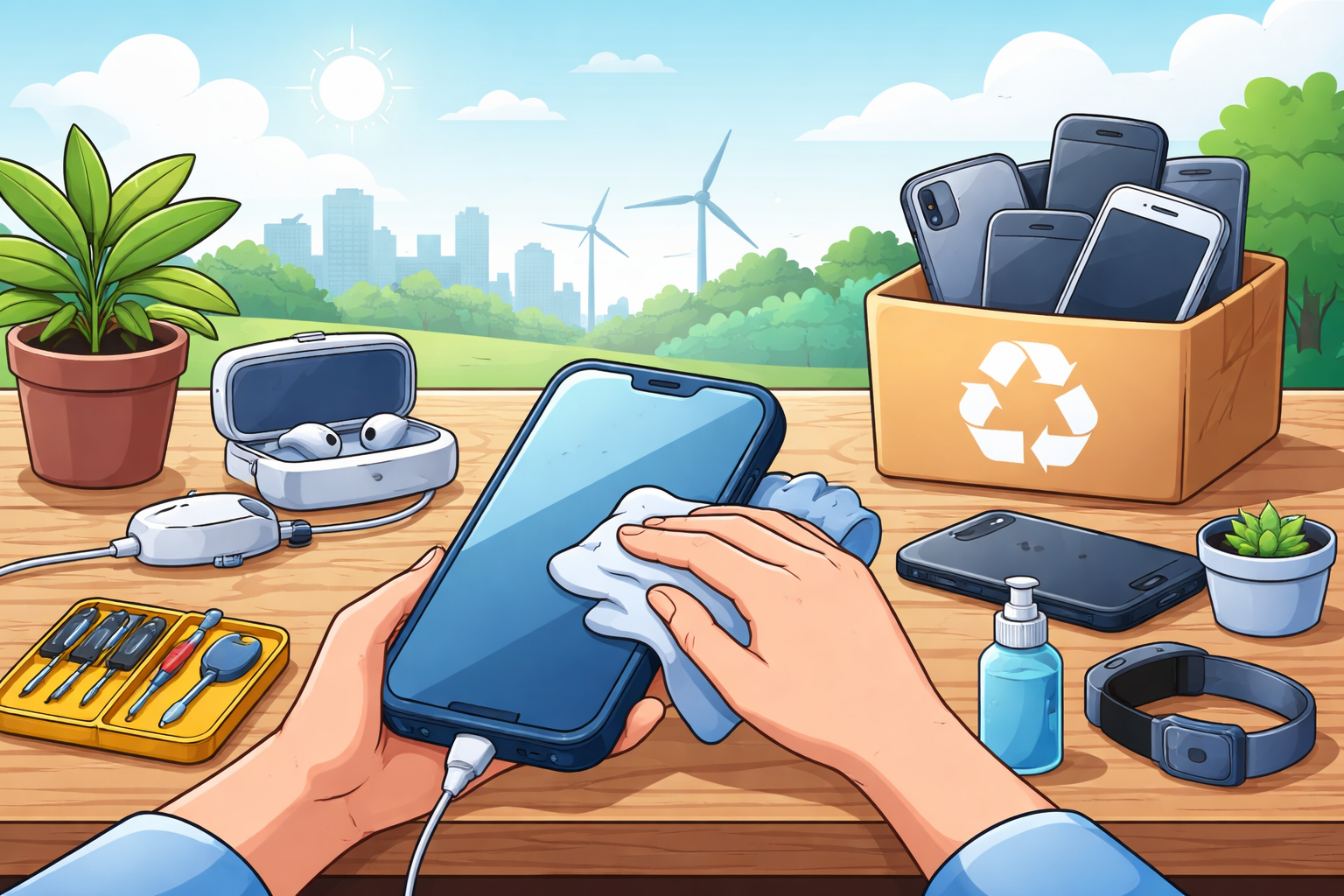
Not all used phones are equal. Certified pre-owned devices are inspected, cleaned, tested, and graded for condition.
This process ensures buyers receive devices that meet performance and cosmetic standards, reducing uncertainty.
Programs that specialize in certified inventory follow structured quality control processes rather than one-off resales. This consistency matters for both consumers and resellers.
Understanding sourcing practices, such as those outlined under wholesale phones, helps buyers avoid unreliable supply channels.
Most major smartphone brands support devices with software and security updates for several years after release. Pre-owned phones often remain well within that support window.
This ensures compatibility with modern apps and protection against vulnerabilities.
A common misconception is that pre-owned phones are outdated. In reality, many remain fully current for years, especially when purchased from recent model cycles.
Pre-owned phones offer simplicity, reliability, and affordability—making them ideal for students, seniors, or first-time users.
There’s less financial pressure, and users can still enjoy modern features without overcomplication.
Having a spare phone is increasingly practical. A pre-owned device works perfectly as a backup for travel, emergencies, or temporary use.
Consumer behavior has shifted. Buyers are more informed, more value-conscious, and less driven by annual upgrade cycles.
As awareness grows, so does trust in certified pre-owned programs. People now recognize that smart buying isn’t about owning the newest device—it’s about owning the right one.
At JNA Dealer Program, certified pre-owned phones are carefully evaluated, tested, and maintained to meet high standards. Every device is selected to deliver dependable performance and real value.
Whether you’re purchasing a single phone or sourcing inventory at scale, our team helps you find the right option without unnecessary risk or cost.
Pre-owned phones are no longer a second-best choice. They’re a strategic one.
How to Run a Successful Franchise Without Guesswork
Mar 20, 2026
Fix WiFi Sign-In Issues on Android (2026 Guide)
Mar 18, 2026

Equipment Loans: Smart Funding or Costly Mistake?
Mar 17, 2026

5G / 6G: What Dealers Must Prepare For
Mar 16, 2026

Comcast Business vs Residential Internet (2026 Guide)
Mar 13, 2026

2
Feb, 2026
CELL PHONE BUSINESS
Running a successful cell phone store today requires more than just stocking the latest devices....
23
Jan, 2026
AT&T RETAILER
Smartphones have become a central part of our daily lives. From communication and work to...
19
Dec, 2025
WHOLESALE CELL PHONE
Buying a used smartphone is no longer a compromise—it’s a smart, practical decision. With today’s...