DEALER
How to Negotiate Better Dealer Program Contracts
Getting into a dealer program can significantly grow your business—but only if the contract works...
Learn More


 April 29, 2025
So, you’ve built a business from the ground up, and now you’re thinking about selling it. But here’s the catch — getting the best possible price takes more than just listing it and hoping for the best. To maximize your payout, you need to boost your business valuation first. Let’s walk through five proven strategies that not only increase your company’s worth but also make it more attractive to potential buyers.
A strong business valuation is like a great first impression — it instantly sets the tone for negotiations. Whether you’re aiming for a merger, acquisition, or outright sale, a solid valuation reflects your business’s true potential and profitability.
First things first — get your financials in order. Messy records scream risk to buyers. They want to see clear, up-to-date books with traceable income, expenses, and assets. Consider using accounting software or hiring a pro to help.
Trim the fat. Personal expenses run through your business? That’s a red flag. Buyers want to see clean operating expenses that reflect the real cost of running your business.
A business that can grow without relying solely on you is more valuable. Standardize your daily operations so someone else can step in and run things smoothly.
Automation tools can streamline everything from inventory to payroll. This shows buyers your business is efficient, modern, and scalable — a major plus in their eyes.
Don’t put all your eggs in one basket. Adding new, relevant offerings reduces risk and increases revenue — two key components of a healthy valuation.
If your product works for teens, can it also serve young professionals? Tap into different demographics or geographical markets to broaden your base.
In today’s world, your online presence is often the first touchpoint with potential buyers — and their customers. Solid branding, positive reviews, and active social media show legitimacy and trust.
Explore how building a strong brand is essential to sustainable growth by reading Signs That Your Business is Growing.
Positive customer experiences can sway buyers. Compile reviews, testimonials, and case studies that highlight how your business delivers value.
Buyers fear businesses that fall apart when the owner exits. Build a capable team that can maintain success without you.
Have clear standard operating procedures (SOPs) for daily operations. This allows for a smooth transition and assures buyers they’re investing in a well-oiled machine.
Understanding metrics like customer acquisition cost, churn rate, and lifetime value can help pinpoint your business’s strengths and weaknesses.
Compare your numbers with others in your industry. Are you ahead of the curve or falling behind? Knowing this can help shape your strategy.
The best time to prepare your business for sale is at least 12–24 months in advance. This gives you ample time to implement changes, show growth, and smooth out any financial inconsistencies.
Learn how to get a jumpstart by checking out How to Create a Business Growth Plan.
Consistent growth is one of the strongest signals of a valuable business. Interested in determining whether your venture has the right foundation? Take a look at How to Determine If a Business Idea is Worth Pursuing.
Also, if you’re debating your business model, explore Franchising vs Starting from Scratch to understand what buyers might prefer.
Success leaves clues. Use online business tools, hire a financial advisor, or speak with a broker who specializes in mergers and acquisitions. The more you know, the better decisions you’ll make.
Selling your business is a huge step — and getting the best valuation possible takes time, strategy, and intention. By tidying up your financials, diversifying revenue, making your brand shine, and building a business that runs without you, you’re positioning yourself for a winning exit.

How to Negotiate Better Dealer Program Contracts
Mar 31, 2026
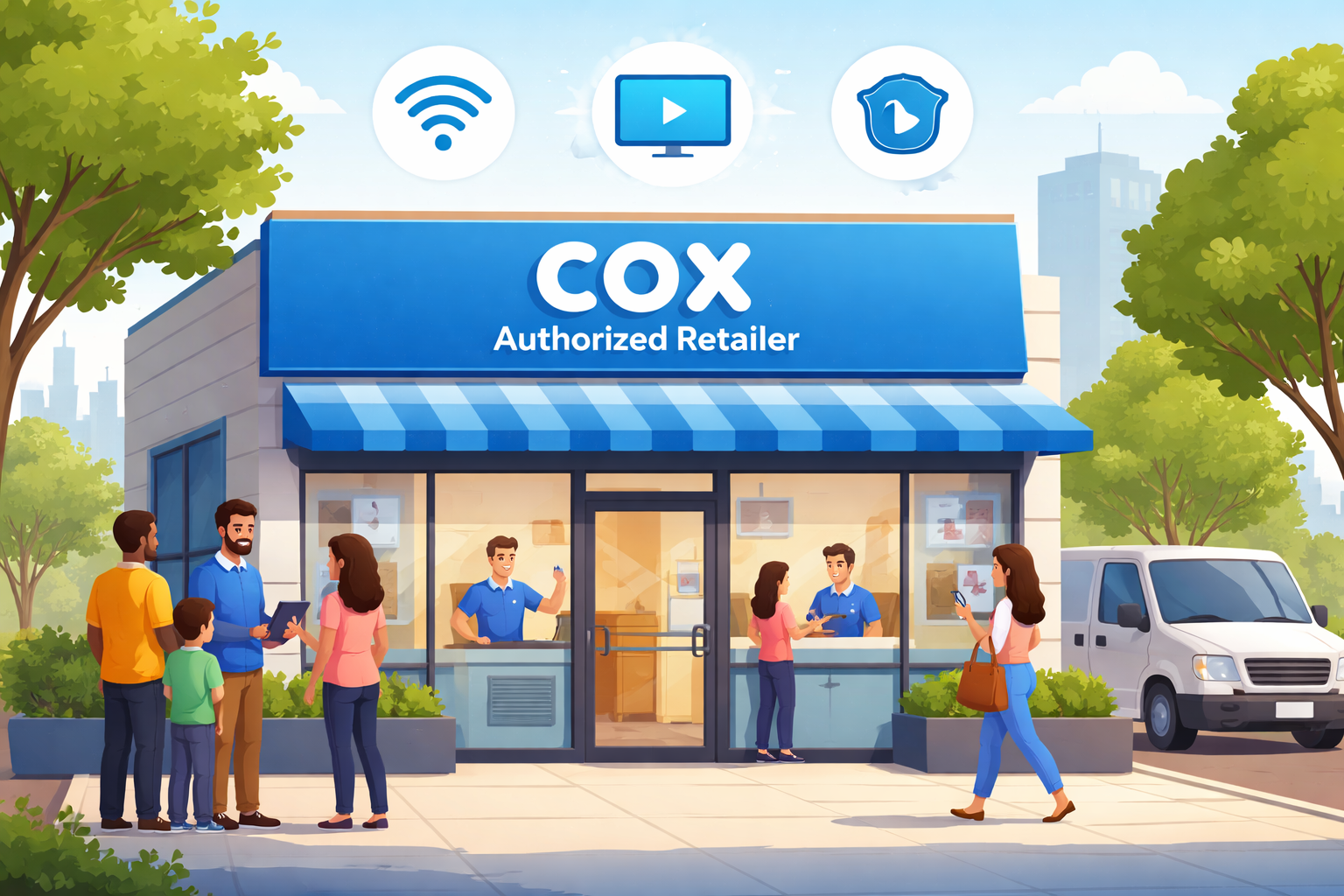
Why Cox Authorized Dealer And Retailers Are Worth It in 2026
Mar 30, 2026

How to Verify a Telecom Dealer Before You Partner
Mar 27, 2026

How to Run a Successful Franchise Without Guesswork
Mar 20, 2026

Fix WiFi Sign-In Issues on Android (2026 Guide)
Mar 18, 2026

31
Mar, 2026
DEALER
Getting into a dealer program can significantly grow your business—but only if the contract works...

7
Jan, 2026
SMALL BUSINESS
Facing a crisis as a business can be one of the most stressful experiences, whether...

6
Nov, 2025
BUSINESS IDEAS
Finding a truly profitable small business opportunity doesn’t happen by luck. It’s the result of...