CELL PHONE BUSINESS
How to Attract More Customers to Your Cell Phone Store
Running a successful cell phone store today requires more than just stocking the latest devices....
Learn More

 December 19, 2025
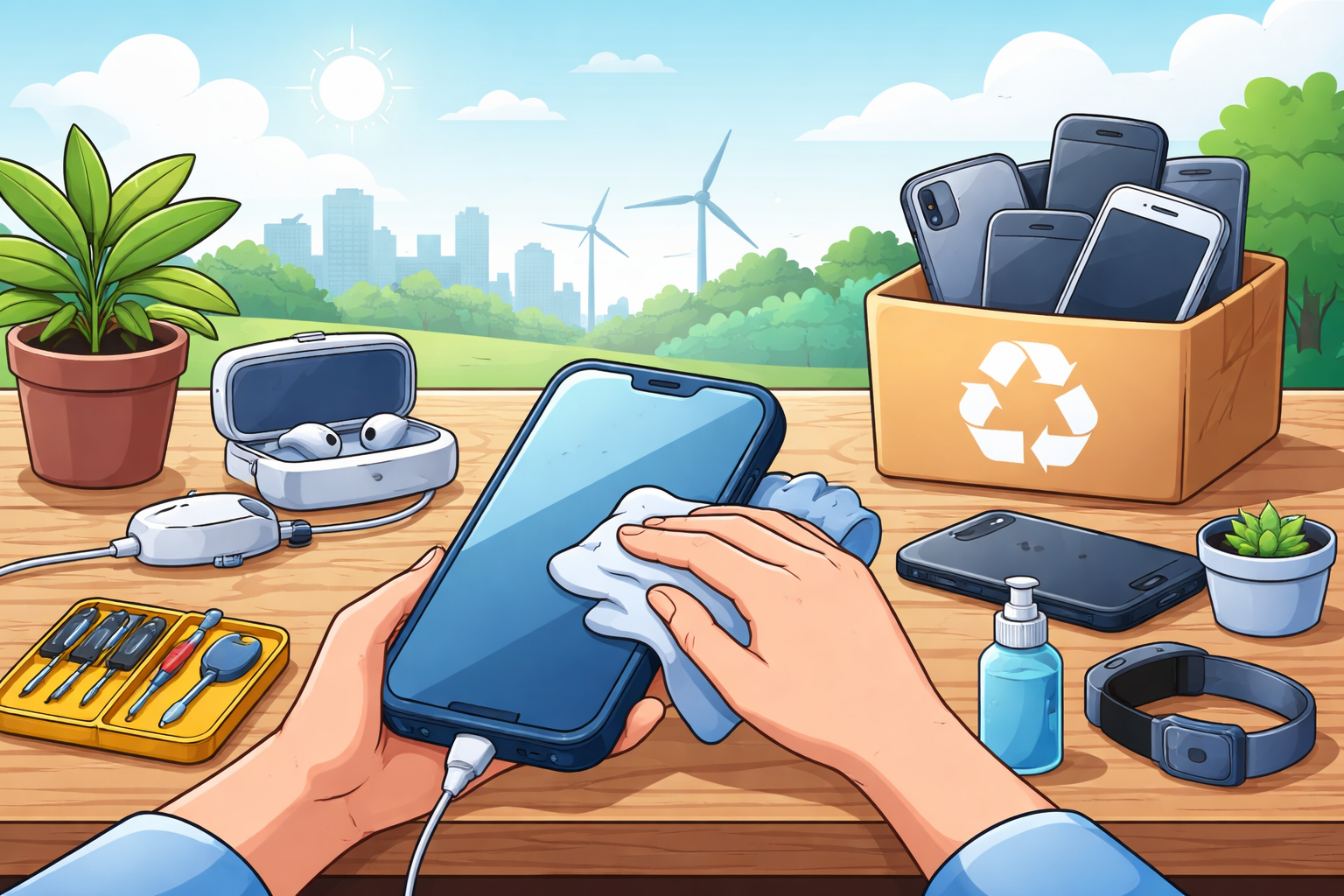
Buying a used smartphone is no longer a compromise—it’s a smart, practical decision. With today’s devices built to last longer and perform better, extending the lifespan of a pre-owned phone is easier than most people realize. At JNA Dealer Program, our mission is to provide reliable, top-quality pre-owned smartphones while supporting more sustainable habits across the electronics industry.
Understanding how long used phones typically last—and what actually affects their longevity—can help you protect your investment and get years of reliable use from your device. Whether you’re a reseller, a business owner, or an everyday user, knowing how to care for a pre-owned phone makes a real difference in performance, value, and environmental impact.
This article breaks down the real lifespan of used phones, the factors that matter most, and the practical habits that keep devices running smoothly long after their first owner.
A common misconception is that used phones have a short shelf life. In reality, most modern smartphones are designed to last several years, even when purchased secondhand. The key difference comes down to how the device was previously handled—and how it’s cared for moving forward.
Every smartphone goes through a predictable life cycle. Understanding this process makes it easier to see why a well-maintained used phone can still offer excellent long-term value.
This stage includes raw material extraction, component assembly, and device manufacturing. Each new phone produced consumes significant energy and resources. Choosing a pre-owned device reduces the demand for new manufacturing, which is why purchasing a used phone plays a role in lowering environmental strain while keeping functional devices in circulation.
This is where lifespan varies the most. How a phone is charged, updated, stored, and handled directly affects how long it stays usable. Devices that receive consistent updates, reasonable battery care, and basic protection often perform well for years beyond their original purchase date.
Phones don’t suddenly stop working—they slowly become less efficient. When properly refurbished or resold, many devices can be reused instead of discarded. Responsible trade-ins and recycling ensure valuable materials are recovered instead of wasted.
While brand and model matter, daily habits and maintenance have a far greater impact on longevity. These are the factors that make the biggest difference.
Batteries naturally degrade, but poor charging habits accelerate the process. Frequent overcharging, heat exposure, and low-quality chargers can shorten battery life significantly. Phones with healthy batteries remain usable and reliable much longer.
Operating system updates keep devices secure and efficient. Phones that continue receiving updates tend to run smoother, handle newer apps better, and remain safer to use. Keeping software current helps avoid slowdowns and compatibility issues.
Cracked screens, water exposure, and internal damage shorten a phone’s life faster than almost anything else. Even minor drops can affect internal components over time, which is why physical protection matters more than most users expect.
A phone filled with unused apps, cached data, and background processes will feel slower regardless of age. Proper storage management plays a major role in keeping older devices responsive and reliable.
The good news is that extending a phone’s lifespan doesn’t require technical expertise. Small, consistent habits have the biggest impact.
Avoid charging your phone overnight whenever possible. Keeping battery levels between 20% and 80% reduces stress on the battery. Using manufacturer-approved or certified chargers helps regulate power flow and protect internal components.
Regular updates improve stability and security. Removing unused apps, clearing cache files, and restarting your phone occasionally helps prevent slowdowns. These simple steps keep your device responsive even as it ages.
A quality case and screen protector go a long way. They absorb impact from drops and prevent cosmetic damage that can affect resale value later. Physical care is one of the easiest ways to extend usable life.
Heat is especially damaging to batteries and processors. Leaving your phone in a hot car or exposed to direct sunlight can permanently reduce battery capacity. Cold temperatures can also affect performance temporarily and cause long-term damage.
Low-quality cables and chargers may seem harmless but often deliver inconsistent voltage. Over time, this stresses internal components. Sticking with genuine or certified accessories helps maintain stable performance.
Apps running in the background drain battery and memory. Reviewing app permissions, limiting background refresh, and uninstalling unnecessary software reduces strain on your device and improves overall efficiency.
Keeping phones in use longer benefits more than just your wallet. It has measurable environmental and economic advantages.
Millions of phones are discarded each year despite being repairable or reusable. Extending lifespan keeps devices out of landfills and reduces the volume of electronic waste that requires specialized disposal.
Manufacturing new smartphones consumes energy, water, and raw materials. Reusing devices reduces emissions and resource extraction, making pre-owned phones a more sustainable option.
Well-maintained phones retain value longer. Whether you’re upgrading later or reselling inventory, devices in good condition are easier to move and more profitable in the secondary market.
Not all used phones are equal. Device history, refurbishment standards, and sourcing all play a role in long-term reliability. That’s why working with trusted suppliers matters.
At JNA Dealer Program, we focus on offering thoroughly inspected and dependable devices. Our inventory of top-quality pre-owned smartphones ensures buyers receive phones that are tested, reliable, and ready for extended use.
For dealers and resellers, understanding profit potential is just as important as product quality. Many partners explore resale opportunities after learning how much you can make selling used cell phones while supporting a more sustainable electronics market.
Used smartphones aren’t short-term solutions—they’re long-term investments when handled correctly. By understanding how phones age, what impacts performance, and how small habits protect device health, it’s possible to extend usability far beyond expectations.
Choosing pre-owned devices supports sustainability, reduces waste, and delivers excellent value when paired with smart care practices. With the right approach, a used phone can remain fast, reliable, and profitable for years.
At JNA Dealer Program, we remain committed to delivering dependable pre-owned smartphones while promoting smarter, more responsible technology use—one device at a time.

How to Run a Successful Franchise Without Guesswork
Mar 20, 2026
Fix WiFi Sign-In Issues on Android (2026 Guide)
Mar 18, 2026
Equipment Loans: Smart Funding or Costly Mistake?
Mar 17, 2026

5G / 6G: What Dealers Must Prepare For
Mar 16, 2026
Comcast Business vs Residential Internet (2026 Guide)
Mar 13, 2026

2
Feb, 2026
CELL PHONE BUSINESS
Running a successful cell phone store today requires more than just stocking the latest devices....
27
Jan, 2026
WHOLESALE CELL PHONE
Smartphones have become essential, but their price tags keep climbing. Each new release promises incremental...
23
Jan, 2026
AT&T RETAILER
Smartphones have become a central part of our daily lives. From communication and work to...