BUY PHONES IN BULK
Best Places to Sell Used Smartphones for Profit
The resale market for used smartphones is stronger than ever. Rising device prices, growing environmental...
Learn More

 December 16, 2025
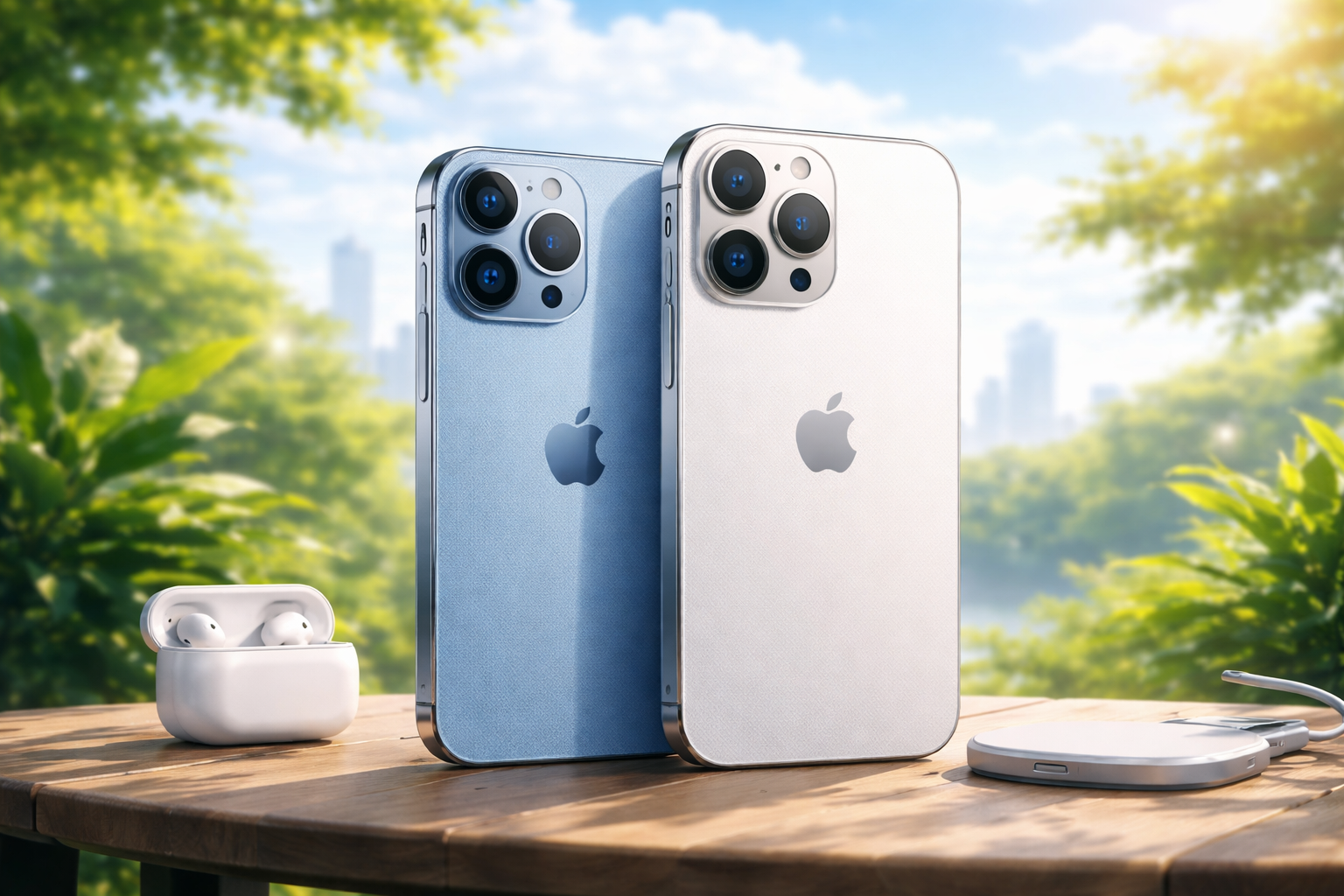
The iPhone 13 and iPhone 13 Pro Max may no longer be Apple’s newest releases, but they continue to stand out as well-rounded premium smartphones. Introduced in 2021, these models were designed with longevity in mind, and Apple’s extended software support has helped them remain relevant well beyond their launch window.
As prices have dropped in the resale and refurbished markets, many buyers are now weighing whether the iPhone 13 lineup still delivers enough value compared to newer devices. For users who want dependable performance, strong cameras, and a refined Apple experience without paying current flagship prices, the answer is still largely yes.
This refreshed review takes a current look at what the iPhone 13 Pro models do well, where they show their age, and who they make the most sense for now.
The iPhone 13 Pro (6.1-inch) and iPhone 13 Pro Max (6.7-inch) feature Apple’s flat-edge design, stainless steel frame, and textured matte glass back. This design language has carried forward into newer generations, which helps the iPhone 13 series avoid feeling outdated in everyday use.
Color options include Silver, Gold, Graphite, and Sierra Blue, with the Pro models maintaining a more refined finish than the standard iPhone 13. Both devices use Ceramic Shield glass on the front and carry an IP68 rating for water and dust resistance, meeting durability expectations for modern smartphones.
Apple introduced ProMotion to iPhones with the 13 Pro lineup, and it remains one of the most noticeable upgrades even today. The Super Retina XDR OLED displays dynamically adjust refresh rates from 10Hz to 120Hz, delivering smooth scrolling, responsive animations, and better efficiency.
With peak HDR brightness reaching 1,200 nits, along with True Tone and wide color support, these displays continue to perform well for streaming, gaming, and general daily use.
Related: Set Up iPhone: Complete Setup Guide
Powered by the A15 Bionic chip, the iPhone 13 Pro models continue to deliver smooth and reliable performance. The chip includes a 6-core CPU, a 5-core GPU exclusive to the Pro variants, and a 16-core Neural Engine, allowing the phones to handle multitasking, high-resolution video, and demanding apps without issue.
For users upgrading from older devices such as the iPhone 11 Pro, the performance and graphics improvements remain noticeable, particularly in gaming, camera processing, and app responsiveness. Apple’s consistent software updates further extend the usable life of the hardware.
The iPhone 13 Pro and Pro Max feature a triple-camera system that remains highly capable:
The larger Wide sensor improves low-light photography, while the Ultra Wide lens enables macro shots with focus as close as 2cm. The Telephoto lens provides a useful optical zoom range for portraits and distance shots, giving users flexibility across shooting scenarios.
Video continues to be a strong point. Support for 4K recording at up to 60fps, Dolby Vision HDR, Cinematic Mode, and ProRes video allows creators to capture professional-looking footage using only their phone. These features remain practical for content creation, marketing, and everyday recording.
Face ID remains fast and secure, working seamlessly with the TrueDepth camera system. The front camera supports Night Mode, Smart HDR, and Cinematic Mode, keeping selfies and video calls competitive with newer devices.
Connectivity features include:
These technologies continue to support fast data speeds, accurate location awareness, and smooth integration with Apple accessories.
Battery life was improved over the iPhone 12 series at launch, and the devices remain reliable when battery health is well-maintained. The Pro Max, in particular, still offers strong endurance for users who prioritize screen-on time.
Charging options include fast charging with a 20W adapter, MagSafe charging up to 15W, and standard Qi wireless charging. As with other recent iPhones, charging accessories are sold separately.
Storage configurations range from 128GB to 1TB, which is still more than sufficient for most users storing photos, videos, and apps locally. Apple’s streamlined iPhone setup process also makes migrating data, apps, and settings from older devices quick and straightforward.
At launch, pricing started at $999 for the iPhone 13 Pro and $1,099 for the Pro Max. Today, these models are widely available at significantly reduced prices through refurbished retailers and secondary markets, making them far more accessible to buyers who want premium hardware without flagship-level costs.
The iPhone 13 and iPhone 13 Pro Max continue to make sense for users who value build quality, camera reliability, and smooth performance. While they lack some of the newest experimental features, they deliver a stable and refined experience that still compares favorably to many newer mid-range phones.
For buyers seeking a proven iPhone with lasting value, the iPhone 13 Pro lineup remains a solid choice.

How to Run a Successful Franchise Without Guesswork
Mar 20, 2026
Fix WiFi Sign-In Issues on Android (2026 Guide)
Mar 18, 2026

Equipment Loans: Smart Funding or Costly Mistake?
Mar 17, 2026
5G / 6G: What Dealers Must Prepare For
Mar 16, 2026

Comcast Business vs Residential Internet (2026 Guide)
Mar 13, 2026


2
Mar, 2026
BUY PHONES IN BULK
The resale market for used smartphones is stronger than ever. Rising device prices, growing environmental...

26
Jan, 2026
BUY PHONES IN BULK
Bulk buying smartphones has become a practical strategy for retailers, resellers, organizations, and teams that...
20
Jan, 2026
BUY PHONES IN BULK
Finding cheap Android phones that deliver good performance is easier than ever. Budget smartphones have evolved beyond...