LOAN
Equipment Loans: Smart Funding or Costly Mistake?
Every growing business depends on equipment in one way or another. For some, that means...
Learn More

 February 4, 2026
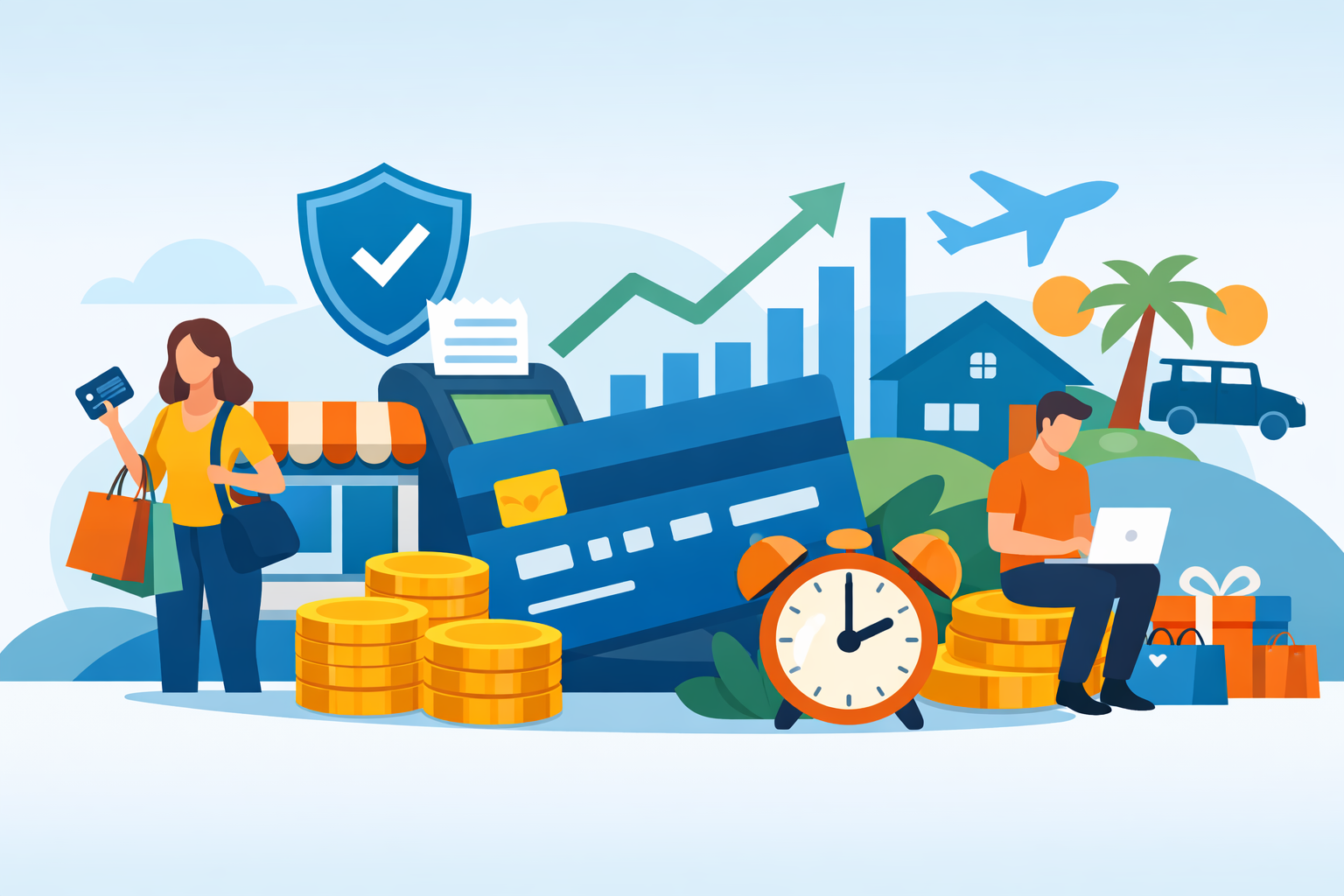
Using a credit card responsibly can play a major role in building long-term financial stability. While cash or debit cards work well for everyday purchases, credit cards offer advantages that go far beyond convenience—when used correctly.
One of the most important factors in determining your eligibility for future loans is how you manage your credit cards. Your payment history, balances, and overall credit behavior directly affect your credit score, which lenders rely on when approving car loans, mortgages, and other lines of credit. A strong credit score can unlock lower interest rates and better financial opportunities.
A credit card is a form of revolving credit that allows you to borrow money up to a set limit. In simple terms, it functions like a digital IOU.
When you swipe your card in a store or enter your details online, the merchant’s payment system contacts your credit card issuer. The issuer reviews your account and approves the transaction if you have available credit. At the end of the day, the merchant submits the transaction for settlement, and the charge is posted to your account.
Each billing cycle typically lasts one month. During this period, all your purchases are recorded and summarized in your monthly statement.
If you pay the full statement balance by the due date, you avoid interest charges.
If you pay less than the full balance, interest is charged on the remaining amount.
If you miss the minimum payment, you may incur late fees and negative credit reporting.
Paying your balance in full each month is one of the best habits you can develop to stay debt-free.
Credit card companies earn revenue in several ways.
Merchants pay interchange fees each time a customer uses a credit card. Because accepting credit cards is essential for most businesses, these fees are considered a cost of doing business and are typically passed on indirectly through pricing.
If you carry a balance from month to month, interest is applied. Credit card interest rates are often high, and over time, carrying balances can significantly increase the total cost of your purchases.
Common fees associated with credit cards include:
Annual membership fees
Late payment fees
Foreign transaction fees
Balance transfer fees
Cash advance fees
While premium cards may justify annual fees through rewards and benefits, many excellent cards offer no annual fee—making them ideal for beginners or first-time cardholders.
Before applying for a credit card, it’s wise to review your credit report and understand your credit score. This helps you identify which cards you’re likely to qualify for and avoids unnecessary application rejections.
Applying for a card that requires excellent credit when your score is low can hurt your credit further. Reviewing your credit report also allows you to spot errors that could be negatively affecting your score.
Income is another key factor. Credit card issuers evaluate your ability to repay debt, so lower income levels may result in smaller credit limits or application denial.
Your credit report reflects multiple types of borrowing, including credit cards, auto loans, student loans, and mortgages. Credit card issuers report:
Your balance relative to your credit limit
Whether payments are made on time
How long accounts have been open
All of this data is combined into your overall credit score. Responsible credit card use—low balances, on-time payments, and long account history—can steadily improve your score and help you qualify for larger loans in the future.
Most credit cards offer rewards to encourage regular use. These may include:
Cash back
Airline miles
Hotel rewards
Travel perks
The key is choosing a card with rewards that align with your spending habits. If a card charges an annual fee, make sure the benefits you receive exceed the cost of maintaining the card.
Many credit cards offer attractive welcome bonuses to new cardholders. These may include:
Introductory 0% APR periods
Bonus points or cash back after meeting a spending threshold
For example, a travel card may offer a large points bonus after spending a certain amount within the first few months. These offers can be valuable, but only if you can meet the requirements without overspending or carrying debt.
A credit card is a powerful financial tool when used correctly. It can help you build credit, earn rewards, and provide flexibility during emergencies. However, misuse can lead to long-term debt and financial stress.
Understand how your credit card works, pay your balance on time, and choose cards that match your financial goals. Responsible credit card use today can open the door to better financial opportunities tomorrow.

How to Run a Successful Franchise Without Guesswork
Mar 20, 2026

Fix WiFi Sign-In Issues on Android (2026 Guide)
Mar 18, 2026

Equipment Loans: Smart Funding or Costly Mistake?
Mar 17, 2026

5G / 6G: What Dealers Must Prepare For
Mar 16, 2026

Comcast Business vs Residential Internet (2026 Guide)
Mar 13, 2026

17
Mar, 2026
LOAN
Every growing business depends on equipment in one way or another. For some, that means...

24
Nov, 2025
FINANCE
Every small business reaches a stage where growth requires more than time and effort—it requires...

14
Nov, 2025
LOAN
A personal loan can be a smart way to manage expenses, consolidate debt, or secure...