BUSINESS IDEAS
12 Solar Business Ideas to Consider in 2024
The solar energy industry in the United States is booming, with annual installations doubling nearly...
Learn More

 December 10, 2025
Business landscape growth doesn’t happen by chance—it’s built on strategy. One of the most powerful tools for consistent growth is a lead generation funnel, a structured system that helps businesses attract, nurture, and convert prospects into loyal customers.
Whether you’re a small business owner or a marketing professional, understanding how to build and maintain a lead generation funnel is crucial to ensuring a steady flow of qualified leads. Done right, it can transform your marketing results, increase conversions, and maximize return on investment.
This comprehensive guide will break down every step of the process—from defining your target audience to optimizing your funnel for long-term performance—so you can build a system that continuously fuels your business growth.
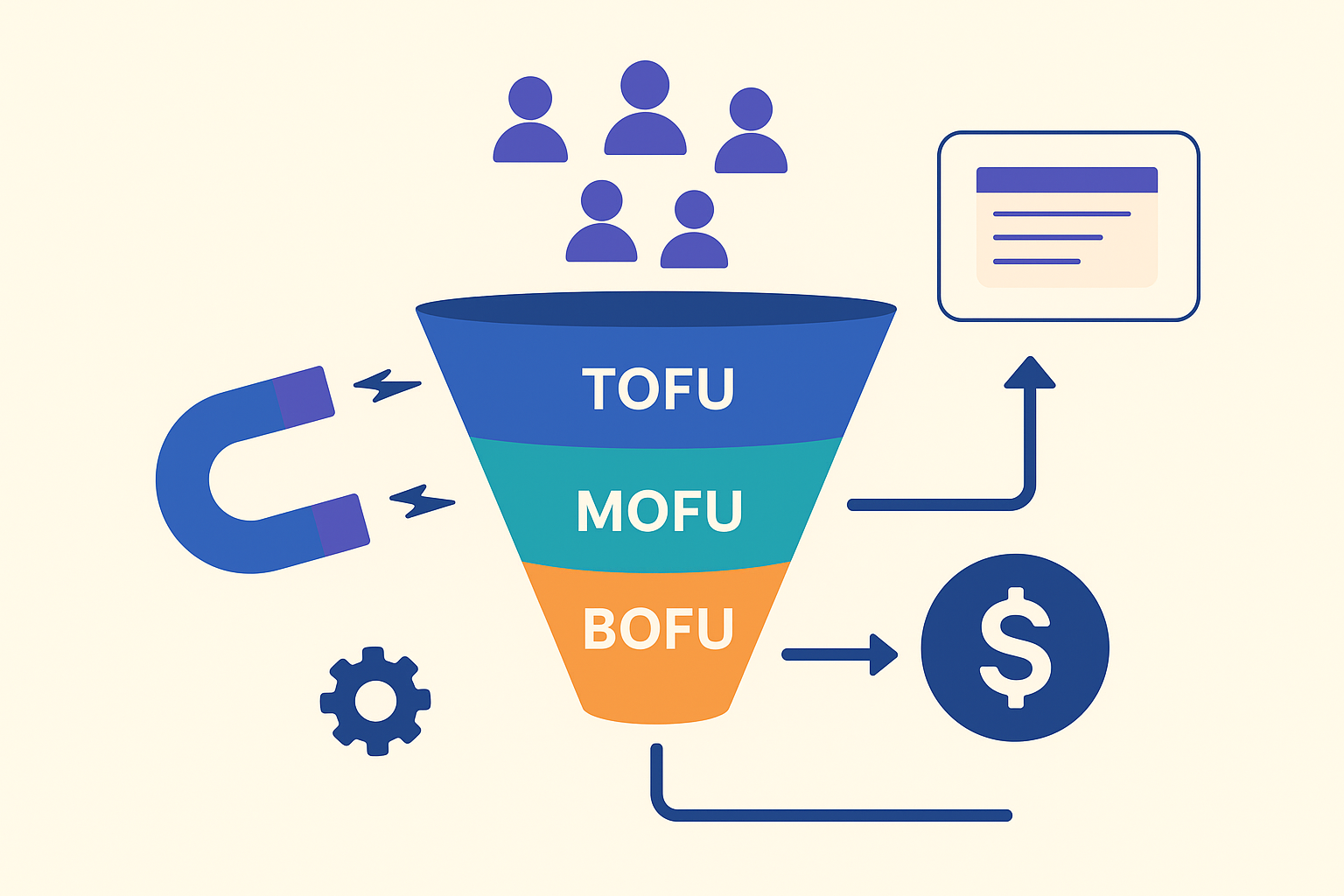
Before diving into strategy, it’s important to understand what a lead generation funnel actually is. A lead generation funnel represents the customer’s journey—from initial awareness to final purchase—and helps you guide potential customers through each stage.
The funnel typically includes three core phases:
Each stage has its own set of goals, content, and engagement strategies. When aligned, these stages work together to turn interest into action.
Every successful funnel starts with clarity about who you’re targeting. Without a deep understanding of your audience, even the best funnel design will fail to deliver meaningful results.
Start by researching your audience’s demographics, pain points, goals, and behaviors. Identify their biggest challenges and what solutions they seek. Use this data to create buyer personas—fictional representations of your ideal customers.
When your marketing content directly speaks to your audience’s needs, it becomes easier to attract leads who are more likely to convert.
At the top of the funnel, your primary goal is visibility and awareness. This is where you introduce your brand to people who may not yet know you exist.
To attract their attention, focus on educational and engaging content that offers value without being overly sales-oriented. Examples include:
This stage is all about positioning your business as a credible resource in your industry. When done consistently, TOFU content helps you build brand recognition and trust.
Once you’ve caught a prospect’s attention, you need a way to convert that interest into an opportunity—and that’s where lead magnets come in.
A lead magnet is a valuable resource offered in exchange for contact information, such as an email address. Effective lead magnets include:
The key is to ensure your offer directly solves a problem or answers a question your audience cares about. The more relevant and immediate the value, the higher your conversion rates.
A lead magnet is only as good as the page that promotes it. Your landing page is the gateway to conversions—it’s where visitors decide whether to take the next step.
An effective landing page should:
It’s also vital to test different versions of your page through A/B testing to see what drives the best results.
If you’re exploring ways to expand your funnel and reach more potential customers, consider how dealer opportunities for lead generation can help you generate qualified leads faster.
Once a lead enters your system, your focus shifts to nurturing the relationship. Email marketing remains one of the most effective ways to keep your brand top-of-mind while guiding leads toward a decision.
Create personalized email sequences that provide value over time—educate, inform, and inspire rather than pushy sales messages. For example:
Segmentation is crucial. Send different messages to leads at different stages of the funnel, ensuring the right tone and content every time.
In the middle of the funnel, your prospects are already aware of your brand but need reassurance before committing. This is your opportunity to build credibility and deepen trust.
Offer content that demonstrates value and answers their most pressing questions. MOFU content examples include:
At this stage, your messaging should transition from educational to solution-oriented—clearly showing how your offering addresses your audience’s pain points.
The final stage of the funnel is all about conversions. Leads here are warm, informed, and ready to buy—they just need the right nudge.
Use BOFU content to make that decision easy:
For best results, follow up promptly with these leads. Personalized outreach—such as tailored emails or quick phone calls—can make the difference between a lost opportunity and a closed sale.
Learn more about effective outreach in these strategies for lead follow-up to help increase your conversion rate.
As your funnel grows, managing every lead manually becomes nearly impossible. That’s where marketing automation tools come in.
Automation helps streamline repetitive tasks such as:
With automation, you can maintain consistent communication and scale your lead nurturing process without sacrificing quality.
Your funnel is a living system—it needs regular monitoring to stay effective. Use analytics to track performance and pinpoint areas for improvement.
Key metrics to monitor include:
Data-driven decisions help you identify what works best. Test different headlines, visuals, CTAs, and timing until you find your most efficient funnel path.
A successful funnel isn’t static—it evolves with your business. Maintaining your lead generation funnel involves refreshing content, testing new strategies, and adapting to changing customer behavior.
Consistent follow-up is key. Many leads won’t buy right away, but staying visible and helpful keeps your brand top-of-mind.
If you’re evaluating whether your marketing strategies align with your business goals, this guide to determining business viability can provide helpful perspective on long-term planning.
Even experienced marketers make mistakes that can hinder funnel performance. Here are some pitfalls to avoid:
Recognizing these issues early can save time, money, and valuable leads.
One of the most powerful tools in your funnel is social proof. Testimonials, reviews, and case studies validate your credibility and influence buying decisions.
Highlight customer success stories, showcase measurable outcomes, and include recognizable brand names if applicable. Real-world results make your offer more believable and appealing.
Paid ads—such as Google Ads or social media campaigns—can rapidly drive qualified traffic into your funnel. These ads help you target specific demographics and test offers quickly.
When running paid ads, always direct traffic to a dedicated, conversion-optimized landing page rather than your homepage. This ensures that each visitor’s attention is focused on a single goal: becoming a lead.
Building and maintaining a lead generation funnel is not a one-time project—it’s a continuous process of testing, learning, and improving.
When executed well, your funnel becomes a predictable system that attracts high-quality leads, nurtures relationships, and turns prospects into customers.
Consistency, data-driven decisions, and customer-centric content will keep your funnel healthy and effective for the long term. Keep refining, keep engaging, and your business growth will follow.
How to Run a Successful Franchise Without Guesswork
Mar 20, 2026

Fix WiFi Sign-In Issues on Android (2026 Guide)
Mar 18, 2026

Equipment Loans: Smart Funding or Costly Mistake?
Mar 17, 2026

5G / 6G: What Dealers Must Prepare For
Mar 16, 2026

Comcast Business vs Residential Internet (2026 Guide)
Mar 13, 2026

3
Jun, 2024
BUSINESS IDEAS
The solar energy industry in the United States is booming, with annual installations doubling nearly...

3
Jun, 2024
CALL CENTER
We understand that running a successful business requires a lot of work. From managing customer...
3
Jun, 2024
LEAD GENERATION
We are often asked by agents to have some best practices for tactfully following up...