INTERNET BUSINESS
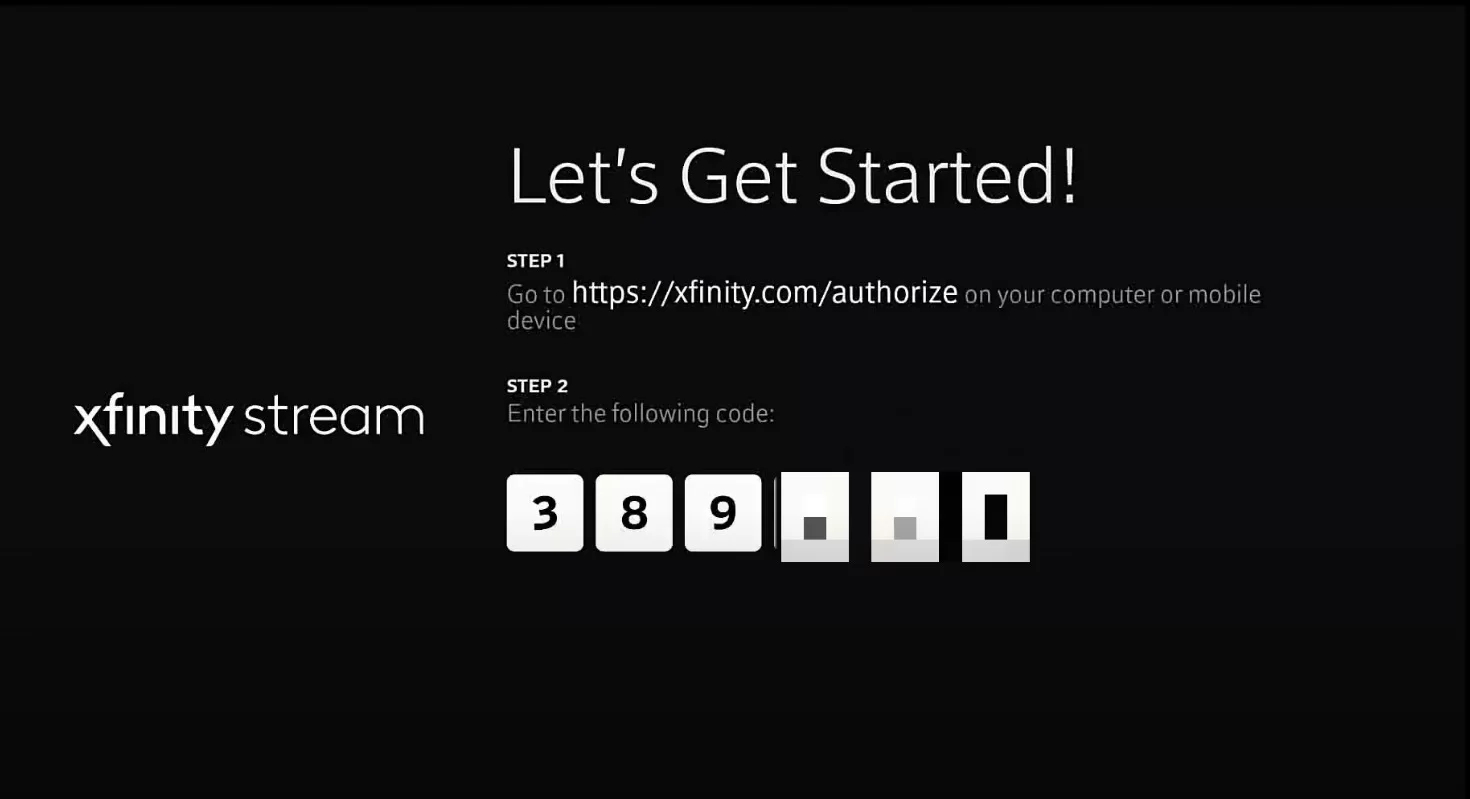
Xfinity.com Authorize: Your Gateway to Seamless Entertainment
Welcome to the world of Xfinity, where entertainment knows no bounds! Whether you're a fan...
Learn More


 June 3, 2024
Access to high-speed internet has become more crucial than ever before. Traditional internet services have long been the primary means of connectivity for most users, but recent advancements in satellite technology have brought forth a new contender: Starlink.
Starlink, a project initiated by SpaceX, aims to provide high-speed internet access to users around the globe using a constellation of low Earth orbit (LEO) satellites. Unlike traditional internet services that rely on ground-based infrastructure, Starlink’s satellite network offers the promise of connectivity in even the most remote and underserved areas.
Conventional internet services, such as cable, fiber-optic, and DSL, have been the go-to choice for users in urban and suburban areas for decades. While these services offer relatively high speeds and low latency, they often struggle to reach rural and remote locations, leaving many users with limited or unreliable connectivity.
Speed refers to the rate at which data is transferred between a user’s device and the internet, typically measured in megabits per second (Mbps) or gigabits per second (Gbps). Latency, on the other hand, measures the time it takes for data to travel from the user’s device to its destination and back, often expressed in milliseconds (ms).
High-speed internet with low latency is essential for a wide range of online activities, including streaming video, online gaming, video conferencing, and cloud computing. Users rely on fast and responsive internet connections to stay productive, entertained, and connected with others.
Starlink’s satellite constellation consists of thousands of small satellites orbiting the Earth at low altitudes, providing global coverage and low-latency connectivity. Users can access the internet via a phased-array antenna installed on their property, which communicates with the nearest Starlink satellites.
Starlink holds the promise of bridging the digital divide by providing high-speed internet access to users in rural, remote, and underserved areas where traditional internet infrastructure is lacking or nonexistent. This can have significant implications for education, healthcare, business, and economic development in these regions.
Traditional broadband and DSL connections rely on ground-based infrastructure such as cables and telephone lines, which may be costly to deploy and maintain in sparsely populated or geographically challenging areas. As a result, users in rural and remote locations often experience slow speeds, high latency, and unreliable connectivity.
Rural areas are often underserved by conventional internet service providers due to the high cost of infrastructure deployment and low population density. This leaves many rural residents with limited options for internet access, hindering their ability to participate fully in the digital economy and society.
Early tests and trials of Starlink have shown promising results, with users reporting download speeds ranging from 50 Mbps to 150 Mbps and latency as low as 20 ms to 40 ms. These performance metrics rival or even surpass those of traditional internet services in many areas, making Starlink a compelling alternative for users seeking high-speed connectivity.
While Starlink’s performance may vary depending on factors such as geographical location and network congestion, it has the potential to outperform traditional internet services in areas where infrastructure limitations are a barrier to high-speed connectivity. However, users should consider factors such as cost, coverage, and reliability when evaluating their options.
Users who have been early adopters of Starlink have reported significant improvements in their internet experience, particularly in rural and remote areas where traditional internet options were limited or unreliable. From streaming HD video to working from home to participating in online education, Starlink has enabled users to stay connected and productive like never before.
High-speed internet access can have transformative effects on individuals, communities, and businesses, unlocking opportunities for education, healthcare, entrepreneurship, and economic growth. By bridging the digital divide, Starlink has the potential to empower users around the world to thrive in the digital age.
Potential users should weigh various factors such as cost, coverage, reliability, and scalability when evaluating Starlink against conventional internet services. While Starlink offers the promise of high-speed internet anywhere, it may not be the best fit for every user or location.
Starlink continues to expand its satellite constellation and improve its technology to deliver faster speeds, lower latency, and broader coverage to users around the globe. With ongoing advancements in satellite technology and infrastructure, Starlink aims to become a leading provider of high-speed internet access worldwide.
The widespread adoption of Starlink and similar satellite-based internet services could have far-reaching implications for global internet connectivity and accessibility. By democratizing access to high-speed internet, these services have the potential to empower individuals, communities, and nations to participate fully in the digital economy and society.
In conclusion, Starlink represents a groundbreaking innovation in the field of internet connectivity, offering the promise of high-speed internet access to users around the world, regardless of their location. By leveraging a constellation of low Earth orbit satellites, Starlink aims to overcome the limitations of traditional internet infrastructure and bridge the digital divide.
Why Cox Authorized Dealer And Retailers Are Worth It in 2026
Mar 30, 2026

How to Verify a Telecom Dealer Before You Partner
Mar 27, 2026

How to Run a Successful Franchise Without Guesswork
Mar 20, 2026
Fix WiFi Sign-In Issues on Android (2026 Guide)
Mar 18, 2026

Equipment Loans: Smart Funding or Costly Mistake?
Mar 17, 2026

3
Dec, 2025
INTERNET BUSINESS
Welcome to the world of Xfinity, where entertainment knows no bounds! Whether you're a fan...

7
Jun, 2024
HOME WIFI
Imagine this: you have friends over, and everyone needs to connect to your WiFi. Instead...

3
Jun, 2024
HOME WIFI
In our interconnected world, WiFi has become an essential part of our daily lives. From...