BUY PHONES IN BULK
Best Places to Sell Used Smartphones for Profit
The resale market for used smartphones is stronger than ever. Rising device prices, growing environmental...
Learn More

 January 20, 2026
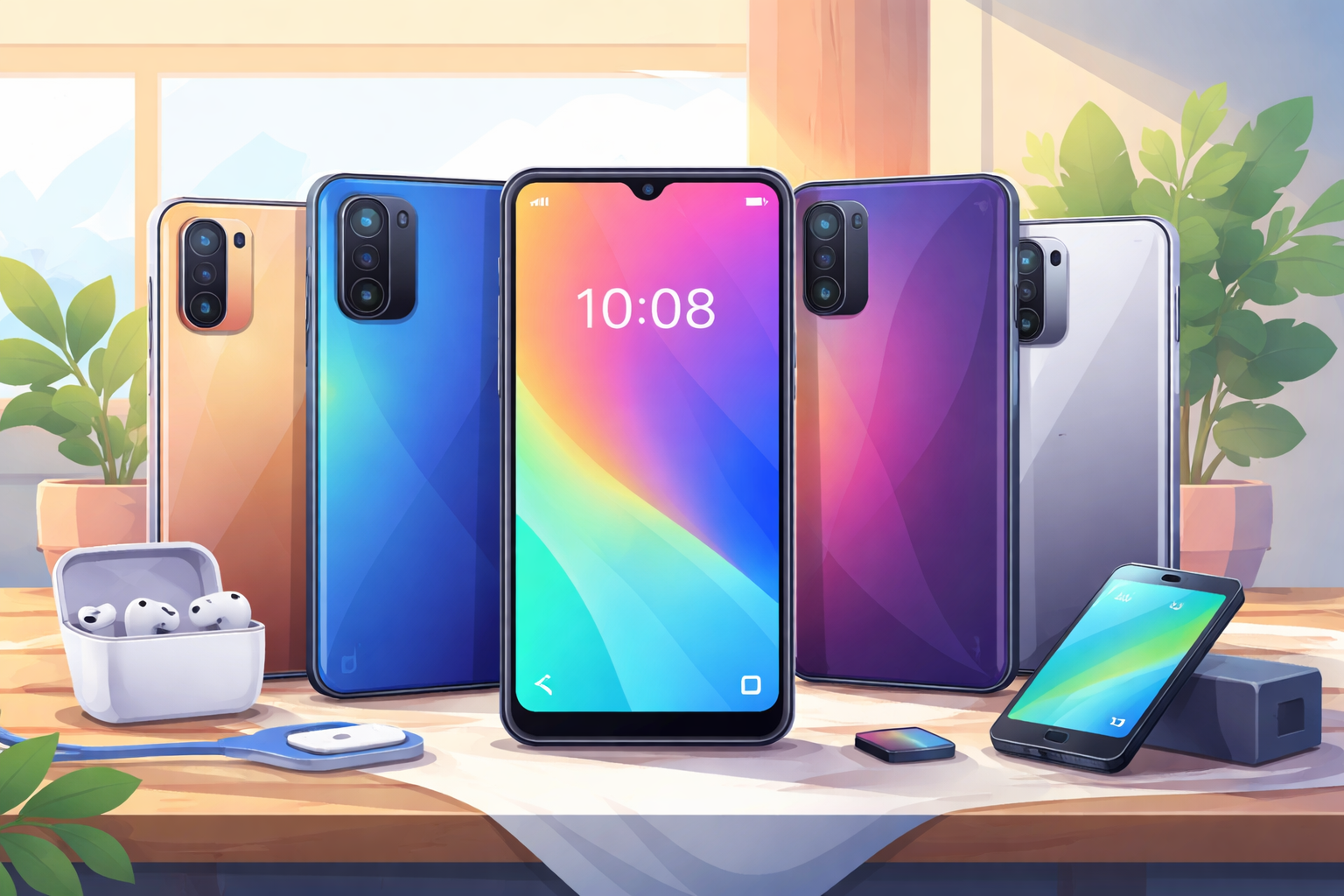
Finding cheap Android phones that deliver good performance is easier than ever. Budget smartphones have evolved beyond basic functionality. Today, even a sub-$150 device can handle streaming, social media, multitasking, and casual gaming with ease. Whether you’re buying for personal use or planning to buy phones in bulk for resale, affordable Android devices now offer impressive features that make them a viable alternative to high-end smartphones.
That said, low-cost phones are not without compromises. Understanding what to expect—and where manufacturers cut corners—will help you make an informed decision. This guide covers everything you need to know about choosing a budget Android phone.
Budget Android phones are priced lower because manufacturers reduce costs in key areas: hardware, display, cameras, and software support. While these trade-offs exist, advancements in technology mean that modern budget phones often outperform older flagship models in some areas.
Key cost-saving strategies include:
By understanding these trade-offs, you can find a device that balances performance and price without unnecessary compromises.
The processor, RAM, and storage largely determine a smartphone’s performance. Most budget phones use:
These chips handle everyday tasks like browsing, social media, and light gaming well, though they may struggle with resource-heavy apps or advanced mobile games.
RAM and Storage: Most budget devices now come with 4GB–6GB RAM and 64GB–128GB storage, which is sufficient for most users. Some phones also support microSD expansion, offering additional flexibility for media storage.
Modern Efficiency: Even budget chips are improving battery and performance efficiency. Many new MediaTek processors provide excellent multitasking without significant slowdowns, making them surprisingly capable compared to older flagship processors.
Display technology has improved dramatically in budget smartphones. Most sub-$200 devices now offer 1080p Full HD displays, bright colors, and wide viewing angles. While not matching flagship OLED panels, these screens provide good readability, video streaming, and casual gaming experiences.
Examples include:
Even with lower-cost panels, modern budget phones now have adequate brightness, color accuracy, and touch responsiveness.
Camera quality is still the main compromise for budget phones. While daytime photos are generally acceptable, low-light performance, dynamic range, and advanced photography features are limited.
Many modern budget phones now include:
While these features improve usability, they rarely match the results of premium smartphones. If photography is a priority, research sample images online before purchasing.
One area where budget phones often excel is battery life. Many affordable smartphones now feature large 4,000–5,000 mAh batteries, capable of lasting a full day or more under normal usage.
Efficient processors, lower-resolution screens, and optimized software contribute to this longevity. Fast charging is increasingly common even in budget devices, though wireless charging is typically reserved for high-end phones.
Software updates are a critical factor in long-term usability. High-end smartphones receive frequent updates, while budget devices may only receive one or two major Android updates.
Some manufacturers, like Motorola, Xiaomi, and Nokia, have improved update policies for budget devices, offering extended support and security patches. However, older or ultra-cheap phones may receive no updates, leaving them vulnerable to security risks and app incompatibility.
Before buying, check the manufacturer’s website or reviews to confirm:
Staying informed ensures your budget phone remains functional and secure longer.
In the U.S., smartphones operate on two main network types:
Many budget phones are designed for GSM networks. While this offers flexibility across carriers, you should confirm supported LTE bands to ensure compatibility in your area. A phone labeled “4G LTE” may not work everywhere without proper band support.
For unlocked phones, GSM carriers are generally the safest bet. Check devices like AT&T compatible phones or explore wholesale cell phones for unlocked, multi-carrier options.
Sometimes, older flagship phones are priced similarly to modern budget phones. Comparing the two can be tricky:
For example:
While older flagships may outperform in raw benchmarks, budget phones can offer better efficiency, battery life, and current software support.
Older flagship processors like the Snapdragon 800 may score higher on benchmarks, but modern budget processors are often more efficient. This means smoother daily usage, better thermal performance, and longer battery life. For most users, these real-world benefits outweigh raw benchmark numbers.
Budget phone displays have caught up to older flagships in clarity and color accuracy. While cameras are still limited, AI-enhanced features and multiple lenses improve everyday photography. Daytime performance is generally good, though low-light results may lag behind premium devices.
Google’s Nexus series offers budget-friendly options with extended software support. For example, the Motorola Nexus 6 delivers performance and updates that many other phones in its price range cannot match. Nexus phones are ideal for users prioritizing long-term software updates and clean Android experiences.
When selecting a budget phone, focus on the following:
Following these guidelines will help you get maximum value from your budget smartphone.
Modern budget phones may include:
These features were once exclusive to flagship devices, but now they are increasingly common even in sub-$200 phones.
Cheap Android phones are capable, versatile, and affordable. They handle everyday tasks, streaming, light gaming, and social media efficiently. While they don’t match premium devices in camera quality or build materials, they offer remarkable value for the price.
Whether you’re buying a phone for yourself or planning to buy phones in bulk, understanding hardware, software updates, cameras, battery, and carrier compatibility will help you make the smartest choice. Modern budget smartphones provide practical, high-value solutions for users seeking affordability without sacrificing functionality.

How to Run a Successful Franchise Without Guesswork
Mar 20, 2026
Fix WiFi Sign-In Issues on Android (2026 Guide)
Mar 18, 2026

Equipment Loans: Smart Funding or Costly Mistake?
Mar 17, 2026

5G / 6G: What Dealers Must Prepare For
Mar 16, 2026
Comcast Business vs Residential Internet (2026 Guide)
Mar 13, 2026


2
Mar, 2026
BUY PHONES IN BULK
The resale market for used smartphones is stronger than ever. Rising device prices, growing environmental...

26
Jan, 2026
BUY PHONES IN BULK
Bulk buying smartphones has become a practical strategy for retailers, resellers, organizations, and teams that...
15
Jan, 2026
BUY PHONES IN BULK
The iPhone 11 Pro may no longer be Apple’s newest release, but it continues to...