BUY PHONES IN BULK
Best Places to Sell Used Smartphones for Profit
The resale market for used smartphones is stronger than ever. Rising device prices, growing environmental...
Learn More


 January 26, 2026
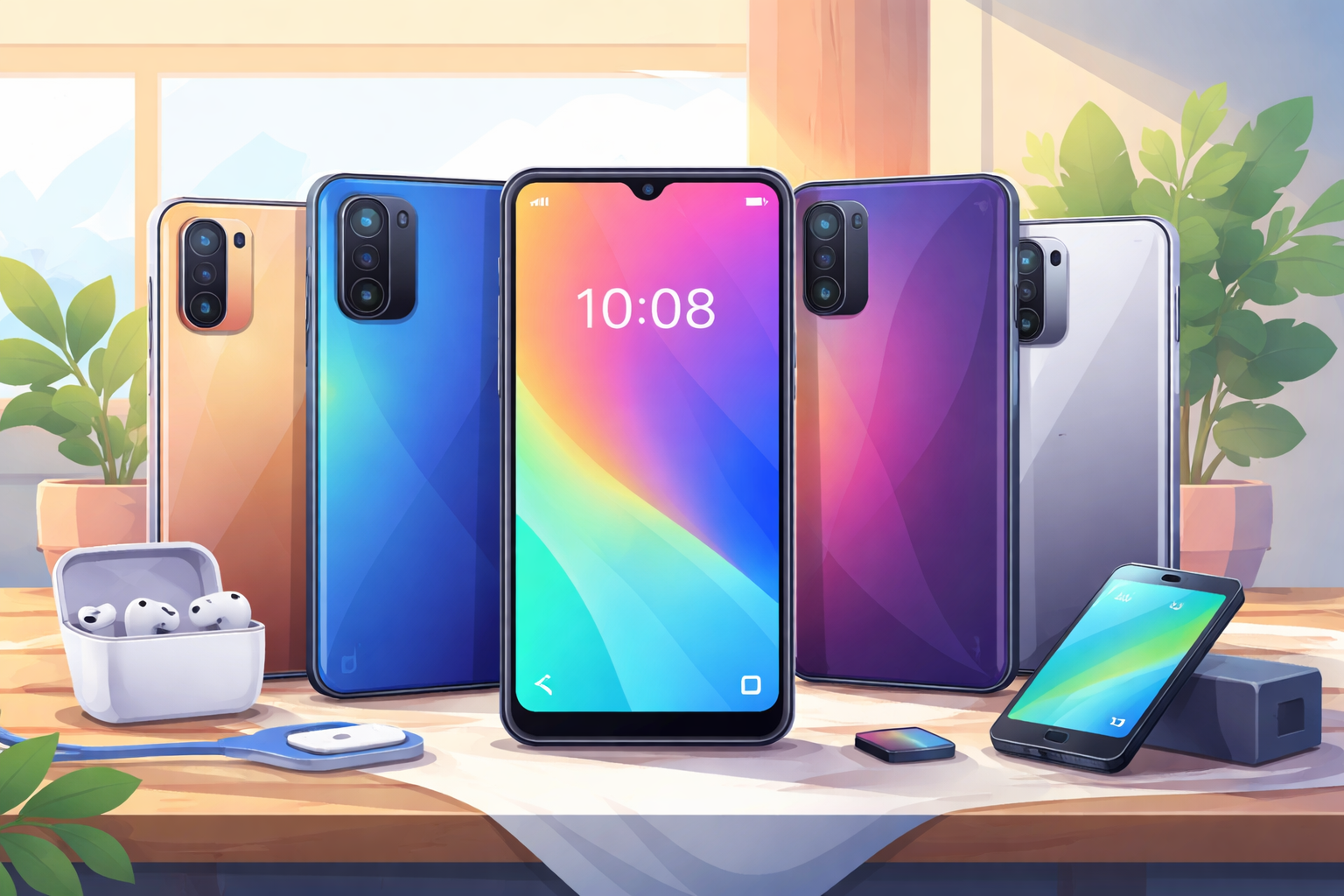
Bulk buying smartphones has become a practical strategy for retailers, resellers, organizations, and teams that rely on mobile devices to operate efficiently. Whether you are equipping employees, building resale inventory, or supporting customer-facing services, purchasing smartphones in volume can significantly reduce costs while improving supply control.
That said, wholesale purchasing requires precision. Device lifecycles are shorter, pricing changes quickly, and supplier quality varies widely. One poorly planned bulk purchase can result in outdated inventory, compatibility issues, or unnecessary financial losses.
This up-to-date overview explains what to consider before buying smartphones in bulk, with a clear focus on long-term value, supplier reliability, and current wholesale market conditions.
Bulk smartphone purchasing is no longer limited to large retailers. In today’s market, businesses of all sizes use wholesale buying to stabilize inventory and improve margins.
One of the most immediate advantages of bulk buying is reduced per-unit pricing. Wholesale tiers allow businesses to lower acquisition costs as order volume increases, creating stronger margins or lowering internal operating expenses.
Many buyers begin their sourcing process by reviewing wholesale phones available through established dealer programs .
Consistent inventory is essential for both resale operations and internal device deployment. Bulk purchasing allows businesses to forecast demand accurately and avoid supply disruptions during peak periods.
This approach supports smoother operations and predictable fulfillment.
Wholesale suppliers increasingly offer services such as pre-installed applications, mobile device management configuration, and standardized packaging. These options reduce setup time and create consistency across large device fleets.
Every bulk purchase should start with a clear understanding of how the devices will be used and how long they need to remain viable.
Before comparing models or pricing, determine whether the smartphones are intended for resale, internal staff use, or bundled service offerings.
Resellers must focus on resale velocity and market demand, while internal deployments prioritize security, durability, and long-term software support.
Short-term popularity does not always equal long-term value. Focus on devices that offer:
These factors reduce replacement frequency and protect your investment.
Supplier reliability is critical when buying at scale. A low price provides little value if devices arrive locked, unsupported, or inconsistent in condition.
Wholesale pricing is influenced by order volume, device condition, brand availability, and market demand. Costs are rarely fixed.
Request full transparency around pricing tiers, handling fees, and minimum order requirements before committing.
Warranty terms vary significantly between suppliers. Some offer manufacturer-backed warranties, while others provide limited in-house coverage.
Confirm what is covered, how claims are processed, and expected turnaround times for replacements or repairs.
Shipping timelines, insurance coverage, and packaging standards should be confirmed in advance.
If importing devices, understand applicable customs duties, taxes, and regional compliance requirements to avoid delays or unexpected costs.
Compatibility matters. Devices must support the correct carrier bands and technologies in your target market.
For resale operations, demand is equally important. Inventory choices should reflect what customers actively purchase. Many buyers refine these decisions based on real wholesale buying data.
Even experienced buyers can encounter problems when scaling purchases.
Selecting suppliers based solely on cost often leads to inconsistent quality or limited support. Long-term reliability matters more than short-term savings.
Smartphones depreciate rapidly after new releases. Large purchases late in a product cycle increase the risk of sudden value loss.
Bulk discounts can encourage overbuying. Excess inventory ties up capital and increases depreciation exposure.
Navigating wholesale sourcing independently can be time-consuming and risky. Many businesses rely on the JNA Dealer Program because it provides access to vetted suppliers, competitive pricing, and structured procurement support.
Companies exploring scalable sourcing options often review dealer opportunities to access inventory and support designed for long-term growth.

Define what success looks like, whether it involves higher margins, standardized internal devices, or expanded resale inventory.
Wholesale purchasing works best as a long-term partnership. Clear communication and consistent expectations lead to better outcomes.
Think beyond the first order. Choose suppliers and devices that can support future demand without forcing frequent strategy changes.
Bulk buying smartphones can be a strong competitive advantage when executed with planning and discipline. By focusing on future-ready devices, reliable suppliers, and real market demand, businesses can reduce risk and maximize long-term value.
Wholesale purchasing is not just about price—it is about making decisions that continue to pay off long after the devices are delivered.

How to Run a Successful Franchise Without Guesswork
Mar 20, 2026

Fix WiFi Sign-In Issues on Android (2026 Guide)
Mar 18, 2026

Equipment Loans: Smart Funding or Costly Mistake?
Mar 17, 2026

5G / 6G: What Dealers Must Prepare For
Mar 16, 2026

Comcast Business vs Residential Internet (2026 Guide)
Mar 13, 2026


2
Mar, 2026
BUY PHONES IN BULK
The resale market for used smartphones is stronger than ever. Rising device prices, growing environmental...

13
Feb, 2026
MOBILITY
If you’re using a prepaid mobile plan, you already know how quickly data can disappear....
20
Jan, 2026
BUY PHONES IN BULK
Finding cheap Android phones that deliver good performance is easier than ever. Budget smartphones have evolved beyond...