HOME SECURITY
Practical Ways to Market Your Business Online
Marketing your business online is no longer optional—it’s a fundamental part of modern growth. Whether...
Learn More

 December 4, 2025
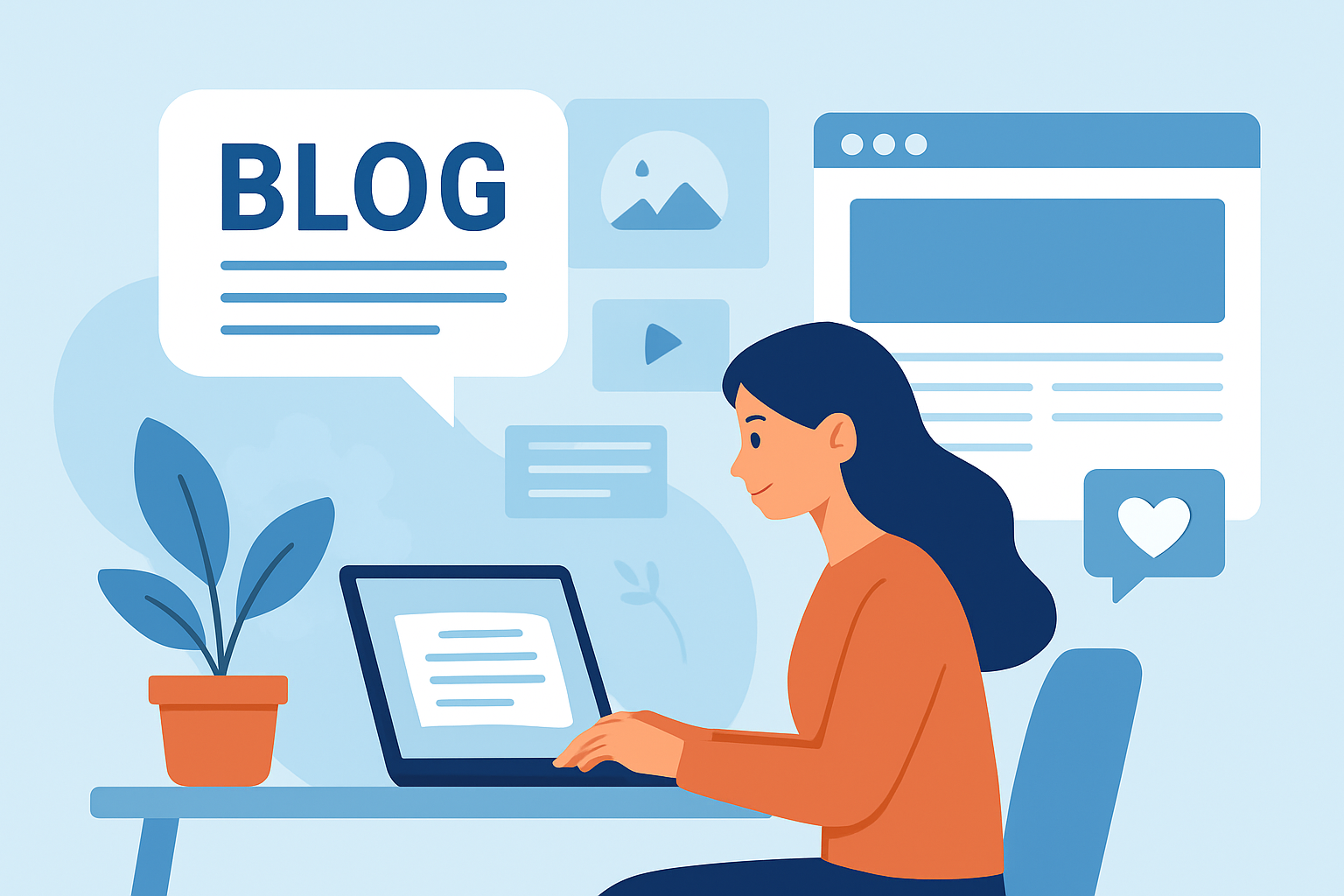
Blog marketing has come a long way from its simple beginnings. What started as an online space for personal stories has evolved into one of the most effective ways for brands to build visibility, connect with audiences, and drive long-term growth. Today’s blogs cover every industry you can imagine—business, technology, food, politics, lifestyle, and more—making them powerful platforms for reaching the right people with the right message.
As blogging gained traction, entrepreneurs realized it could be more than a digital journal. It became a strategic marketing engine—one that helps businesses publish valuable content, establish authority, and naturally attract customers. Tools like the Dealer tool support partners with innovative solutions that make blog marketing more effective and scalable.
Whether you’re just starting or looking to upgrade your approach, understanding the structure and benefits of blog marketing is the first step toward using it effectively.
Blog marketing involves using a blog to reach your brand’s target audience through helpful, relevant, and engaging content. Years ago, business owners typically kept blogs and websites separate. Now, platforms like WordPress make it easy to integrate both—giving brands a cohesive digital home where website content and blog posts work hand-in-hand.
Because blogging tools have become more intuitive, many people have even built entire businesses around their blogs. Instead of creating a business first, they started with content, developed an audience, and then built products or services around that following.
Today, blog marketing is one of the most accessible ways to build authority and visibility online, whether you’re a freelancer, small business owner, reseller, or growing company.
Strong blog marketing can influence nearly every part of your digital presence. From SEO gains to customer trust, the advantages compound over time—especially when you publish consistently.
Most blogging platforms are designed with simplicity in mind. If you can type, copy-paste, drag-and-drop, and upload an image, you can run a professional-looking blog. This makes it ideal for small business owners who want to maintain control without needing advanced technical skills.
Search engines prefer fresh, relevant content. When you consistently publish updated blog posts, you help search engines like Google understand your site better and index your content more often. This can improve your visibility over time and attract organic traffic that’s already looking for what you offer. Many brands combine blog marketing with broader digital strategies, similar to what’s covered in the digital marketing content on focused promotion and growth.
Blogs are perfect for sharing tips, updates, insights, and other helpful information that encourages repeat visits. When customers revisit your website, they’re naturally exposed to your latest offers and opportunities. Some business owners use content to introduce new services or provide updates, reflecting the themes seen in current marketing trends.
Modern customers want to buy from people they trust. A blog helps you:
When readers feel informed and supported, they’re more likely to purchase your products or services. This is similar to concepts discussed in posts about starting a reseller business, where authority and trust play crucial roles.
A well-structured blog can create additional income streams such as affiliate partnerships, sponsored content, display advertising, brand collaborations, and digital product sales. Even service-based businesses can increase revenue simply by growing their audience and improving visibility.
While social media offers quick interactions, blogs enable deeper conversations. People can leave questions, share feedback, and interact with your ideas in a more thoughtful way. This interaction gives you insight into what your audience cares about, helping you refine your strategy and offerings.
Publishing a blog takes minutes, but building a strategy that consistently attracts and converts readers takes planning. A clear blog marketing framework prevents guesswork and ensures your efforts support long-term growth.
Before publishing your first post, decide what your blog will focus on. Ask yourself:
Your content plan should outline primary categories and the topics you’ll cover under each. This gives readers a consistent experience while helping search engines understand your blog’s focus.
Choose a content management system (CMS) that fits your needs. WordPress remains popular for its flexibility and plugins.
When customizing your blog:
If you’re using a free platform, point your custom domain to your blog so customers can easily find you and trust your brand.
Visitors rarely trust a blog with only one or two posts. Aim to publish at least ten high-quality articles early on, then continue adding fresh content on a regular schedule—whether weekly, bi-weekly, or monthly. Quality content becomes your brand’s foundation and helps you build trust quickly.
Email remains one of the strongest marketing channels. Encourage readers to subscribe at the end of posts, through well-placed sign-up boxes, and using subtle calls-to-action. This gives you direct access to your audience and reduces dependence on social media algorithms. With email, you can share new posts, offers, updates, and product launches—keeping your audience engaged.
Blogs thrive on interaction. Readers want to feel heard and valued, and responding to comments is an easy way to build relationships. Moderate spam, answer questions, and thank readers for their insights. Over time, this strengthens your community and keeps people engaged.
A blog shouldn’t exist in isolation. Share posts on Facebook, Instagram, LinkedIn, in email newsletters, and in business profiles. Add your blog link to marketing materials, email signatures, and your website footer. Integrating social channels with your blog can automatically push new posts to followers, helping you stay visible without extra effort.
If you want practical content frameworks for early-stage creators, the post on content strategies has actionable ideas that pair well with ongoing blog promotion.
Successful blog marketing requires consistency, strategy, and ongoing improvement. Here are ways to ensure steady growth.
Your blog should evolve as your industry evolves. Refresh older posts with new information and adapt your strategy when you see shifts in customer interests.
Use analytics tools to understand which posts bring the most traffic, what keywords people use to find you, which pages encourage conversions, and how long readers stay on your site. This data helps you refine content and improve performance over time.
Not all content performs equally. Prioritize posts that align with customer needs, pain points, and buying behaviors. When you write content that answers real questions, you naturally attract more readers and build authority.
Blog marketing remains one of the most powerful and cost-efficient ways to build an online presence. It helps you reach your audience, build credibility, increase conversions, and expand your brand influence. With a strategic approach—supported by consistent publishing, strong SEO practices, engaging content, and tools like the Dealer tool—your blog can become a long-term asset that strengthens your visibility and supports business growth.

How to Verify a Telecom Dealer Before You Partner
Mar 27, 2026
How to Run a Successful Franchise Without Guesswork
Mar 20, 2026

Fix WiFi Sign-In Issues on Android (2026 Guide)
Mar 18, 2026
Equipment Loans: Smart Funding or Costly Mistake?
Mar 17, 2026

5G / 6G: What Dealers Must Prepare For
Mar 16, 2026

4
Mar, 2026
HOME SECURITY
Marketing your business online is no longer optional—it’s a fundamental part of modern growth. Whether...
20
Feb, 2026
HOME SECURITY
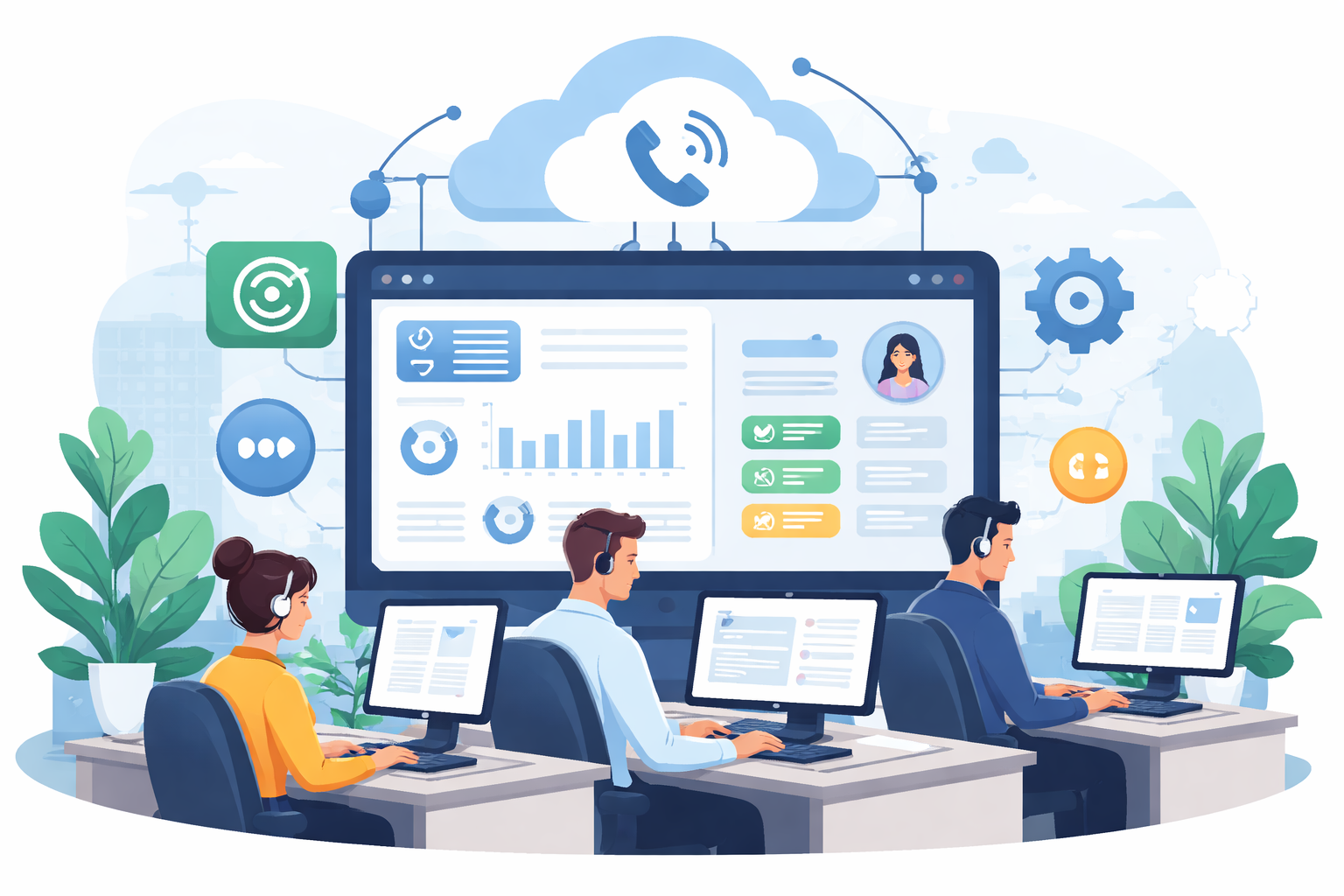
In an increasingly competitive business environment, companies are under constant pressure to operate more efficiently...
18
Feb, 2026
HOME SECURITY
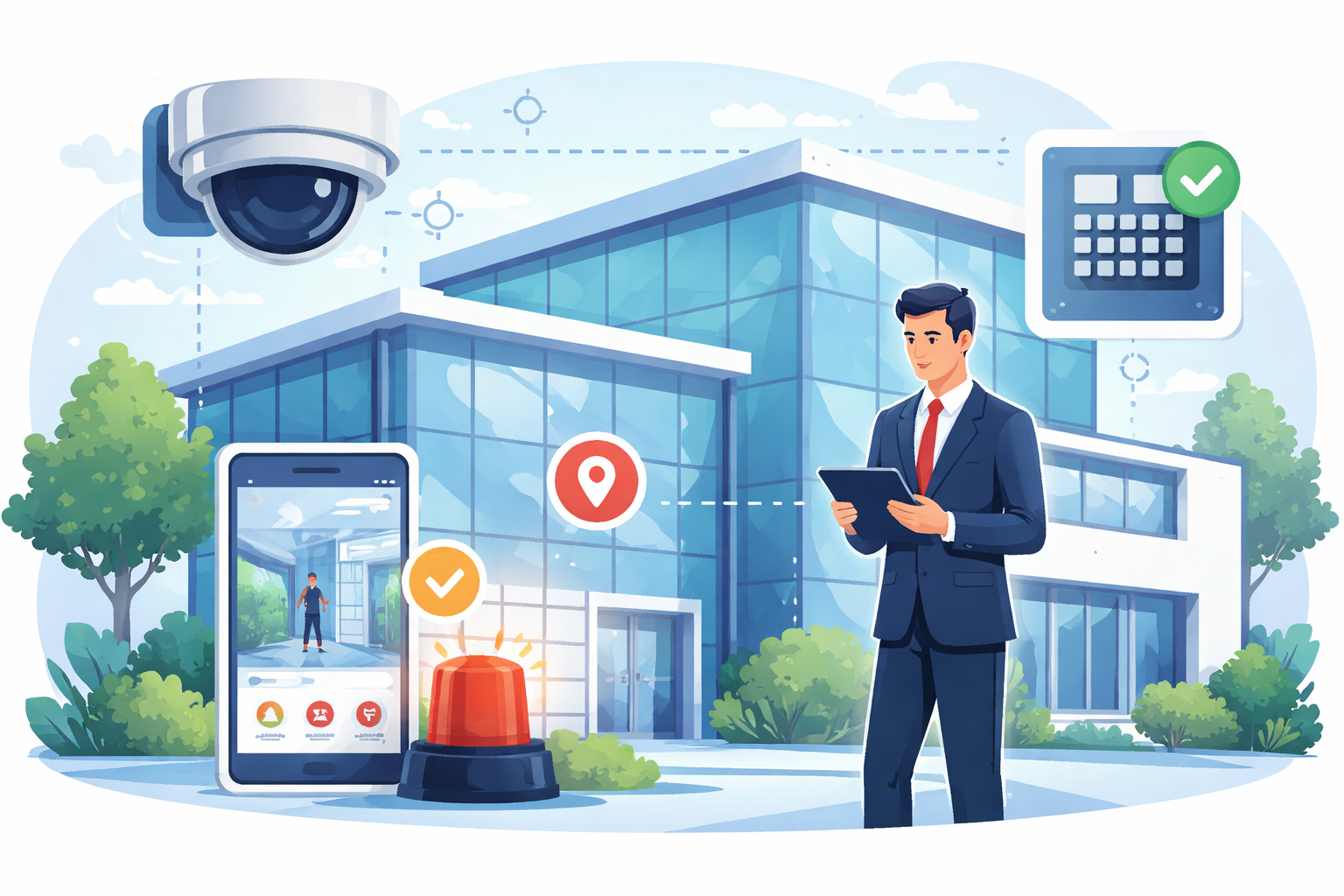
Business security has moved far beyond traditional alarm systems and basic CCTV cameras. Today’s smart...