BUY PHONES IN BULK
Bulk Phones: Smart Things to Know Before You Place a Large Order
Bulk buying smartphones has become a practical strategy for retailers, resellers, organizations, and teams that...
Learn More


 February 13, 2026
If you’re using a prepaid mobile plan, you already know how quickly data can disappear. A few minutes of streaming, background app syncing, or auto-playing videos can wipe out your balance before the day even starts. For many users, managing data usage isn’t just about convenience — it’s about staying connected without constantly reloading or buying extra data packs.
The good news is that modern smartphones are packed with apps designed to work offline. From navigation and music to productivity and entertainment, you can still use your phone efficiently without needing constant internet access. If you plan downloads strategically while connected to WiFi, you can dramatically reduce mobile data consumption.
Offline apps are especially valuable for commuters, travelers, students, and prepaid users who want predictable costs and reliable phone performance. If you’re exploring options to maximize value from your mobile setup, understanding how offline apps work alongside your mobile strategy is just as important as choosing the right prepaid dealer structure.
Below is a detailed breakdown of the best offline apps available today and how they help you stay productive, entertained, and connected without draining your data balance.
Modern apps are data-hungry by design. Auto-syncing photos, background app refresh, push notifications, and video-heavy feeds all consume data even when you’re not actively using your phone.
Offline apps give you control. You decide what downloads and when.
Offline apps typically reduce background activity, which can extend battery life. Less network searching means less power consumption.
Offline functionality is critical when you’re:
Navigation is one of the biggest hidden data users. Constant GPS tracking combined with real-time traffic updates can consume data quickly.
Google Maps allows you to download entire regions or cities for offline navigation.
Offline Features Include:
How to Prepare Offline Maps
Best Use Cases
Offline maps ensure you never get lost because of signal loss.
Streaming music constantly can consume hundreds of MB daily. Spotify Premium allows full playlist downloads.
Benefits
Optimization Tip
Download playlists overnight while on WiFi. Avoid downloading over mobile data unless necessary.
Pocket is one of the most underrated data-saving apps available. It lets you save articles, blogs, and videos for offline viewing.
Why It’s Powerful
This is perfect for users who read during commutes or downtime without wanting background app refresh to consume data.
Language packs can be downloaded for offline use, including text translation and camera translation.
Real-World Uses
Download languages before traveling to avoid roaming data costs.
Evernote allows note-taking and editing without internet. Changes sync automatically once reconnected.
Notion’s offline support lets you:
Ideal For
True offline games provide entertainment without data use.
Top Offline Games
Important Note
Some “offline” games still load ads when internet is available. Enable airplane mode for true offline play.
Video streaming is the fastest way to drain data. Offline downloads solve this.
Advantages
Budget Alternative
Download videos via WiFi using media players like VLC for offline viewing.
Once books are downloaded, Kindle requires zero data for reading.
These apps are ideal for students, professionals, and casual readers.
Apps like Merriam-Webster allow offline word lookup.
Download lessons to continue language learning without internet access.
This is extremely useful for commuters and travelers.
Save stories for later reading.
Curate topics and download content for offline browsing.
This lets you stay informed without constant background refreshing.
Many apps consume data silently. Offline usage stops hidden data drain.
You decide when downloads happen, usually during WiFi sessions.
By saving data daily, you ensure availability when you truly need it.
Using offline apps is only half the strategy. Pairing them with the right mobile structure ensures maximum value.
Understanding distribution models, activation flows, and mobile plan structures can help users and businesses optimize prepaid ecosystems. For example, learning how the mobile supply chain works through a reliable prepaid dealer network can give deeper insight into how prepaid services reach end users efficiently.
This matters not just for businesses, but also for consumers who want better plan availability and competitive pricing.
Download:
Prevents silent data consumption.
Stops accidental streaming.
Track which apps still use background data.
Offline functionality is becoming a major design focus. As mobile costs rise globally, app developers are prioritizing:
Expect more apps to offer offline-first experiences in the coming years.
Offline apps are one of the easiest and most effective ways to extend prepaid data usage. They allow you to control costs, improve reliability, and maintain productivity without sacrificing smartphone functionality.
By planning downloads during WiFi access and using offline-capable apps daily, prepaid users can stretch their data significantly while still enjoying modern mobile features.
Offline capability is no longer just a backup option — it’s becoming a primary strategy for smart mobile usage.

How to Verify a Telecom Dealer Before You Partner
Mar 27, 2026
How to Run a Successful Franchise Without Guesswork
Mar 20, 2026
Fix WiFi Sign-In Issues on Android (2026 Guide)
Mar 18, 2026
Equipment Loans: Smart Funding or Costly Mistake?
Mar 17, 2026

5G / 6G: What Dealers Must Prepare For
Mar 16, 2026

26
Jan, 2026
BUY PHONES IN BULK
Bulk buying smartphones has become a practical strategy for retailers, resellers, organizations, and teams that...
7
Apr, 2025
DEALER
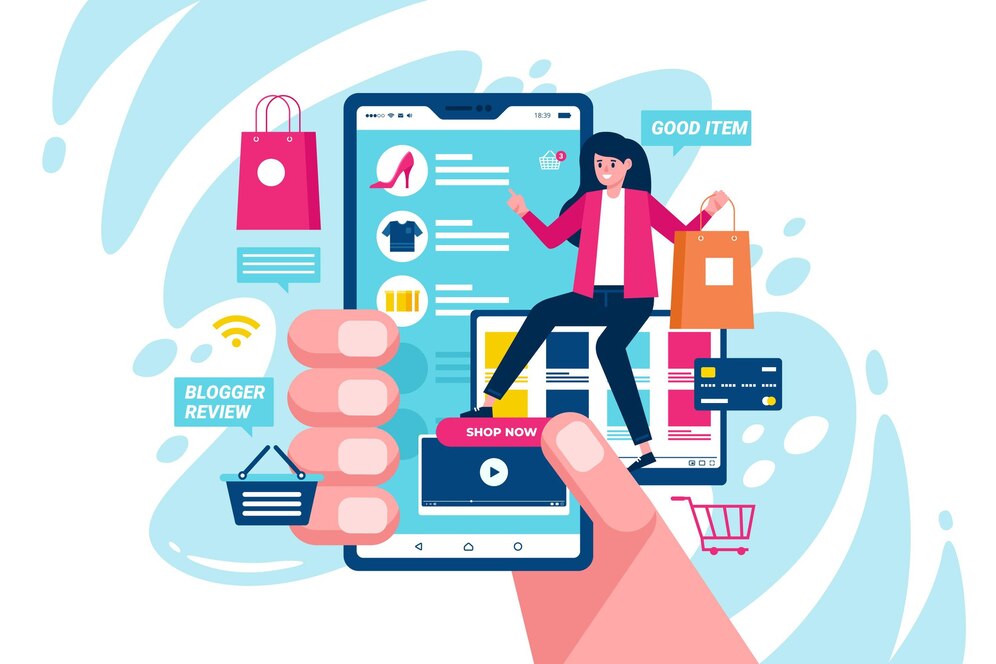
Mobile commerce (m-commerce) isn’t just the future — it’s happening right now. If you're a...
3
Oct, 2024
BUSINESS IDEAS
JNA Mobility Products empower individuals by offering more than just mobility solutions—they give people the...